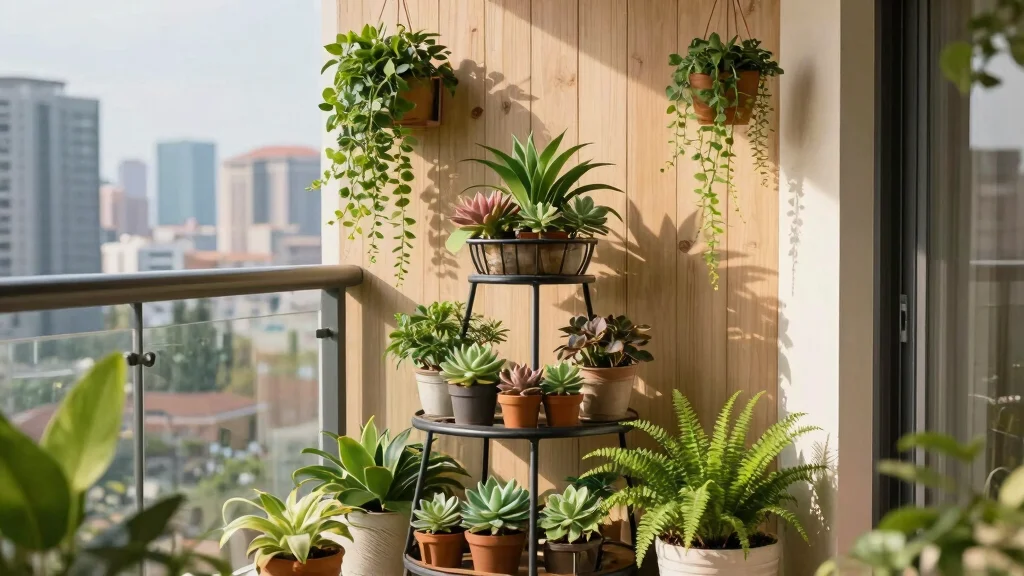
If you’ve ever found yourself dreaming of a lush, green sanctuary but felt limited by the small size of your space, you’re not alone. Urban living often means sacrificing gardening dreams for practicality. But this post is here to change that! It’s time to embrace the vertical world of plant stands that allow your greenery to flourish without taking over your floors or tables.
Whether you’re a city dweller with a tiny balcony or someone looking to spruce up indoor corners, this guide is for you. You’ll discover creative vertical plant stand ideas that fit perfectly into any snug nook. From tiered wooden stands to wall-mounted planters, these solutions are designed to maximize your vertical space while showcasing your favorite plants.
Get ready to explore twelve inspiring ideas that are not only stylish but also practical for space-saving gardening. Each suggestion comes with its unique flair and function, making it easier than ever to enjoy a colorful, thriving garden in tight spaces. By the end of this post, you’ll be equipped with all the inspiration you need to elevate your urban gardening game!
Key Takeaways
– Explore a variety of vertical plant stands that save space and enhance your decor.
– Discover tiered wooden stands, wall-mounted planters, and more to fit any small area.
– Learn how to use rolling plant carts and adjustable shelves for added convenience.
– Find out about DIY options like vertical plant walls to personalize your space.
– Embrace the beauty of vertical gardening solutions that transform your living area into a green oasis.
1. Tiered Wooden Plant Stand
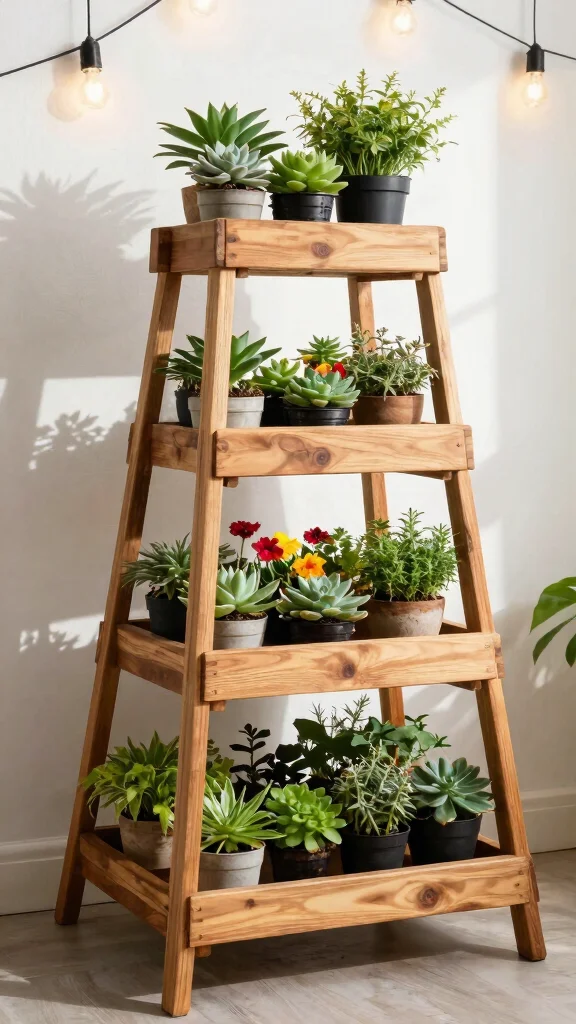
A tiered wooden plant stand introduces a cozy, rustic vibe to any compact space. This delightful arrangement allows you to display a variety of plants, from colorful blooms to rich greens, on multiple levels, creating a visually appealing focal point in your home. The natural wood beautifully complements the greenery, making your indoor garden feel organic and welcoming. You can select a two-tier stand for smaller areas or go for a five-tier option for a more expansive display.
To make the most of this setup, consider using lightweight pots to avoid overwhelming the stand. Group plants that share similar watering and light requirements to ensure healthy growth. Maintaining the stand is a breeze; simply wipe it down regularly to keep it looking fresh! You can even mix in some herbs to craft a charming edible garden aesthetic that’s both functional and lovely.
Consider these tips to enhance your tiered stand:
– Pair vibrant flowers with lush greens for contrast.
– Install the stand near a sunny window for optimal light.
– Use decorative pots to add personality and flair.
This approach not only adds charm but also elevates the overall design of your space, with varying textures and natural materials that enhance the visual appeal.
Fun fact: a two-tier vertical plant stand can fit 6–8 small pots in the footprint of a single shelf, boosting greenery without crowding tight balconies. Go for a three- to five-tier setup to transform narrow spaces into a lush focal point.
2. Wall-Mounted Planters
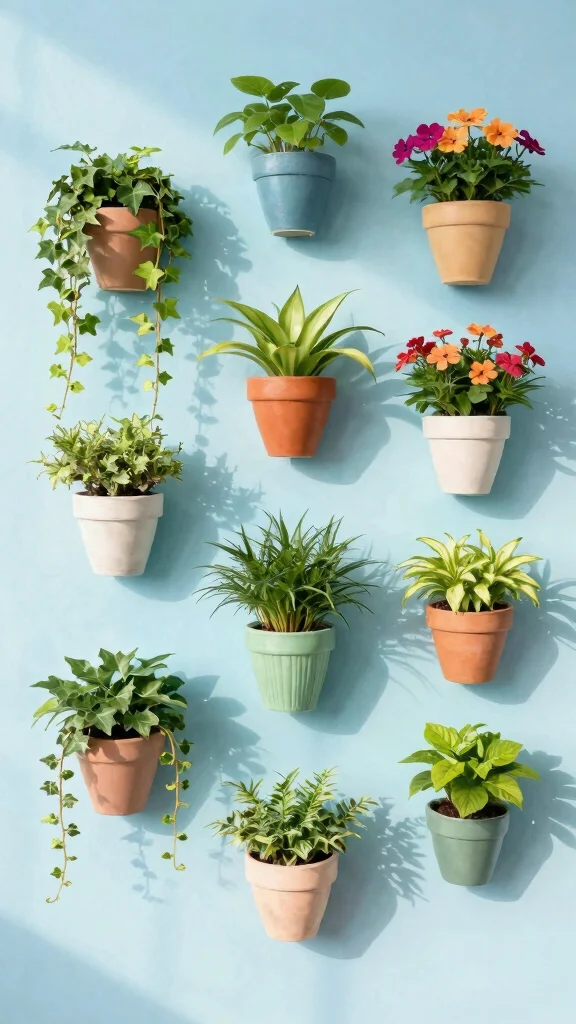
Wall-mounted planters are a brilliant solution for maximizing vertical space in smaller areas. These chic planters transform bare walls into vibrant green displays, providing a stunning backdrop for your favorite plants. Available in numerous styles, from sleek metal frames to bohemian woven designs, they cater to various personal aesthetics, allowing you to express your unique style.
Mix and match different styles to create an eclectic feel or choose uniform designs for a more cohesive look. Trailing plants like pothos or ivy thrive in these planters, adding dynamic movement to your walls.
Here are some key tips for using wall-mounted planters:
– Pair different planter styles for a layered effect.
– Install planters at varying heights for visual interest.
– Use lightweight, trailing plants to enhance the cascading effect.
This creative approach not only saves valuable floor space but also adds a lively touch to your decor, with vibrant greenery that uplifts the atmosphere.
3. Ladder Plant Stand
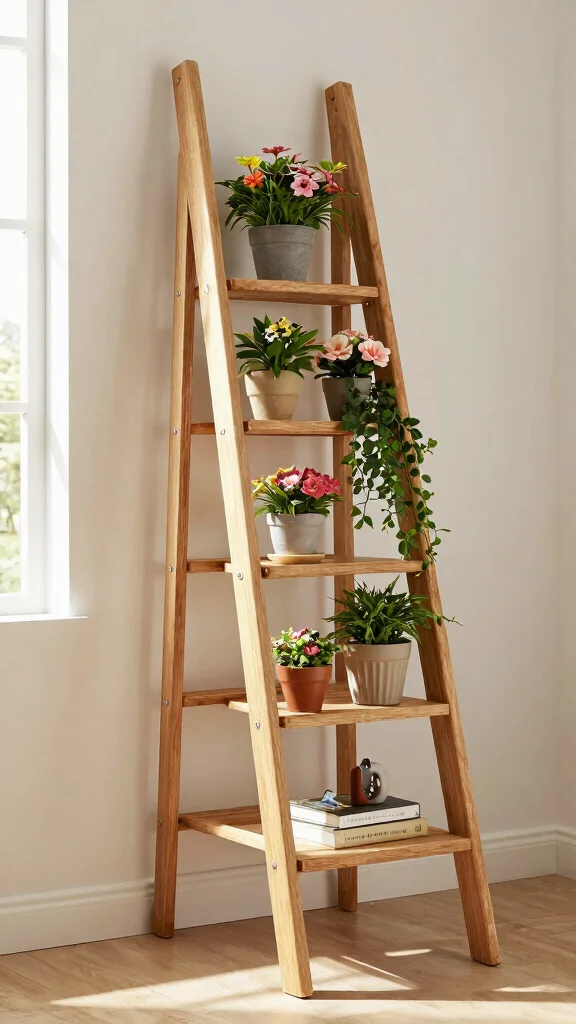
A ladder plant stand offers a trendy and modern take on vertical gardening. Picture a stylish ladder leaning against your wall, adorned with your favorite plants on each step. This unique design not only saves space but also provides a fun way to showcase your greenery creatively. You can easily make one from reclaimed wood for a rustic touch or purchase a sleek version that fits your style.
Using separate pots on each rung allows you to arrange plants at different heights, ensuring a stunning visual display. This versatility is perfect for any decor style, whether modern or farmhouse.
Maximize your ladder stand with these tips:
– Use pots with drainage holes to prevent water buildup.
– Incorporate seasonal plants for a changing display throughout the year.
– Position the stand in a well-lit area for optimal growth.
This innovative approach enhances your decor while showcasing a variety of textures and colors, adding depth and interest to your space.
4. Hanging Plant Tiers
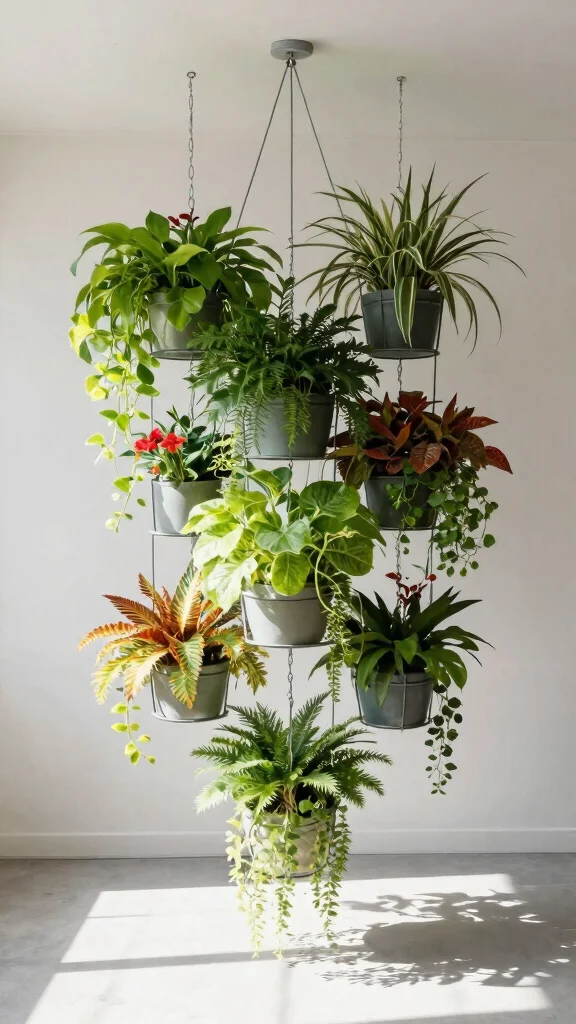
Hanging plant tiers are an excellent way to elevate your greenery while keeping your floors clear. These multi-leveled fixtures allow plants to cascade beautifully, creating an eye-catching display in both indoor and outdoor settings. Opt for vibrant plants that will drape elegantly from each tier, adding a dynamic touch to your space.
Constructed from durable metal or sturdy fabric, these stands can hold multiple pots, making them a practical choice for plant lovers. They come in various shapes, such as circular or geometric, suiting different decor styles perfectly.
Here’s how to make the most of hanging plant tiers:
– Choose lightweight pots to prevent strain on the structure.
– Ensure the hanging mechanism can support the weight securely.
– Water carefully, as drainage may differ from traditional pots.
This approach not only saves space but also creates a visually striking feature that brings life and energy into your home.
5. Vertical Garden Pocket Planters
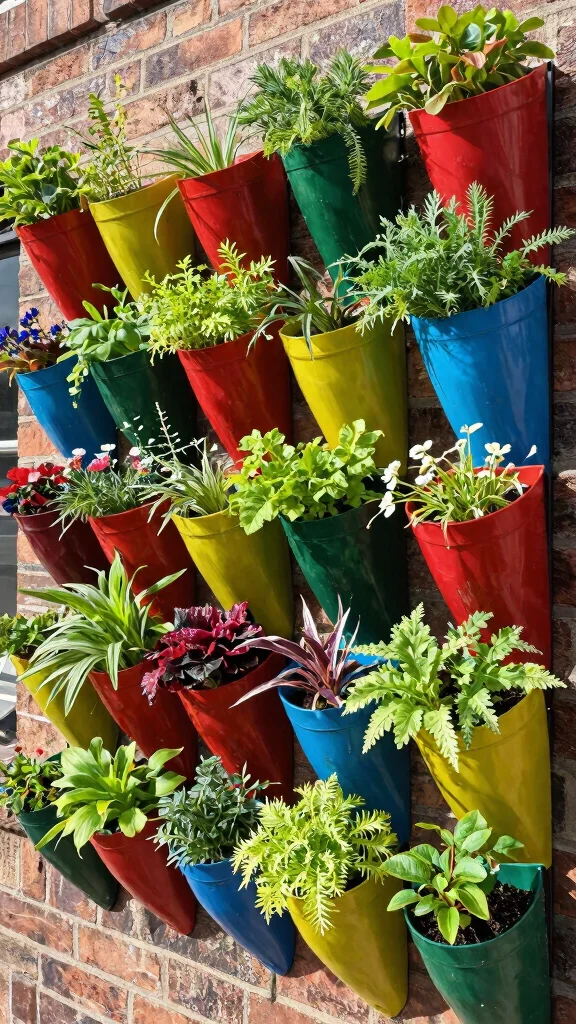
Vertical garden pocket planters are an inspiring solution for urban gardening and small spaces. These fabric or felt pockets attach to walls or fences, offering a fresh way to cultivate herbs, flowers, or even small veggies. They provide excellent drainage and airflow, essential for healthy plant growth.
Available in various sizes and colors, you can easily choose a style that complements your space. These planters work wonderfully in kitchens, balconies, or as decorative accents indoors, adding a touch of greenery wherever you place them.
Consider these tips for using vertical garden pocket planters:
– Regularly check moisture levels, as fabric can dry out quickly.
– Position them in a spot that receives adequate sunlight.
– Rotate plants seasonally for a vibrant and diverse display.
This approach not only utilizes vertical space but also enhances the visual appeal with a lush, living tapestry of colors and textures.
Key Trade-offs & Our Top Pick
Option Comparison
1. Tiered Wooden Plant Stand
– Pros:
– Offers multiple levels for plants, maximizing vertical space.
– Made from natural materials, adding warmth to indoor decor.
– Cons:
– Can be heavy and difficult to move once assembled.
– May require regular maintenance to prevent wear.
– Best for: Those looking to display a variety of plants indoors without taking up too much floor space.
2. Wall-Mounted Planters
– Pros:
– Frees up floor space entirely by utilizing walls.
– Can be customized to fit any wall size or shape.
– Cons:
– Installation can be tricky and may require tools.
– Not suitable for heavy or large plants.
– Best for: Urban dwellers with limited floor space who want a stylish garden feature.
3. Ladder Plant Stand
– Pros:
– Provides a unique, stylish way to display plants.
– Usually lightweight and easy to rearrange.
– Cons:
– Limited vertical space compared to tiered options.
– May not hold larger pots securely.
– Best for: Casual gardeners who want a decorative, flexible option for a few plants.
4. Vertical Garden Pocket Planters
– Pros:
– Perfect for growing herbs and smaller plants in a confined area.
– Easy to water and maintain.
– Cons:
– Limited soil volume can affect plant health.
– May require frequent watering in warm weather.
– Best for: Small-space gardeners wanting to grow edibles like herbs or succulents.
5. Vertical Hydroponic Systems
– Pros:
– No soil means less mess and fewer pests.
– Can yield faster plant growth due to optimized nutrient delivery.
– Cons:
– Initial investment can be high.
– Requires monitoring and maintenance of the water system.
– Best for: Serious gardeners who want to maximize yield in very limited spaces.
Expert Recommendation:
Best Overall: Wall-Mounted Planters
Wall-mounted planters stand out as the best option for most people. They are versatile, allowing you to customize your arrangement to fit your available wall space. You save floor space while enjoying an attractive display of greenery. Plus, they tend to be durable and can hold various small plants. For those who want a stylish solution without sacrificing living area, this is the way to go!
Why We Picked This:
While wall-mounted planters are ideal for most, you may prefer other options. If you want a more traditional look, the tiered wooden plant stand is appealing. For the avid gardener, vertical hydroponic systems provide advanced growth methods. Assess your space, style, and specific gardening needs to find the perfect fit!
6. Rolling Plant Carts
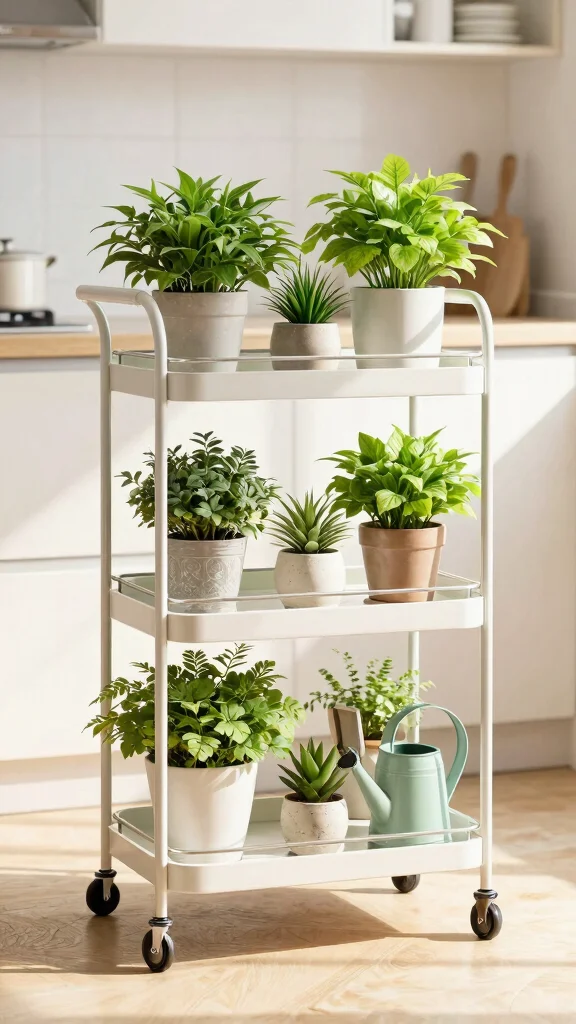
For a blend of mobility and vertical gardening, a rolling plant cart is an ideal solution. Imagine a charming cart filled with various pots, all easily accessible and within reach. This setup is particularly useful for those who enjoy rearranging their plants to catch the best sunlight or simply freshen up their space.
Select a multi-tiered cart that maximizes space while retaining a compact form. You might also consider adorning it with fairy lights or small garden accessories for added charm.
Make the most of your rolling plant cart with these suggestions:
– Rotate plants regularly to ensure they all get light.
– Add shading solutions if using outdoors during hot days.
– Use locking wheels for stability, especially in homes with kids or pets.
This versatile approach not only maximizes vertical space but also brings a playful, mobile element to your plant display.
Fun fact: a rolling plant cart with three tiers turns a tiny balcony into a vertical plant stand, adding about 50–60 cm of usable height. Mobility means you rearrange for sun and shade in seconds.
7. Window Box Planters
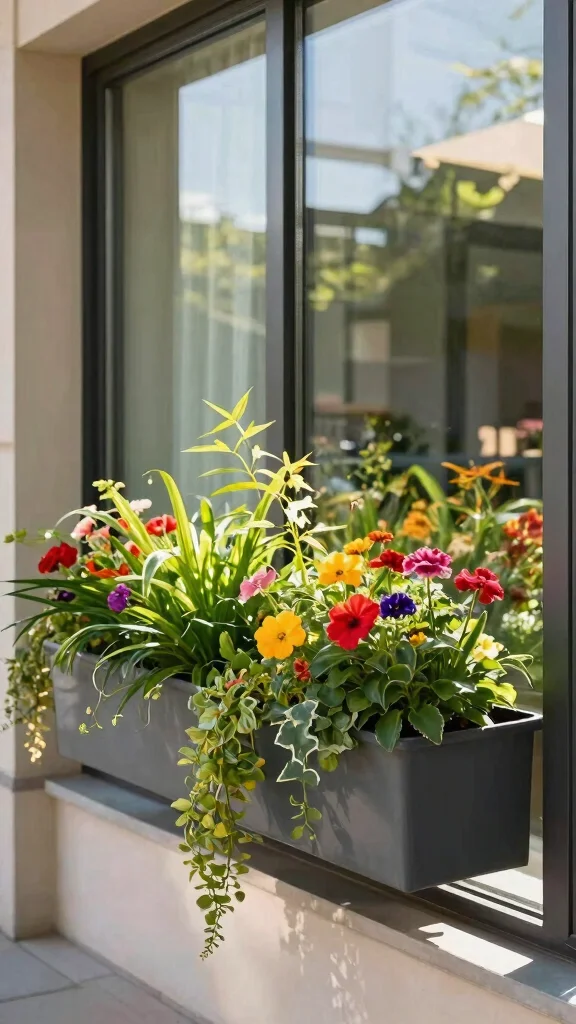
Window box planters are a delightful way to introduce greenery without sacrificing floor space. These long, narrow planters can hang from your balcony railing or sit just outside your window, perfect for growing herbs, flowers, or small vegetables. They create a charming vertical garden effect right at your doorstep.
Choose from classic wooden designs or contemporary metal styles for a unique touch. They’re also easy to maintain and water, making them a practical choice for busy plant lovers.
To enhance your window box planters, consider these ideas:
– Ensure proper drainage to prevent overwatering.
– Rotate plants seasonally for a fresh look.
– Use self-watering containers for added convenience.
This approach not only keeps your plants at eye level but also dramatically enhances your home’s curb appeal with vibrant, living decor.
8. Over-the-Door Plant Hangers
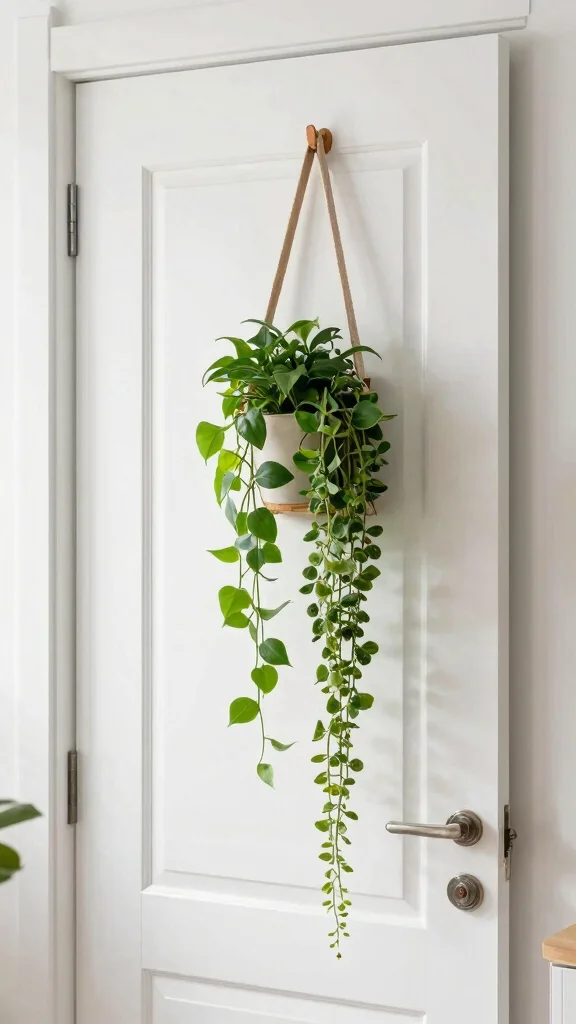
Over-the-door plant hangers offer a clever way to utilize vertical space without damaging your walls. These hangers easily slip over any door, creating a perfect spot for trailing plants or small pots. They provide a lovely display while keeping your floors free of clutter.
Ideal for indoor areas like kitchens or bathrooms, these hangers brighten up otherwise overlooked corners. They come in various styles, from chic metal options to playful macramé designs, allowing you to infuse personality into your decor.
Consider these tips for using over-the-door hangers:
– Select lightweight plants to avoid stressing the door.
– Regularly check moisture levels, as hanging pots can dry out faster.
– Mix and match styles for a fun and eclectic indoor vibe.
This innovative approach not only maximizes vertical space but also brings a touch of nature into your home without any permanent alterations.
9. Adjustable Plant Shelves
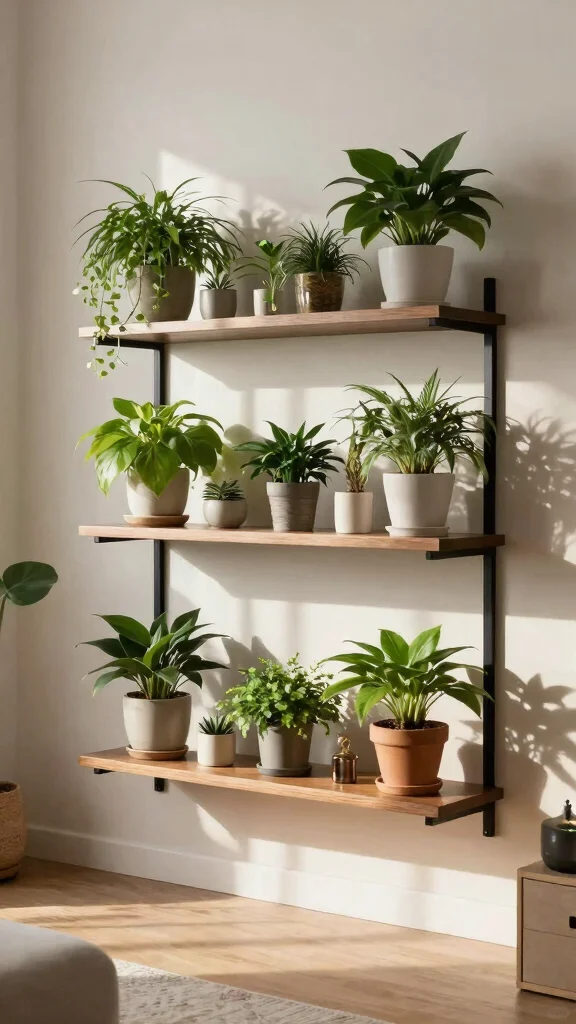
Adjustable plant shelves are a brilliant way to curate a customized vertical garden in tight spaces. These versatile shelves let you change the height of your displays, so you can rearrange plants as they grow. This flexibility is especially beneficial for urban gardeners looking to go vertical!
Typically crafted from wood or metal, adjustable shelves can fit snugly into corners or along walls. They allow you to showcase larger plants at the bottom and smaller ones on top for a visually appealing staggered arrangement.
To maximize your adjustable plant shelves, consider these suggestions:
– Group plants based on their light and water needs for optimal health.
– Add decorative items or artwork to personalize your display.
– Secure the unit if it’s tall to prevent tipping.
This approach not only enhances your home’s aesthetics but also offers a practical solution for showcasing a variety of plants in style.
10. Vertical Hydroponic Systems
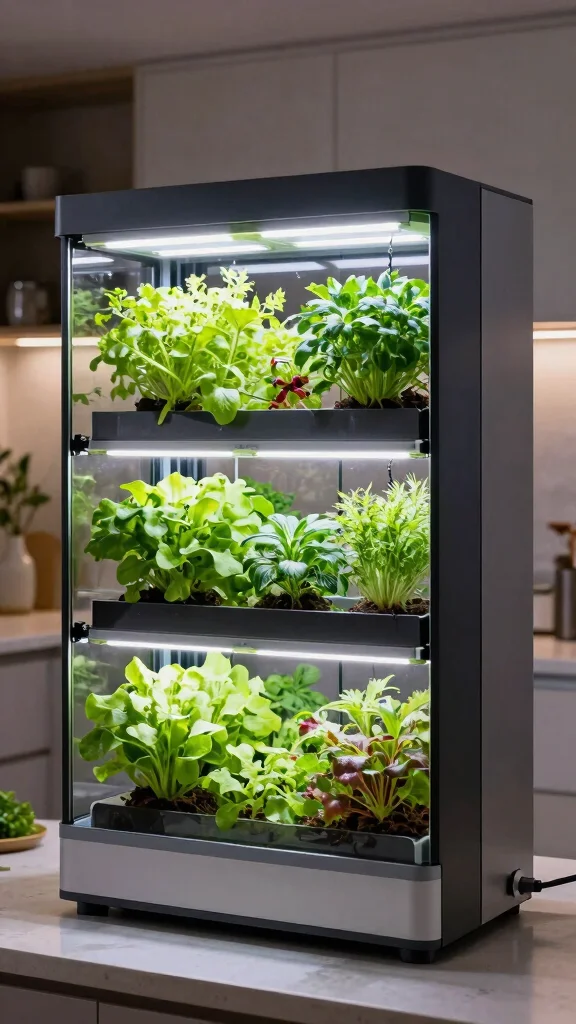
For those who embrace modern gardening techniques, vertical hydroponic systems present an innovative way to cultivate plants in small spaces. These systems use water and nutrient-rich solutions, eliminating the need for soil and saving valuable space. With a vertical design, they can produce up to ten times more yield than traditional gardening methods!
Hydroponic systems can grow a range of plants, from fresh herbs to leafy greens, and they typically use less water than soil-based methods. This eco-friendly option is perfect for sustainability enthusiasts.
Here are some tips for maintaining your vertical hydroponic systems:
– Monitor water levels and nutrient balance for healthy growth.
– Start with easy-to-grow plants like lettuce or herbs.
– Regularly check for pests or algae growth to maintain a healthy ecosystem.
This cutting-edge approach not only maximizes vertical space but also offers an efficient and modern way to enjoy gardening.
11. Multi-functional Furniture with Plant Space
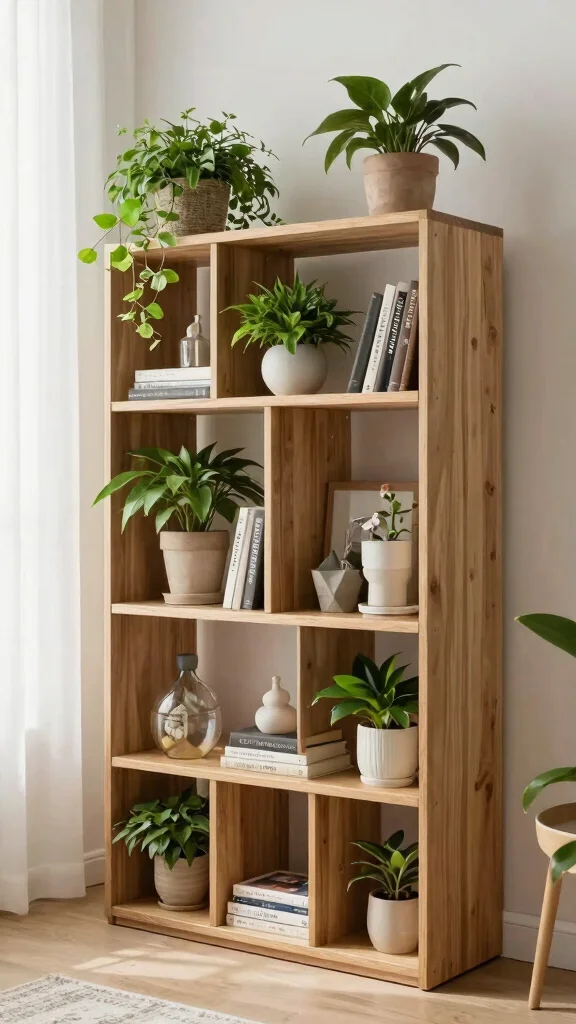
Incorporating plants into your furniture design is a brilliant way to maximize vertical space creatively. Think of bookshelves or entertainment units featuring built-in plant sections. This multi-functional approach seamlessly blends style with gardening, making it a perfect fit for modern urban living!
Whether it’s a coffee table with a small planter or a shelf with dedicated plant spaces, these pieces create a harmonious environment that beautifully showcases your greenery. It’s a practical solution for those looking to bring nature indoors without compromising functionality.
To make the most of your multi-functional furniture, keep these tips in mind:
– Pay attention to the light conditions around the furniture to ensure plant health.
– Opt for low-maintenance plants for areas with less light.
– Regularly dust both the furniture and plants to maintain a clean appearance.
This clever integration enhances your decor while creating a vibrant, living atmosphere in your home.
Multi-functional furniture with built-in plant space turns tight balconies into lush living spaces. Think coffee tables with small planters or shelves with dedicated plant sections—your vertical plant stand becomes a centerpiece without sacrificing style.
12. DIY Vertical Plant Wall
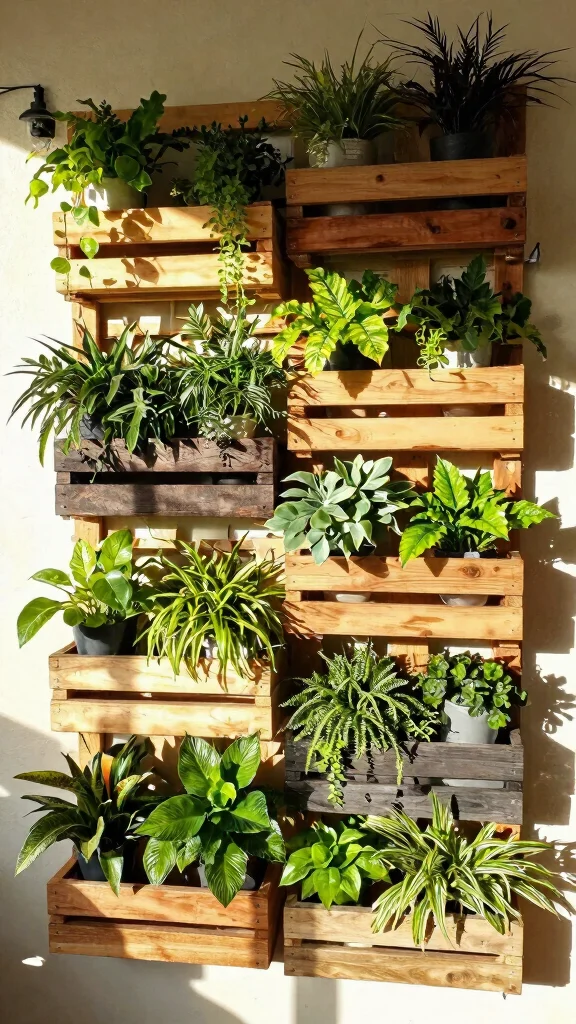
Creating a DIY vertical plant wall can be one of the most fulfilling projects for urban gardeners. Using materials like wooden pallets or pegboards, you can design your own vertical garden, allowing for endless customization to suit your personal style.
Mix various plants to fill your wall, combining different colors and textures for a striking display. A vertical wall not only conserves space but also transforms an ordinary wall into a stunning living art piece.
Consider these tips when crafting your DIY vertical plant wall:
– Ensure your structure is secure and can support the chosen plants.
– Opt for plants that thrive in your climate for best results.
– Consider drip irrigation for easier maintenance.
This project enhances your space with a unique aesthetic and a vibrant showcase of nature.
Conclusion
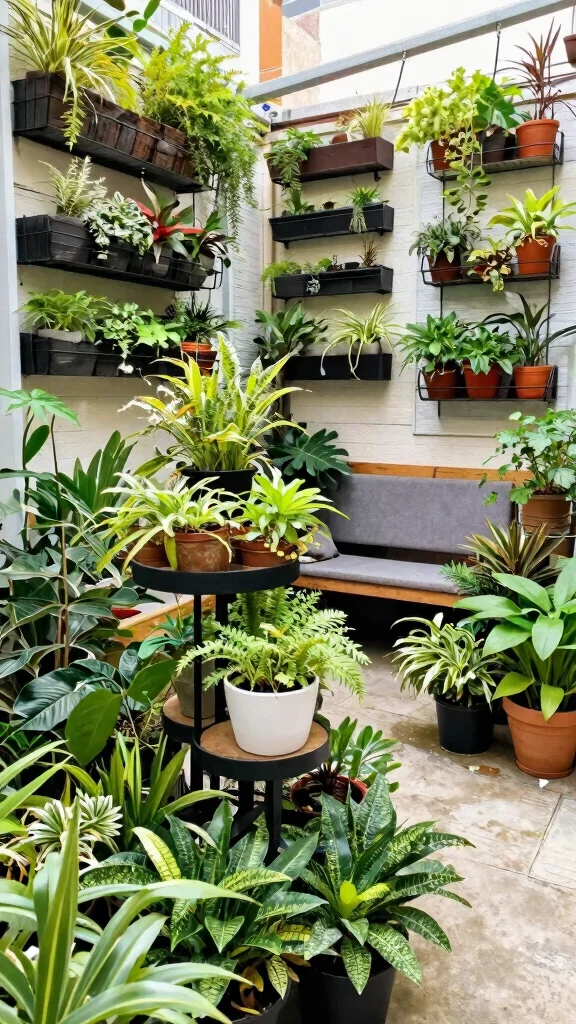
Embracing vertical gardening solutions is a wonderful way to bring nature into your urban lifestyle while making the most of your limited space. From tiered stands to wall-mounted pockets, there are creative options for every style and space. Whether you’re growing herbs in your kitchen or showcasing flowers on your balcony, these vertical plant stand ideas will help you cultivate a lush sanctuary anywhere!
Explore these ideas and start your vertical garden journey today; your green thumb will thank you!
Note: We aim to provide accurate product links, but some may occasionally expire or become unavailable. If this happens, please search directly on Amazon for the product or a suitable alternative.
This post contains Amazon affiliate links, meaning we may earn a small commission if you purchase through our links, at no extra cost to you.
Frequently Asked Questions
What exactly is a vertical plant stand and how can it transform a small balcony?
A vertical plant stand is a system that stacks or suspends plants upward rather than outward. On a tight balcony, it frees floor space and increases your growing area.
Embrace space-saving gardening by choosing a tiered or wall-mounted design to maximize vertical space. For small space plants, plan layers by sun and moisture; put sun-loving varieties on top and shade-tolerant ones below. Practical steps: measure available height, pick a style (tiered, wall-mounted, or pockets), check weight and drainage, secure mounting or anti-tip features, and select plants that fit your pots.
How do I choose the right vertical plant stand for tight spaces?
Start with footprint, weight capacity, and placement. For sunny balconies, a freestanding tower with a drip tray can be moved as needed; for windy or rented spaces, a wall-mounted setup is a safer vertical gardening solution and easier to remove later. Materials matter: powder-coated metal resists weather, while wood adds warmth but may need sealing. Consider drainage, pot size compatibility, and accessibility so you can water and prune without stepping on furniture. Your goal is a durable, low-maintenance indoor plant stands or outdoor version that fits your balcony’s dimensions while maximizing vertical space.
Which plants work best in vertical stands on small balconies?
Look for small space plants that are compact or trail well. Great options include pothos, philodendron, ivy, spider plant, herbs (basil, thyme, chives), compact lettuces and greens, and low-water succulents. Group plants by light: sun-loving on top shelves and shade-tolerant below. Use shallow pots for shallow staves and ensure proper drainage. For best results, rotate crops every few weeks to keep growth even and avoid overcrowding.
How can I install and maintain a vertical stand without damaging my balcony?
Start with a plan: weigh the stand with damp soil to ensure your balcony can hold it, and check weight limits. If mounting, locate studs or use heavy-duty anchors; for rental spaces, consider freestanding or hanging options with extra straps. Use a waterproof tray and liners to protect surfaces, and add anti-slip padding to trim vibrations. Regular maintenance includes cleaning rust-prone hardware, re-potting as needed, watering from the top to reduce mess, and rotating plants to ensure even light. This approach keeps your vertical gardening solutions safe and durable.
Are there budget-friendly DIY ideas to maximize vertical space quickly?
Absolutely. A few vertical gardening solutions that won’t break the bank include repurposed items: a hanging shoe organizer, ladder shelf, or stacked crates transformed into planters. Drill drainage holes and line with landscape fabric or plastic to prevent leaks, then fill with high-quality potting mix. If you’re handy, build a simple wooden tiered stand or pallet garden. These ideas are perfect for space-saving gardening and help you grow small space plants on a budget while maximizing vertical space.
Related Topics
vertical plant stand
space-saving gardening
urban gardening
small balcony plants
indoor plant stands
maximizing vertical space
DIY vertical garden
easy plant display
beginner gardening
tight spaces
vertical gardening solutions
modern plant decor