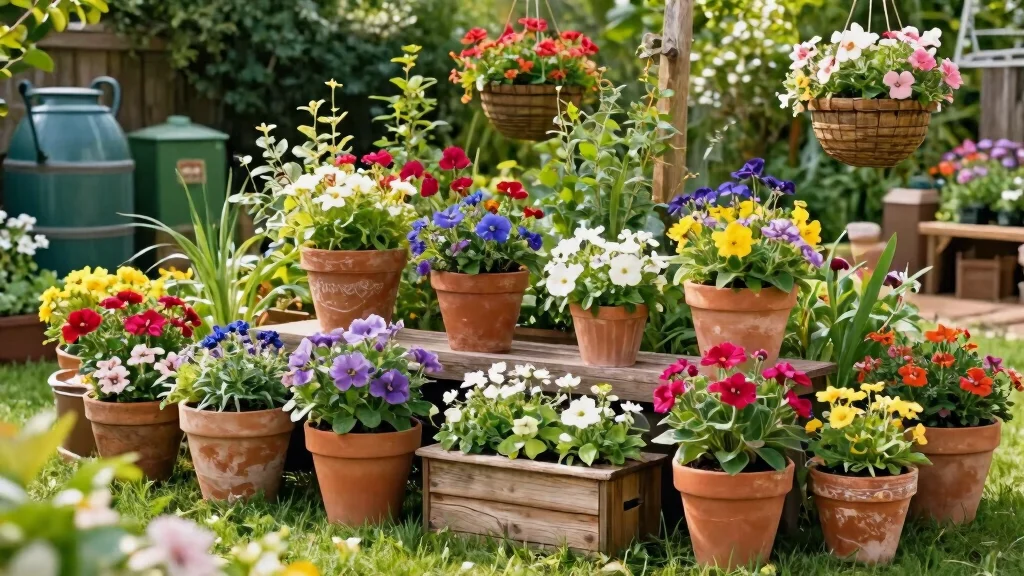
Gardening season has me yearning for ways to make my outdoor space feel more intentional. There’s something special about a garden that reflects care and creativity. Whether you’re nurturing a tiny patio or cultivating a sprawling backyard, the right outdoor flower pots and planters can transform your space from ordinary to extraordinary. If you’re someone who loves to bring beauty to your home and is passionate about eco-friendly practices, this post is tailored just for you.
I’ve pulled together 13 outdoor flower pot and planter ideas that are creative, sustainable, and ideal for making your garden feel more cohesive. From upcycled materials to vibrant colors, each idea adds a unique touch to your outdoor oasis. You’ll walk away with fresh inspiration that not only beautifies your garden but also aligns with your values of sustainability and mindfulness. Let’s dive in and bring your gardening dreams to life!
Key Takeaways
– Discover how to use upcycled materials, like wooden crates and vintage suitcases, for unique planter designs that tell a story.
– Learn about eco-friendly biodegradable planters and how they can contribute to sustainable gardening while reducing waste.
– Explore hanging vertical planters that maximize space and bring color to walls or fences, perfect for small gardens or patios.
– Enhance your gardening skills with DIY planter projects that let you express your creativity while being budget-friendly.
– Get inspired by creative flower pot arrangements that showcase different styles and colors to add life and personality to your garden space.
1. Upcycled Wooden Crates
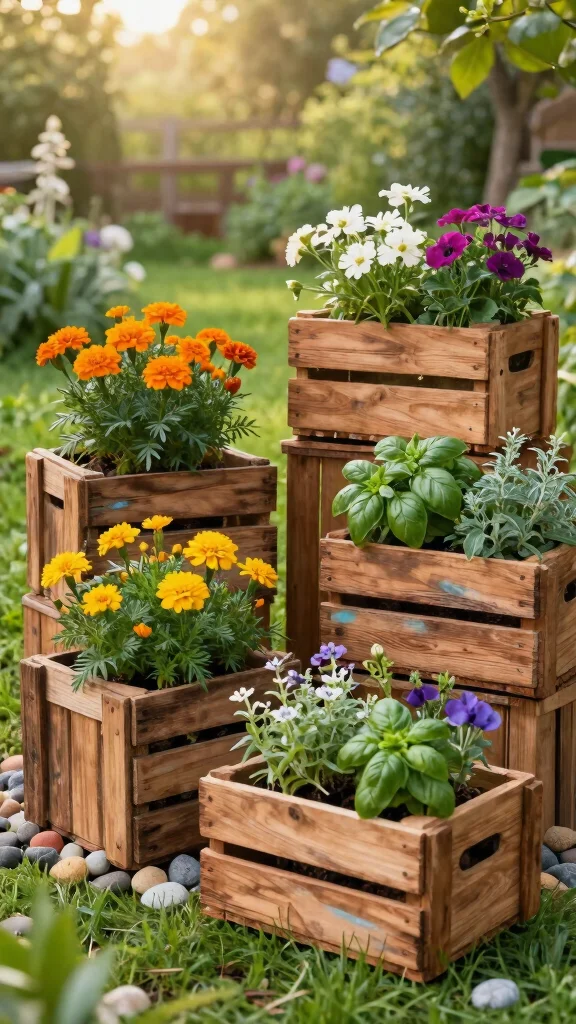
Bring a touch of rustic charm to your garden with upcycled wooden crates. These adaptable containers are ideal for growing vibrant flowers or fresh herbs, adding a delightful farmhouse feel to your outdoor space. You can easily discover wooden crates at flea markets or even repurpose those gathering dust in your garage.
To create your own, start by sanding the crate to smooth out rough edges. If you wish, paint or stain it with eco-friendly products to enhance its appeal. Remember to drill drainage holes at the bottom, then fill it with potting soil and your plant choices, such as lively marigolds or aromatic basil.
Key steps to get started:
– Sand the crate to remove rough edges
– Paint or stain with eco-friendly options
– Drill drainage holes for proper watering
– Fill with soil and plant your favorites
This DIY project not only looks stunning but also promotes recycling, making it a great choice for eco-conscious gardeners. Layering plants and adding trailing vines can turn your crates into a captivating centerpiece for your garden.
2. Hanging Vertical Planters
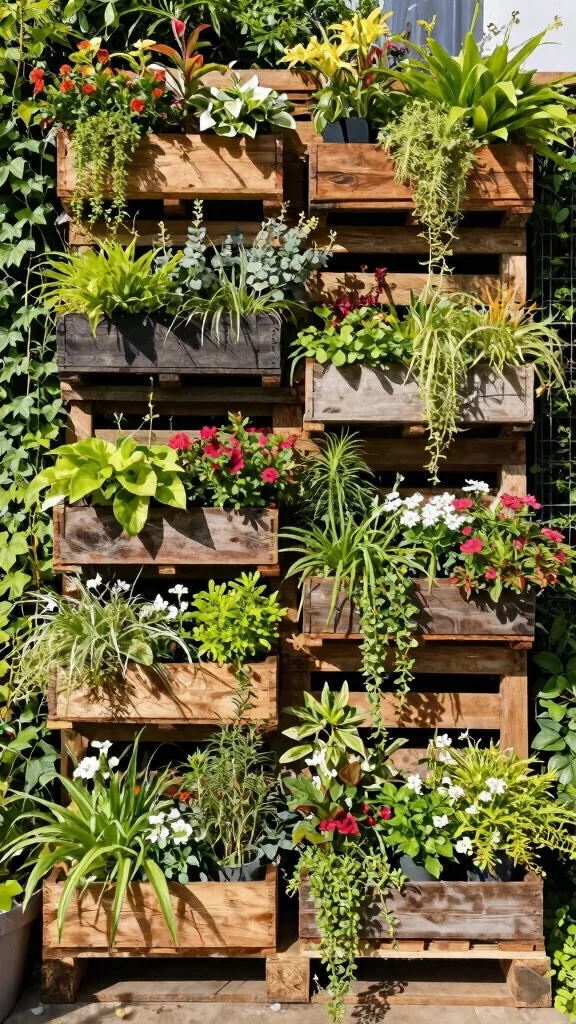
Enhance a blank wall or fence with hanging vertical planters that save space while adding a unique aesthetic. This creative approach allows you to use repurposed wooden pallets, plastic bottles, or even old shoe organizers for a fun garden feature. These planters not only beautify your space but also provide a habitat for pollinators like bees and butterflies.
To create your vertical garden, begin by selecting your material; pallets work wonderfully if they are clean and untreated. Secure the pallet vertically against a wall, then attach small pots or containers to its openings. Fill these with cascading plants like ivy or colorful flowers that drape beautifully.
Key steps to get started:
– Choose clean, untreated pallets or other materials
– Secure the pallet vertically to a wall
– Attach small pots for planting
– Fill with trailing plants or flowers
This idea maximizes planting space and creates an eye-catching display. It’s an excellent way to showcase your favorite plants while enhancing the overall garden ecosystem.
3. Colorful Clay Pots
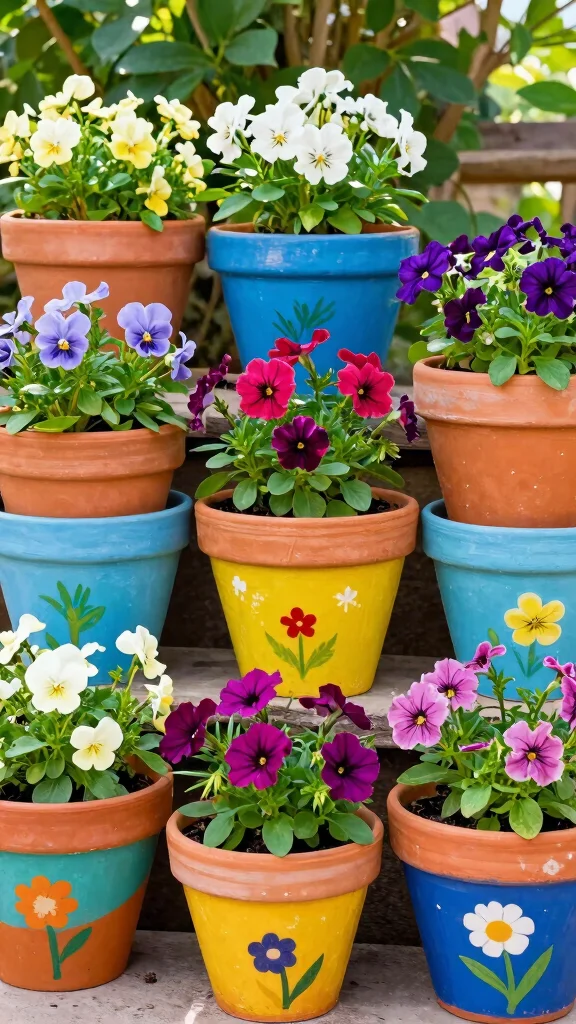
Brighten your garden with colorful clay pots that bring personality and vibrancy to your outdoor space. These classic planters, made from natural materials, are breathable and promote healthy plant growth while allowing you to express your creativity. The variety of colors and patterns you can create adds a fun touch to any garden setting.
To make your own, start with plain terracotta pots in various sizes. Use non-toxic, outdoor paint to add colors or fun patterns, and then fill them with potting soil and lively flowers like petunias or pansies. Grouping pots of different heights creates visual interest and a dynamic look.
Key steps to get started:
– Choose plain terracotta pots in different sizes
– Paint with non-toxic colors or patterns
– Fill with potting soil and vibrant flowers
These painted pots not only add flair but also encourage eco-friendly practices, making your flower arrangements a joy to behold in your garden.
4. Eco-friendly Biodegradable Planters
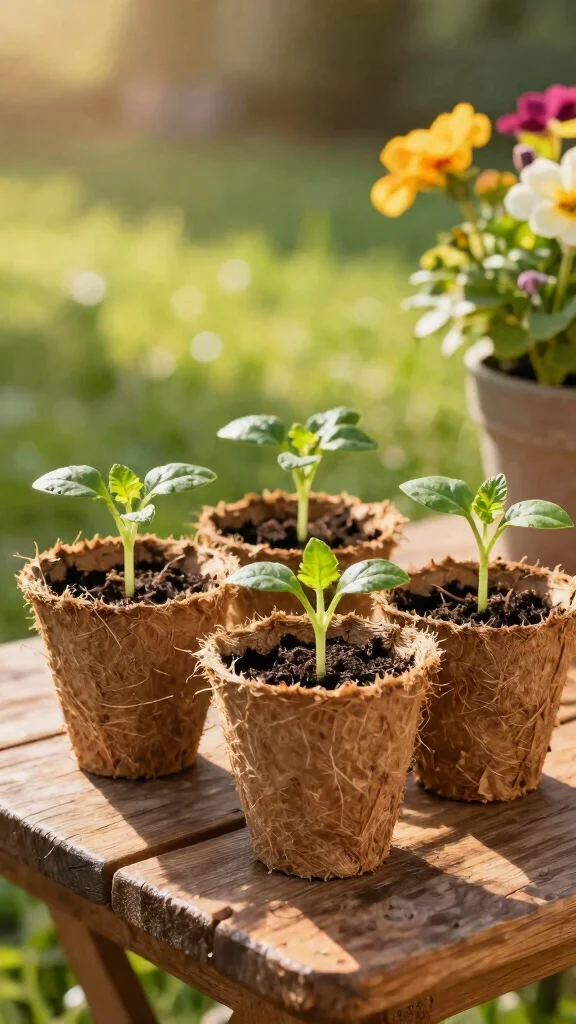
Choose sustainability with biodegradable planters made from materials like coconut coir or recycled paper. These eco-friendly alternatives break down over time, enriching the soil as they decompose and reducing waste in your garden. They are perfect for those who want to nurture plants while caring for the environment.
To create your biodegradable planters, look for seedling pots at your local gardening store. Fill them with organic potting soil and plant seeds or seedlings directly into the pots. As the plants grow, the biodegradable pots decompose, allowing roots to spread freely into the soil.
Key steps to get started:
– Find biodegradable seedling pots from your garden store
– Fill with organic potting soil
– Plant seeds or seedlings directly
This gardening method benefits the environment and simplifies the transition for your plants into garden beds. It’s an ideal way to minimize your carbon footprint while enjoying a lush, flourishing garden.
Did you know biodegradable planters, like coconut coir or recycled paper pots, break down in 3-6 months and enrich the soil as they decompose? It’s one of those eco-friendly outdoor planter ideas, like flower pots, that reduces waste and supports sustainable gardening.
5. Vintage Suitcase Planters
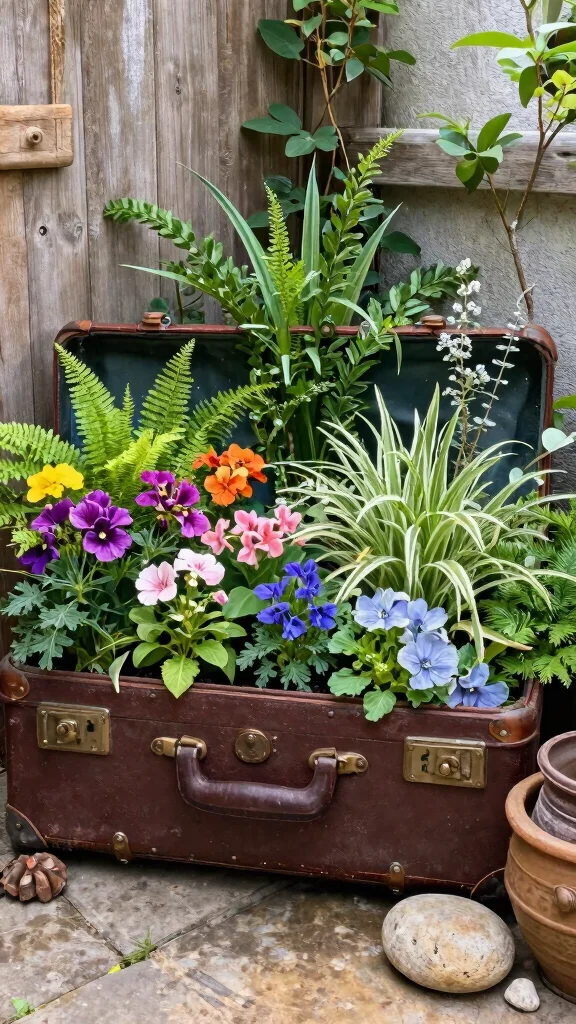
Add a whimsical touch to your garden by using vintage suitcases as unique planters. These charming containers not only introduce nostalgia but also allow you to repurpose old items creatively. This idea makes a delightful conversation piece while showcasing your love for vintage finds.
To create your suitcase planter, find an old suitcase at a thrift store or garage sale. Ensure it’s waterproof by lining it with plastic to prevent leaks, then fill it with potting soil and select plants like succulents or cascading flowers that thrive in this environment.
Key steps to get started:
– Locate a waterproof vintage suitcase
– Line it with plastic to prevent leaks
– Fill with soil and choose suitable plants
Arranging a suitcase planter in your garden or on a porch creates an unexpected focal point. This DIY project emphasizes recycling and adds a playful story to your garden decor, making it a favorite for guests who admire your creativity.
6. Recycled Plastic Bottle Planters
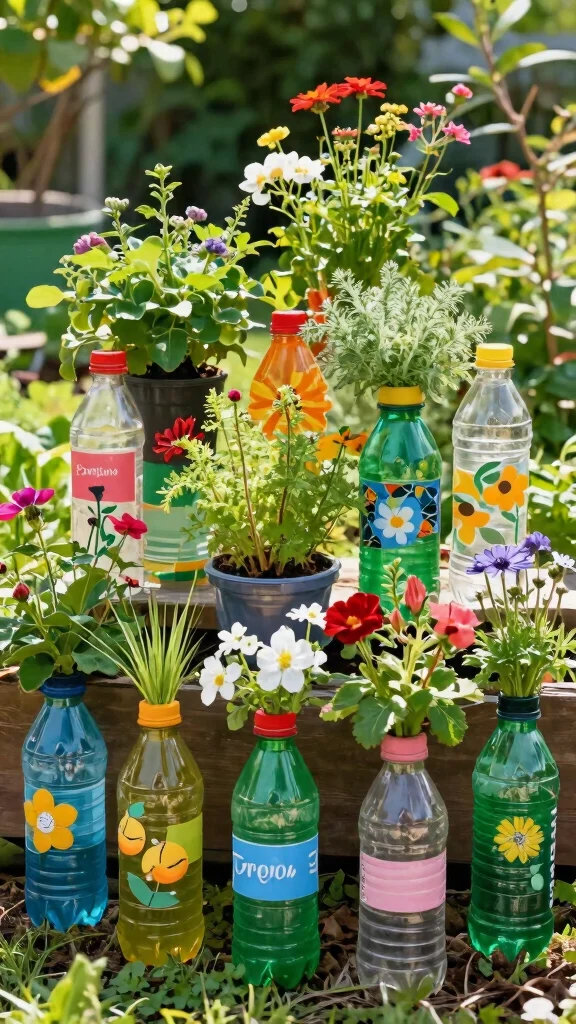
Turn old plastic bottles into stylish planters that are both budget-friendly and eco-conscious. This innovative planter design promotes recycling while providing an excellent way to grow your favorite herbs and flowers with minimal cost. It’s a fun and practical way to reduce waste in your garden.
To create these planters, clean the plastic bottles thoroughly and cut them in half or make drainage holes. Decorate them with natural jute twine or paint them using eco-friendly colors. Fill the bottles with soil and plant herbs or flowers, or hang them upside down to create a fun hanging garden effect!
Key steps to get started:
– Clean plastic bottles and cut them or make holes
– Decorate with twine or eco-friendly paint
– Fill with soil and plant favorites
These planters are perfect for growing herbs indoors or creating a colorful outdoor display. Thanks to their lightweight nature, they are easy to arrange anywhere with little effort.
7. Terrarium Garden Planters
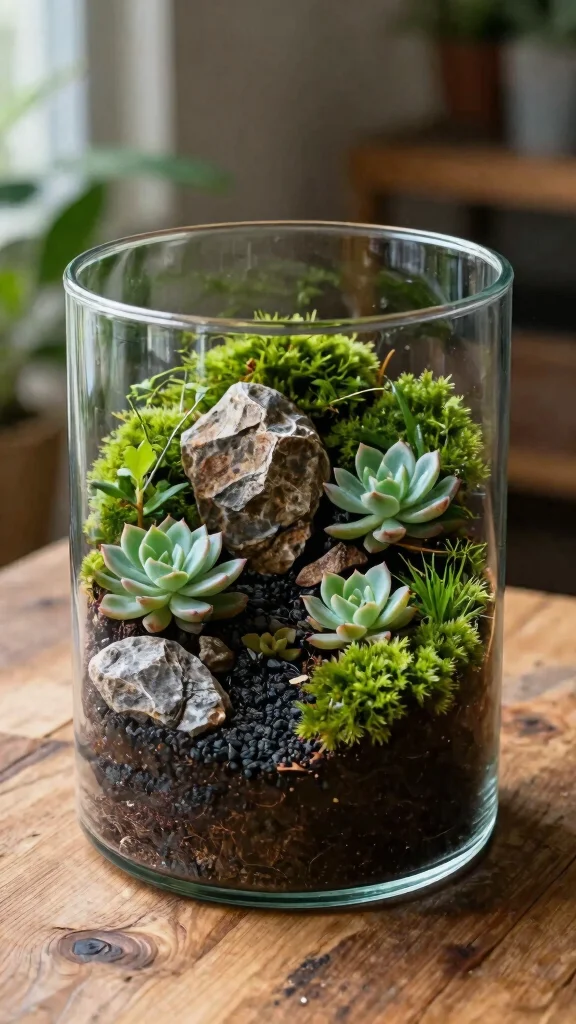
Craft a mini-ecosystem with terrarium garden planters that are perfect for small spaces. These enclosed gardens require minimal maintenance while providing stunning visual appeal, making them a fantastic conversation starter. They offer a unique way to learn about plant growth and care.
To create your terrarium, choose a glass container or jar with a lid. Start with a layer of small rocks for drainage, followed by activated charcoal to prevent mold. Then, add potting soil and select small plants like succulents or moss to complete your mini-garden.
Key steps to get started:
– Choose an appropriate glass container or jar
– Layer small rocks and activated charcoal
– Fill with soil and add small plants
Terrariums are not only beautiful but also an excellent way to repurpose glass. Place them on tables or countertops to liven up any indoor space, ensuring they receive the right light and care to thrive.
Key Trade-offs & Our Top Pick
Option 1: Upcycled Wooden Crates
– Pros:
– Eco-friendly and sustainable choice by reusing materials ✔
– Can be painted or stained to match your garden decor 💡
– Sturdy construction provides good drainage and support for plants
– Cons:
– May require some DIY skills to make them weatherproof ⏱
– Can be heavy, making repositioning difficult
– Limited shape options compared to other planters
– Best for: Gardeners who love rustic aesthetics and want to recycle materials.
Option 2: Hanging Vertical Planters
– Pros:
– Saves space, ideal for small gardens or patios 🌿
– Offers a unique visual appeal and can create a living wall effect
– Great for herbs and trailing plants
– Cons:
– Requires consistent watering, which can be tricky
– May need sturdy support to hold the weight of the soil and plants
– Not suitable for larger plants that need more space
– Best for: Urban gardeners with limited ground space who want to maximize vertical areas.
Option 3: Eco-friendly Biodegradable Planters
– Pros:
– Completely compostable and great for the environment 🌎
– Lightweight and easy to move around
– Typically made from natural materials like coconut coir or recycled paper
– Cons:
– Not as durable as plastic or ceramic options
– Can break down quickly if exposed to harsh weather
– May limit the types of plants that can be grown effectively
– Best for: Gardeners committed to reducing their ecological footprint while growing plants.
Expert Recommendation:
Best Overall: Upcycled Wooden Crates
The upcycled wooden crates are our top pick for most gardeners. They provide excellent value for money and can be customized to fit any garden style. Their durability allows for long-term use, making them a great investment. Plus, the eco-friendly aspect appeals to those looking to reduce waste.
Why We Picked This:
While upcycled wooden crates are versatile and durable, you might prefer hanging vertical planters if space is your primary concern. Eco-friendly biodegradable planters are perfect for those who prioritize sustainability over longevity. Consider your gardening needs and personal style when making your decision. Each option has its strengths and weaknesses, so choose the one that aligns best with your gardening goals.
8. Stone and Pebble Planters

Create a natural aesthetic with stone and pebble planters that blend seamlessly into your outdoor environment. These sturdy planters made from natural stones or concrete offer an organic look that enhances your garden’s beauty. They provide a rustic charm while also being eco-friendly.
To craft these planters, use large stones or create molds to shape concrete into planters. Hollow out the center for planting and select plants that thrive in rocky environments, such as succulents or wildflowers.
Key steps to get started:
– Use large stones or concrete molds
– Hollow out the center for planting
– Choose plants that thrive in rocky conditions
This idea not only adds a rustic touch to your garden decor but also utilizes locally sourced materials, making it an eco-friendly option. Grouping these planters creates an attractive focal point and provides habitat for beneficial insects.
9. Painted and Patterned Terracotta
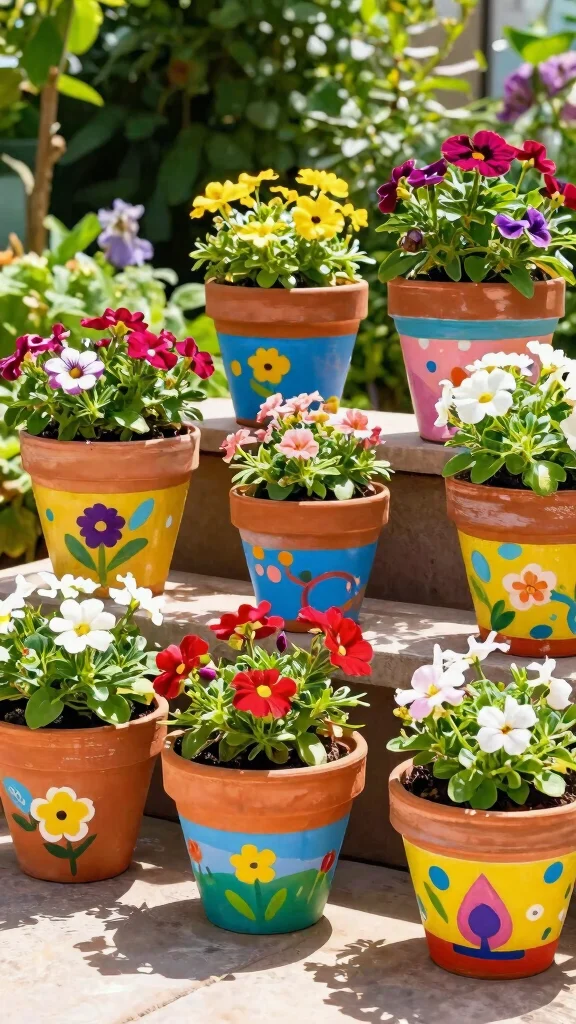
Revamp traditional terracotta pots with painted and patterned designs that reflect your personal style. This easy DIY project allows you to customize your pots while maintaining an eco-friendly approach. The vibrant colors and designs brighten up your garden, showcasing your creativity.
To get started, take plain terracotta pots and use non-toxic outdoor paint to create patterns like stripes, polka dots, or floral motifs. Seal the pots with an eco-friendly sealant to protect the paint from the elements.
Key steps to get started:
– Start with plain terracotta pots
– Use non-toxic paint for patterns
– Seal with eco-friendly sealant
These lively pots not only add flair to your garden but also encourage creative expression while repurposing materials. Arranging them in clusters creates a stunning display, allowing your flowers to shine even brighter.
Painted terracotta pots spark garden personality and make outdoor planter ideas flower pots pop. Start with non-toxic outdoor paint, try stripes or polka dots, and seal with an eco-friendly coat to keep colors vibrant season after season. Easy, affordable, and totally unique.
10. Woven Hanging Baskets
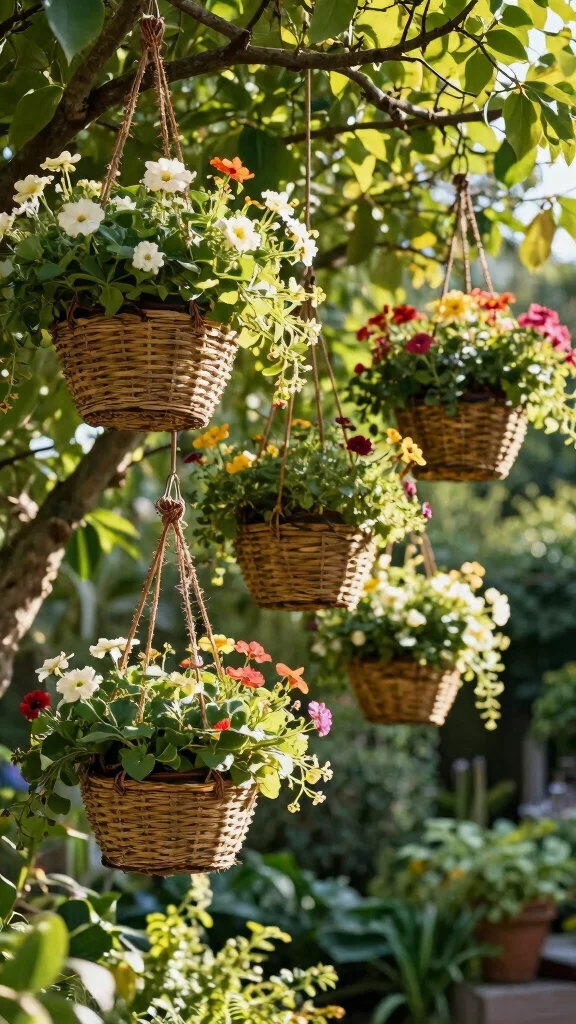
Introduce dimension to your garden with woven hanging baskets made from natural materials like seagrass or jute. These eco-friendly options provide a soft, organic touch that enhances your outdoor space while creating a cozy atmosphere. They are perfect for displaying your favorite trailing plants.
To create your hanging baskets, find or make them from natural fibers. Fill with potting soil and choose trailing plants like ferns or petunias. Hang them in sunny spots or along pathways to create a beautiful cascade of greenery.
Key steps to get started:
– Choose or create baskets from natural fibers
– Fill with soil and select trailing plants
– Hang in sunny or attractive locations
Woven baskets not only provide homes for your plants but also help brighten dull corners of your garden. They create an inviting feel that draws attention and enhances the overall decor.
11. DIY Concrete Planters
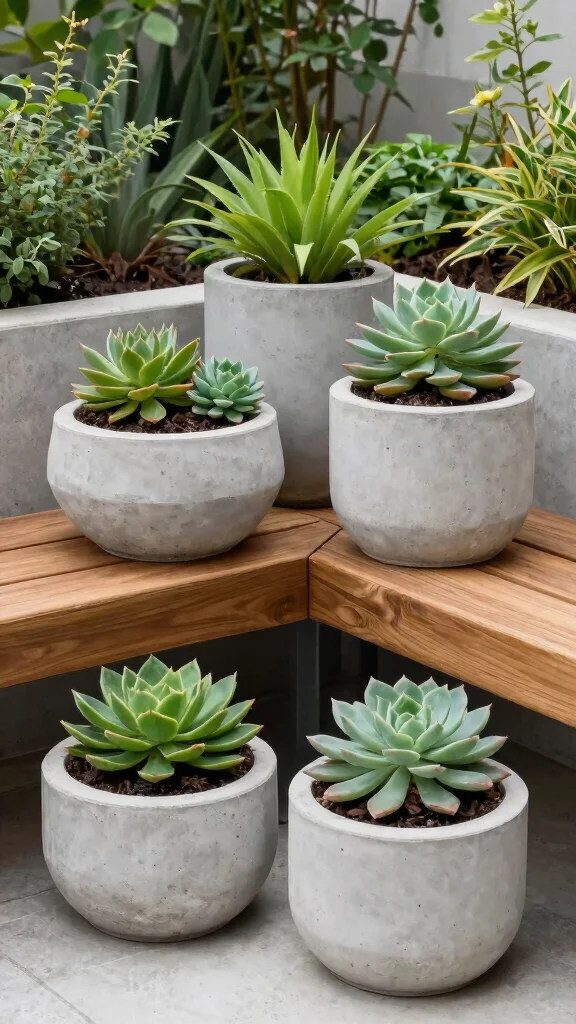
Add a modern touch to your garden with DIY concrete planters that offer a sleek and durable option. While they require a bit more effort to create, the minimalist look they provide is stylish and long-lasting. These planters fit beautifully into contemporary garden designs.
To create your concrete planters, use a mold to shape them into your desired sizes. Before the concrete sets, remember to add drainage holes to ensure proper water flow. Once dry, paint them with an eco-friendly sealant to protect against weather damage.
Key steps to get started:
– Use a mold to shape the planters
– Add drainage holes before the concrete sets
– Seal with eco-friendly paint
These concrete planters can be filled with hardy plants like succulents or small shrubs, providing a modern aesthetic that complements your garden while being sustainable due to their longevity.
12. Herb Spiral Planter
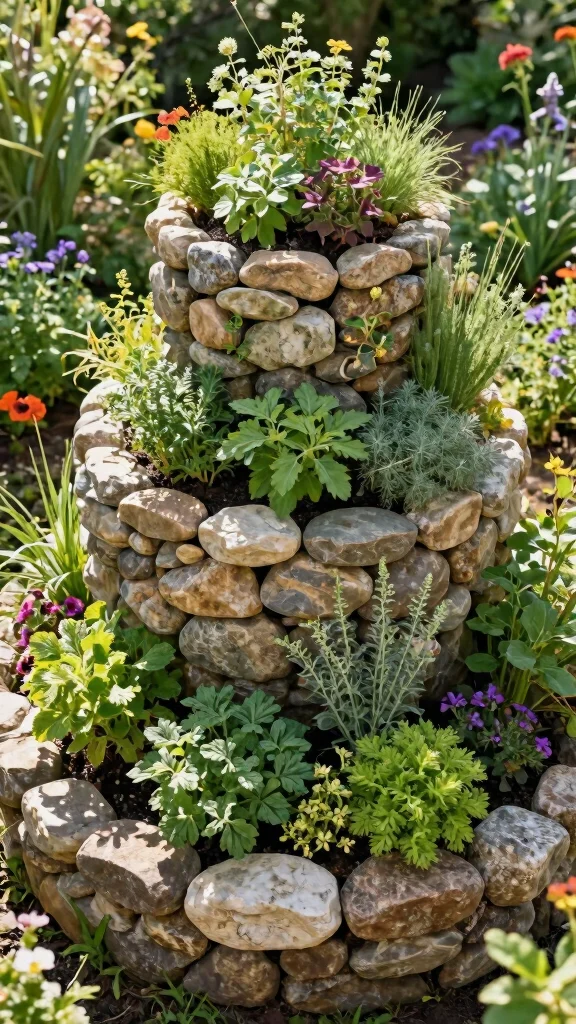
Combine beauty and functionality with a herb spiral planter that allows you to grow various herbs in a compact space. This innovative design is not only visually appealing but also maximizes vertical space, ensuring each herb receives adequate sunlight and water. It’s a great way to create a diverse herb garden.
To create your herb spiral, shape it using stones, bricks, or wood for structure. Fill with rich, organic soil, ensuring proper drainage. Plant herbs within the spiral, placing drought-tolerant plants at the top and moisture-loving ones at the base.
Key steps to get started:
– Create a spiral structure with stones or wood
– Fill with organic soil for drainage
– Plant herbs according to moisture needs
This design serves as a beautiful focal point while encouraging a diverse range of plants, promoting sustainable gardening practices.
Did you know a 4-foot herb spiral can hold 8-12 herb varieties while using 70% less soil than a flat bed? It’s a standout among outdoor planter ideas flower pots; compact, vertical, and efficient, maximizing sunlight and yields without crowding your space.
13. Natural Fiber Planters
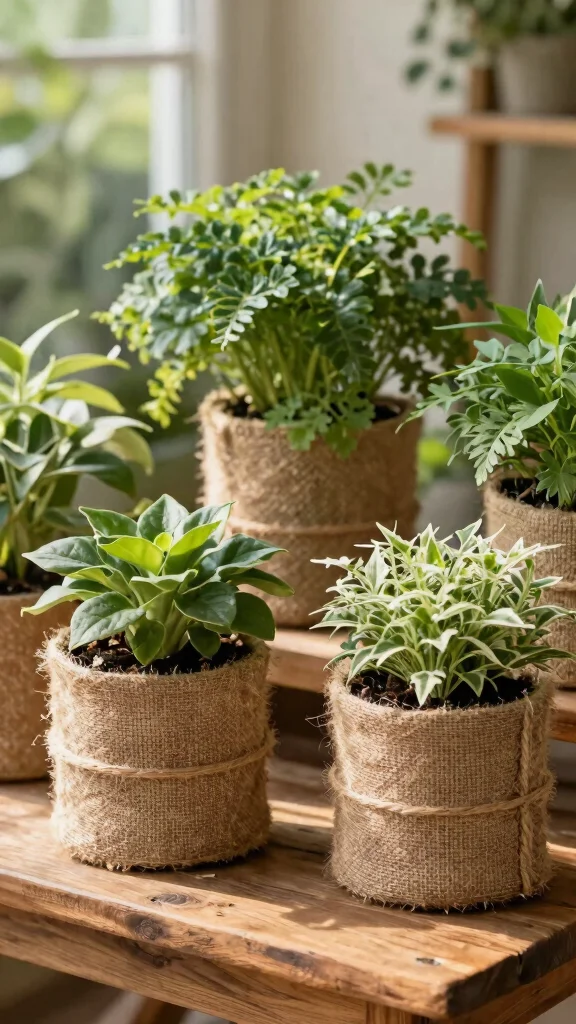
Consider using natural fiber planters made from materials like jute or sisal for an eco-friendly addition to your garden. These biodegradable options not only add rustic charm but are also perfect for indoor plants, patio flowers, or outdoor gardens with proper care. They emphasize the importance of using renewable materials.
To create your natural fiber planters, select pots from a gardening store or make DIY versions using jute or sisal rope. Fill with potting soil and choose plants that complement the natural look, such as ferns or small flowering plants.
Key steps to get started:
– Choose or create pots from natural fibers
– Fill with potting soil
– Select plants that fit the natural aesthetic
These planters can be hung or placed on tables, creating warmth and texture in your garden decor. They beautifully align with sustainable gardening practices, highlighting the value of renewable materials.
Conclusion
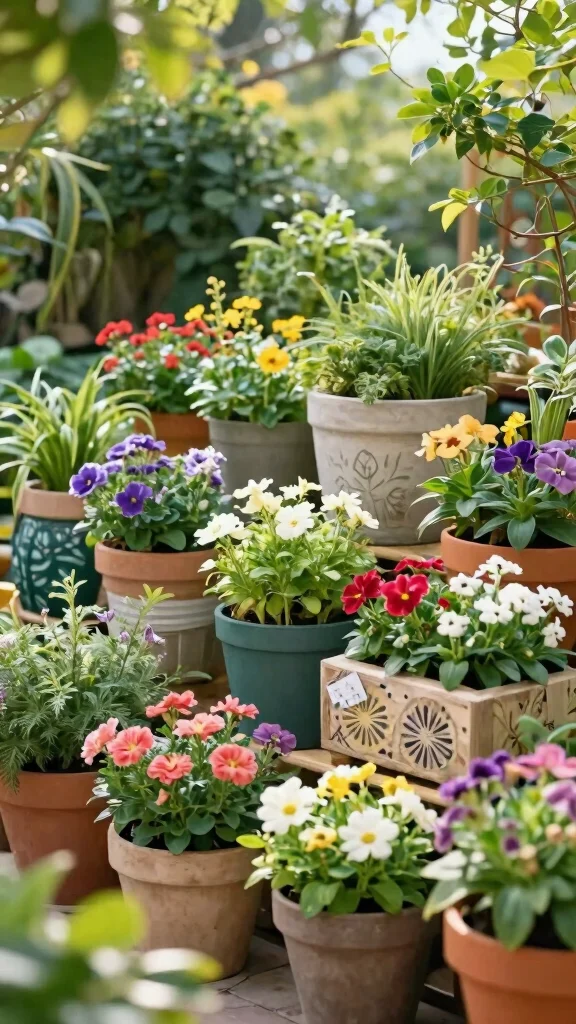
Creating an intentional garden doesn’t just enhance your outdoor space; it also promotes sustainable practices and eco-friendly choices that benefit our planet. With these 13 outdoor planter ideas, you can integrate creativity and sustainability into your gardening journey.
Whether you’re upcycling materials or embracing natural designs, there are countless ways to make your garden reflect your personality while conserving resources. What will you try first? Let your garden flourish with these sustainable and artistic planter ideas that will turn your outdoor space into a vibrant, eco-conscious haven!
Note: We aim to provide accurate product links, but some may occasionally expire or become unavailable. If this happens, please search directly on Amazon for the product or a suitable alternative.
This post contains Amazon affiliate links, meaning we may earn a small commission if you purchase through our links, at no extra cost to you.
Frequently Asked Questions
What makes outdoor planter ideas using flower pots feel more intentional and eco-friendly?
Think beyond plain plastic pots. Start with eco-friendly materials like terracotta, ceramic, recycled metal, or upcycled containers. Group pots by height and texture to create a deliberately curated look. Use drainage-conscious soils and water-wise plants such as natives or drought-tolerant species to cut waste. Choose a cohesive color palette and repeat plant families to tell a cohesive garden story. For DIY planter projects, repurpose items like a wooden crate or hollowed log to add character. These strategies exemplify outdoor planter ideas and can blend in flower pots with sustainable design.
How can I choose sustainable materials for DIY planter projects without sacrificing style?
Start with reclaimed wood, concrete or stone molds, weathered metal, or durable recycled plastic. Avoid pressure-treated wood near edibles and look for finishes with low VOCs. Build planters with proper drainage and use self-watering inserts to cut watering tasks. Source materials locally to cut transport emissions, and seal containers to extend life. For style, mix textures and keep a consistent color story across your DIY planter projects to maintain a cohesive look. This keeps things eco-friendly and aligned with creative planter designs.
What are easy flower pot arrangements for small spaces using creative planter designs?
Start with vertical or railing planters to gain real estate without crowding. Use a window box or multi-tiered pot stand to create height and depth. Color-block pots with a small family of plants—herbs, leafy greens, and a few blooms—for instant impact. Mix evergreen fillers for year-round structure and seasonal blooms for color bursts. For flower pot arrangements, repeat shapes and color accents to build a harmonious garden decor ideas in compact spaces. Pair with a few scented herbs for more sensory appeal, and you’ll have a polished look from every angle.
What outdoor gardening tips help planters last longer and stay low maintenance?
Choose lightweight but durable pots with good drainage and a high-quality potting mix that suits your plants. Match sun exposure to plant choices, and use mulching to conserve moisture. Water early in the day or install a simple drip irrigation line to reduce waste. Refresh yearly with a few resilient annuals or perennials, prune regularly, and clean pots to prevent pests. Rotate plant families to minimize disease risk, and consider weatherproof finishes or paint to extend life. These outdoor gardening tips keep your outdoor planter ideas looking fresh with minimal effort.
How can I upcycle everyday items into cohesive garden decor ideas without looking random?
Turn everyday finds into planters by adding drainage holes and a weatherproof finish. Boots, teapots, colanders, tires, and wooden crates can all become eye-catching containers when grouped with a common theme. Create a simple color palette and repeat the same pot shapes or heights for a unified look. Label plants for easier maintenance and layer pots at varying heights to add depth, like a living sculpture. This approach is a fun DIY planter projects that delivers strong garden decor ideas while keeping things sustainable and stylish.
Related Topics
outdoor planter ideas
flower pot arrangements
creative planter designs
sustainable gardening
DIY planter projects
garden decor ideas
eco-friendly planters
beginner friendly
seasonal planting
upcycled planters
small space gardening
easy gardening tips