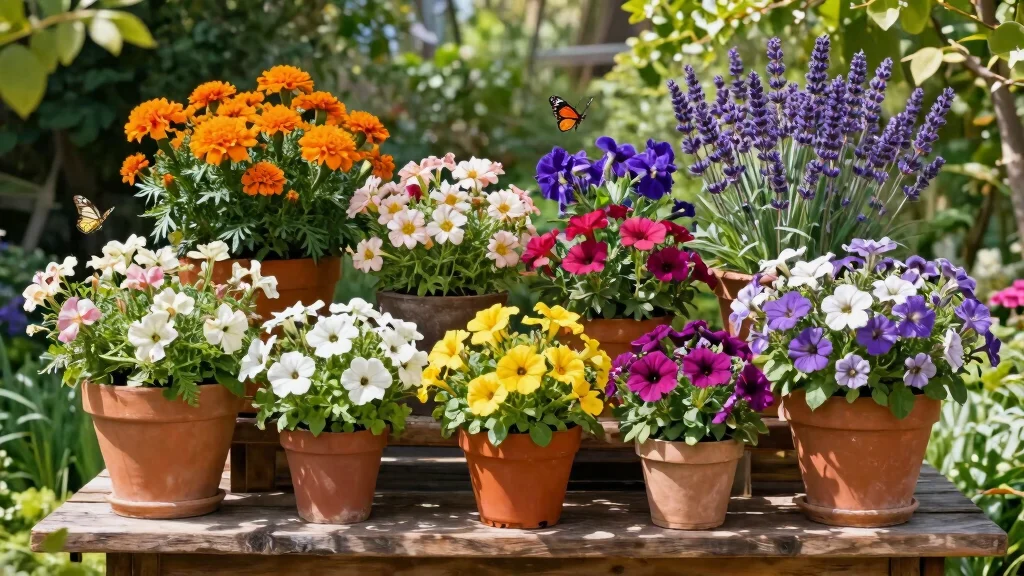
Creating beautiful mixed flower pots can feel like a delightful challenge. This time of year always reminds me of the joy of seeing a colorful garden in full bloom. If you’re someone who loves gardening and wants to elevate your container game, this one’s for you. I pulled together 11 mixed flower pot ideas that bring a lush, layered look to your garden. These ideas are perfect for anyone eager to enjoy a captivating floral display that changes with the seasons.
In this post, you’ll find a range of flower pot arrangements that inspire creativity and cater to pollinators. Whether you’re new to gardening or a seasoned pro, you’ll discover tips and tricks to create seasonal flower displays that are not only stunning but also beneficial to the environment. Each idea combines aesthetic appeal with practical advice, so you can craft vibrant pots that thrive all year long. Get ready to enjoy a garden that’s colorful, inviting, and full of life!
Key Takeaways
– Explore Variety: Discover diverse flower combinations that appeal to both your eyes and local pollinators.
– Seasonal Adaptability: Learn how to design your pots for year-round blooms, ensuring they remain vibrant through every season.
– Layered Designs: Get insights on how to create depth in your arrangements with tall, medium, and trailing plants.
– Container Gardening Tips: Find practical advice on pot selection, soil types, and watering needs for healthy flower pots.
– Pollinator-Friendly Choices: Understand the importance of selecting flowers that attract bees and butterflies, enriching your garden ecosystem.
1. The Cascading Beauty
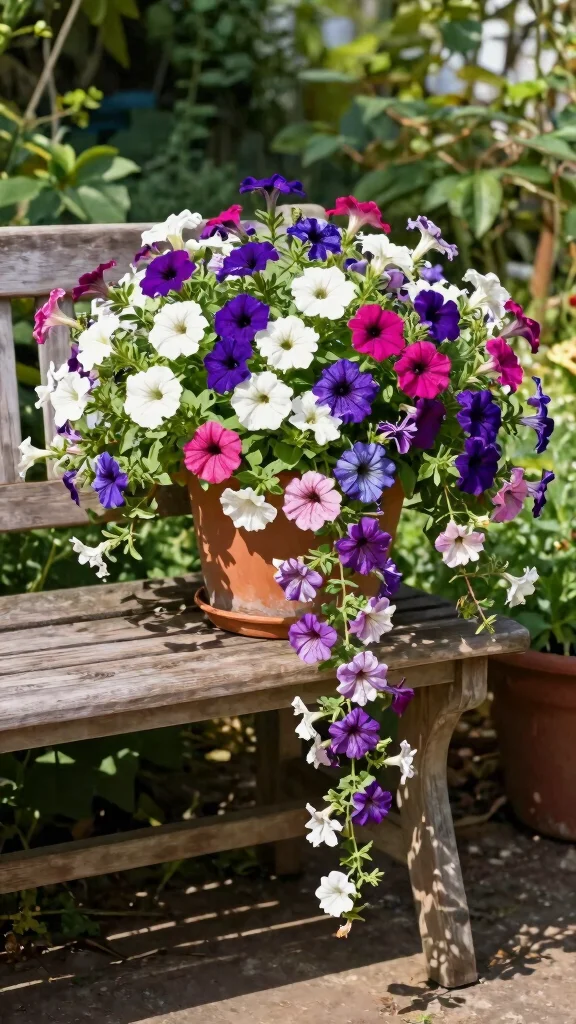
Imagine transforming a simple flower pot into a stunning display with cascading blooms. By incorporating flowers like Petunias, Trailing Lobelia, and Bacopa, you can create a vibrant waterfall effect that captivates the eye. These varieties spill gracefully over the edges, adding a touch of drama and color to any space.
To achieve this effect, choose a sturdy pot that can support the weight of these beautiful blooms. Start with quality potting mix for optimal drainage, positioning taller flowers like Salvia in the center as a focal point. Surround them with trailing plants that will elegantly cascade over the sides for a lush look.
Key tips for your cascading arrangement:
– Select a harmonious color palette to tie everything together.
– Adapt your plant choices with the seasons for continuous freshness.
– Monitor watering needs closely, as cascading flowers thrive on consistent moisture.
This layered design not only draws the eye but also creates a welcoming habitat for beneficial insects among the blooms.
2. Pollinator Paradise
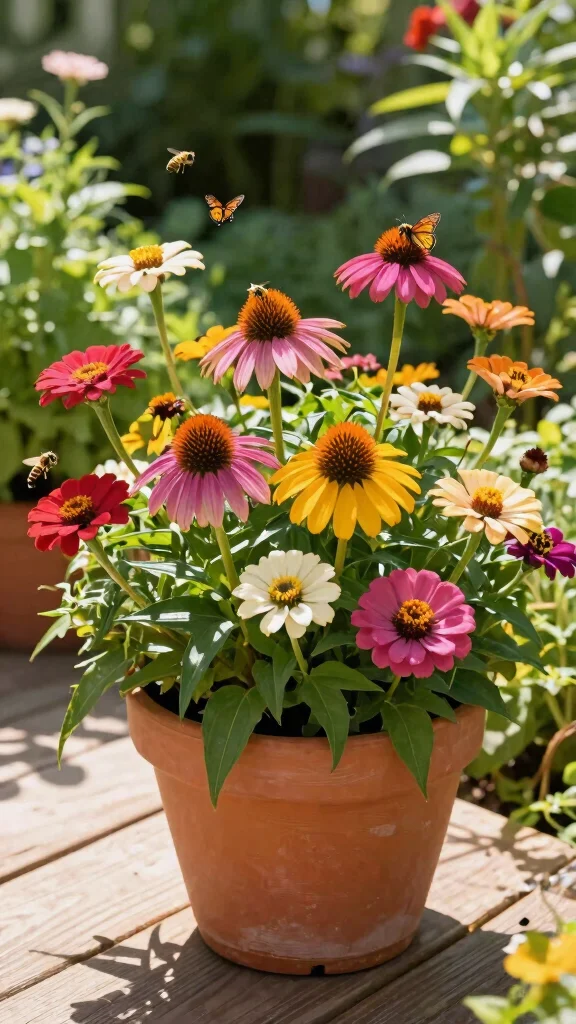
Designing a flower pot that attracts pollinators can enhance your garden’s beauty and ecological health. By combining native plants like Echinacea, Black-eyed Susans, and Zinnias, you can create a vibrant oasis that invites bees and butterflies. This not only brightens your space but also supports vital wildlife.
Choose a spacious container to allow for healthy growth. Begin with a layer of gravel for drainage, followed by nutrient-rich potting soil. Arrange taller varieties in the center, flanked by medium and smaller blooms to create depth and interest.
Essential considerations for your pollinator pot:
– Mix bright colors like yellows and purples for a lively display.
– Position your pot in a sunny area to maximize pollinator visits.
– Regularly deadhead spent blooms to encourage new growth throughout the season.
This beautiful pot design not only delights the eyes but also plays a crucial role in sustaining local ecosystems.
Fun fact: A single 14-inch pot with mixed flower pots of native blooms like Echinacea, Black-eyed Susans, and Zinnias can attract a steady parade of bees all season. Mix in a drainage layer, and you’ve got a thriving pollinator paradise in a compact space.
3. Monochrome Magic
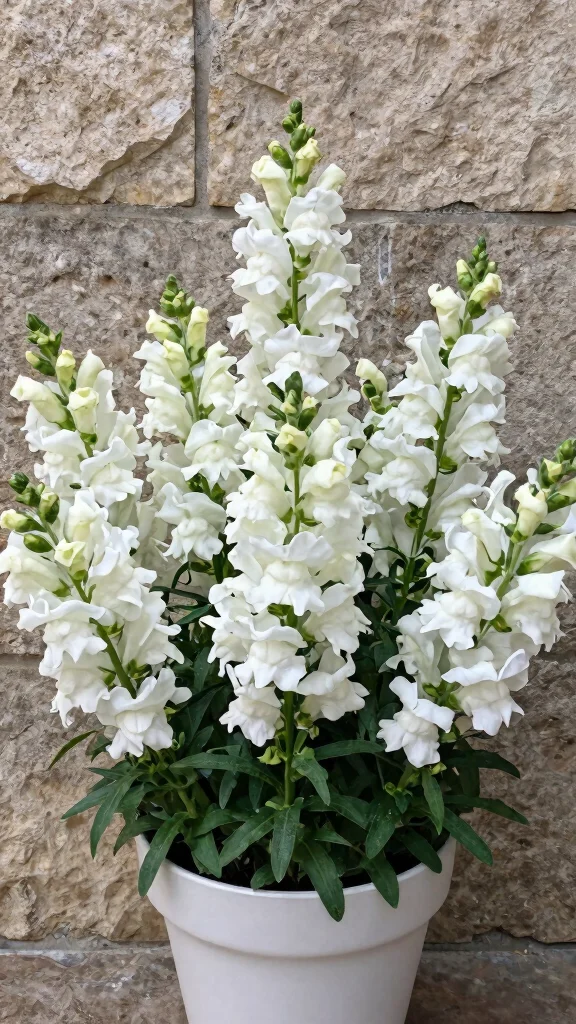
For an elegant and sophisticated look, try a monochrome flower pot arrangement. Selecting flowers in varying shades of a single color, like white, purple, or red, creates a harmonious and striking design.
For a white-themed pot, combine Angelonia, Snapdragons, and Dusty Miller to add texture and interest. Use a tall pot to enhance the visual depth, positioning the tallest flowers centrally and allowing others to radiate outward.
Tips for achieving monochrome magic:
– Incorporate different textures for added visual appeal.
– Use green foliage to contrast and enhance the floral display.
– Adjust flower types seasonally, staying within your chosen color family.
This monochromatic approach creates a tranquil atmosphere that enhances any outdoor setting.
Top Varieties for Different Conditions
1. Petunia ‘Wave’
– Best conditions: Ideal for full sun and well-drained soil.
– Key features: This variety blooms profusely and cascades beautifully over the edge of pots. Its vibrant colors attract pollinators and add a cheerful touch to your garden.
– Considerations: Requires regular watering and may need a bit of deadheading to keep blooms coming.
2. Lobelia ‘Crystal Palace’
– Best conditions: Thrives in cooler climates and partial shade.
– Key features: This trailing plant produces small, deep blue flowers that create a stunning contrast with other vibrant colors. It’s great for hanging arrangements and adds depth to layered pots.
– Considerations: Lobelia prefers moist soil, so regular watering is essential, especially in warm weather.
3. Marigold ‘French Orange’
– Best conditions: Grows well in full sun and is drought-tolerant once established.
– Key features: These bright orange flowers not only look fantastic but also repel pests, making them perfect for a pollinator-friendly pot. They’re hardy and require minimal care.
– Considerations: Marigolds can handle heat but may struggle with excessive humidity.
4. Nasturtium ‘Cherry Rose’
– Best conditions: Loves full sun but can tolerate partial shade.
– Key features: Nasturtiums produce vibrant edible flowers that can add a spicy flavor to salads. They attract bees and butterflies, enhancing your pollinator-friendly garden.
– Considerations: These plants prefer poorer soil, so reduce fertilizer to keep them thriving.
5. Zinnia ‘Profusion’
– Best conditions: Flourishes in hot, dry climates with plenty of sunlight.
– Key features: Known for their long-lasting blooms and vibrant color palette, these zinnias are great for mixed arrangements. They bloom from summer into fall, providing a continuous display.
– Considerations: Zinnias need space to grow, so ensure your pot has ample room for them to spread.
6. Cosmos ‘Sensation’
– Best conditions: Prefers full sun and well-drained soil, thriving in poor soils.
– Key features: These tall, graceful flowers attract butterflies and make stunning focal points in layered pots. Their airy appearance adds a light touch to your arrangements.
– Considerations: While they self-seed easily, they can become leggy if overcrowded, so trim them as needed.
7. Sedum ‘Autumn Joy’
– Best conditions: Thrives in full sun and well-drained soil, making it great for hot, dry conditions.
– Key features: This succulent produces beautiful pink flowers that turn to a rich bronze in autumn. It’s drought-resistant and perfect for low-maintenance gardens.
– Considerations: Ensure your pot has drainage holes to prevent root rot.
Climate/Condition Guide:
– Temperate: Most flowers thrive here, so use a mix of annuals and perennials for full-season blooms.
– Continental: Opt for hardy varieties like marigolds and zinnias that can withstand temperature shifts.
– Coastal: Choose salt-tolerant plants like nasturtiums and lobelias that can handle wind and sandy soil.
– Hot/Dry: Prioritize drought-tolerant options like sedums and zinnias that can withstand heat without constant watering.
– Humid: Look for moisture-loving plants such as lobelia and petunias that can thrive in wetter conditions.
Growing Tips:
– Water your mixed flower pots consistently, but avoid soggy soil. Check moisture levels before watering.
– Mix plants with different heights and textures to create a visually appealing layered effect.
– Fertilize every few weeks with a balanced fertilizer to encourage healthy growth throughout the season.
Avoid:
– Overcrowding your pot, which can lead to competition for nutrients and water.
– Choosing varieties that have conflicting needs, like drought-tolerant plants mixed with moisture-loving ones.
4. Edible Flower Pots
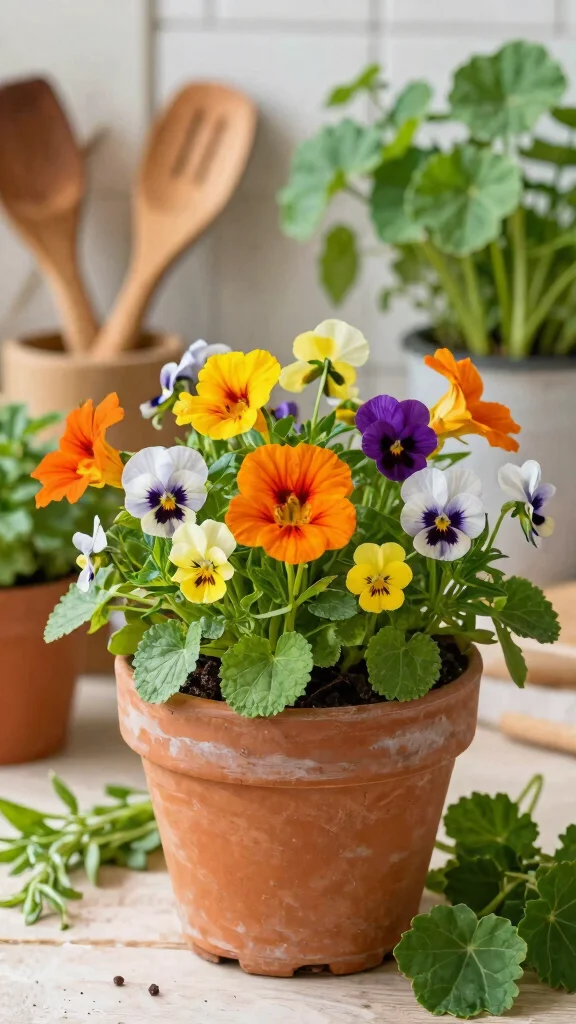
Combine beauty with practicality by creating edible flower pots that brighten your garden and add flavor to your meals. Select flowers like Nasturtiums, Violas, and Calendulas, which are colorful and delicious, making them perfect for culinary use.
Start with a classic clay pot filled with nutrient-rich potting soil. Plant your flowers alongside herbs like Basil or Parsley for a flavorful and visually appealing combination. This way, your flower pot becomes a source of fresh ingredients for your kitchen.
Helpful tips for growing edible flowers:
– Use them in salads, desserts, and as garnishes.
– Ensure adequate sunlight and water for thriving plants.
– Regularly harvest flowers to encourage continued growth and health.
This arrangement not only looks great but also enhances your culinary adventures.
5. Vintage Charm
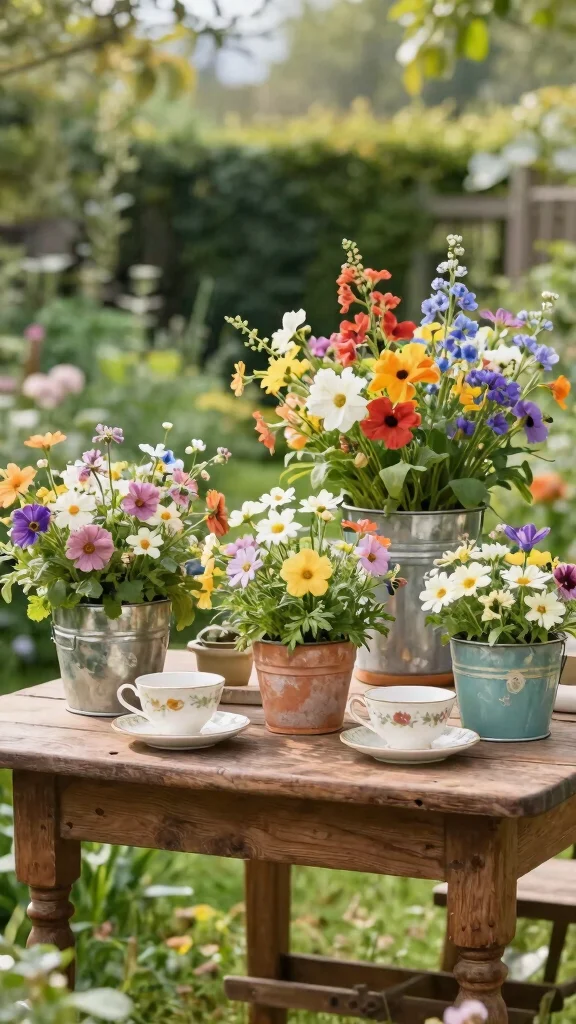
Infuse a sense of nostalgia into your garden with a vintage-inspired mixed flower pot arrangement. Using unique containers like old teacups, tin cans, or wooden crates, you can create a whimsical and charming display.
Fill these delightful containers with cheerful flowers like Pansies, Sweet Alyssum, and Snapdragons. This style encourages playful combinations, placing taller flowers in the center while allowing smaller varieties to cascade over the edges.
Tips to enhance your vintage arrangements:
– Seek out creative containers at thrift stores or flea markets.
– Vary heights and textures for an engaging look.
– Stick to pastel colors to maintain a soft, vintage feel.
These mixed flower pots not only add character to your garden but also serve as charming conversation starters.
6. Tropical Fusion
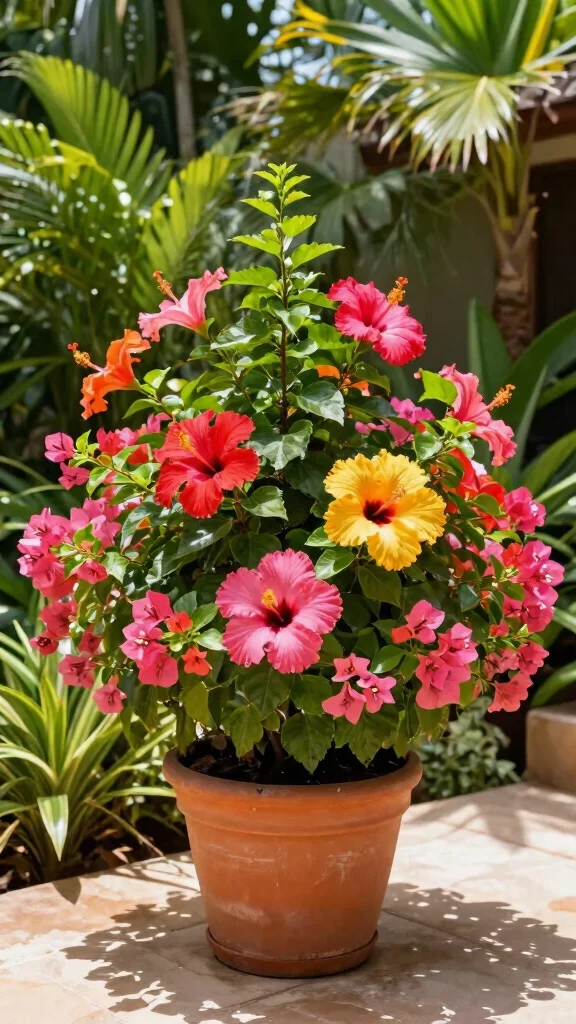
Bring a touch of the tropics to your garden with a mixed flower pot featuring vibrant exotic plants. Combine eye-catching varieties like Hibiscus, Bougainvillea, and Lantana for a lively and colorful display that evokes vacation vibes.
Select a large pot to accommodate the height and spread of these tropical beauties. Begin with a base layer of soil and add slow-release fertilizer to support growth. Arrange taller plants in the center with sprawling varieties around the edges for a dynamic look.
Key tips for your tropical fusion:
– Position your pot in full sun to meet sunlight needs.
– Embrace bold color clashes that reflect a tropical theme.
– Keep the soil consistently moist without overwatering.
This arrangement adds vibrancy to your space, creating a warm and inviting atmosphere.
Turn a patio into a tropical retreat with your mixed flower pots in one showy setup. Start with a soil base, add slow-release fertilizer, and place Hibiscus in the center with Bougainvillea and Lantana around for height and color.
7. Herb and Flower Combo
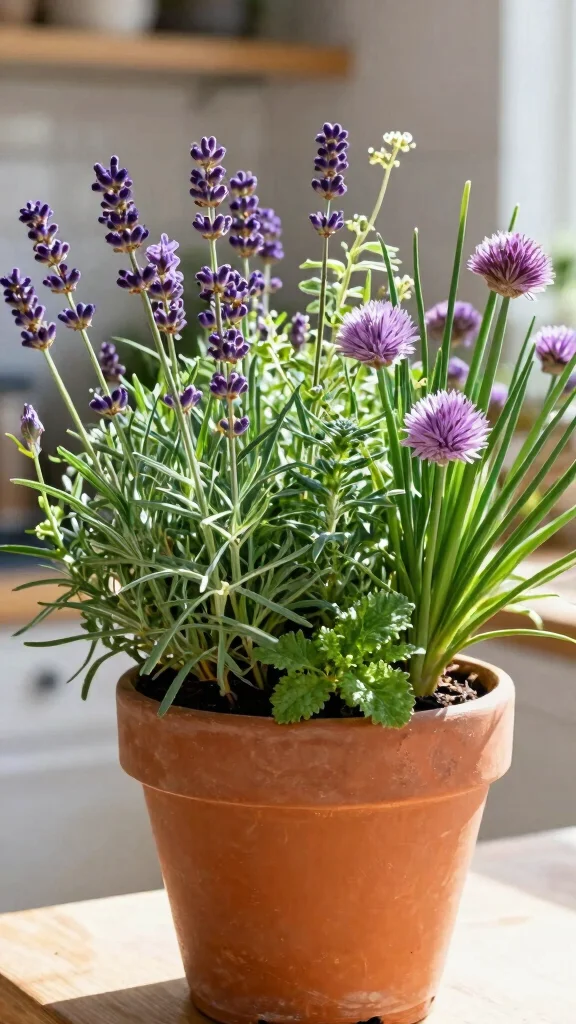
Creating a mixed flower pot doesn’t have to focus solely on flowers! Combining herbs and flowers can yield a fragrant and functional arrangement. Consider using plants like Lavender, Chives, and Thyme for an aromatic experience.
Begin with a pot that offers good drainage. Position the herbs in the center for height, and surround them with colorful flowers to enhance visual appeal. This combination not only beautifies your space but also provides fresh herbs for your culinary creations.
Essentials for your herb and flower combo:
– Enjoy the practicality of growing herbs alongside flowers.
– Use fresh herbs in your meals for a flavor boost.
– Position herbs needing more sunlight in the most exposed areas.
This pot promotes an interactive gardening experience, allowing you to appreciate both the visual and culinary benefits.
8. Autumnal Accents
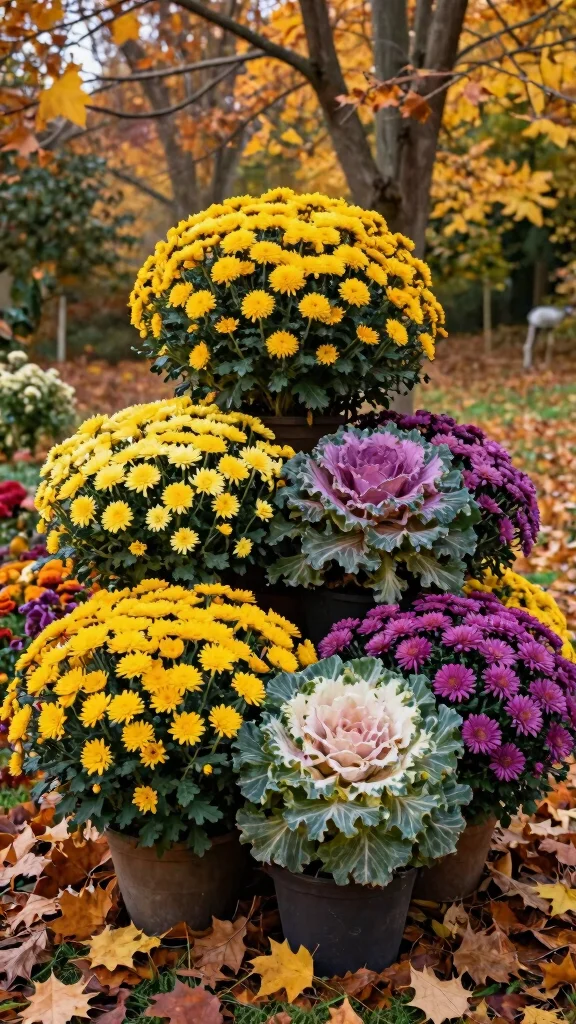
As the seasons shift, so can your flower pots! Celebrate autumn by featuring seasonal flowers like Chrysanthemums, Asters, and Ornamental Cabbage that capture the warm essence of fall.
Opt for a sturdy container to support these hardy plants. Arrange taller blooms in the back while letting trailing vines or smaller flowers spill over the front for a delightful effect. Use rich, warm colors to evoke the spirit of the season.
Tips for your autumnal accents:
– Vary height and color for added visual interest.
– Combine different leaf textures for depth.
– Protect your arrangements from frost as temperatures drop.
This flower pot design allows you to enjoy the warm hues of fall long after summer fades.
Autumn is the perfect time to prove that mixed flower pots can wow and feed pollinators. Stack tall autumn blooms in back, let the trailing vines spill forward, and choose Chrysanthemums, Asters, and Ornamental Cabbage in warm tones for a hardy, pest-friendly display.
9. Container Garden of Perennials
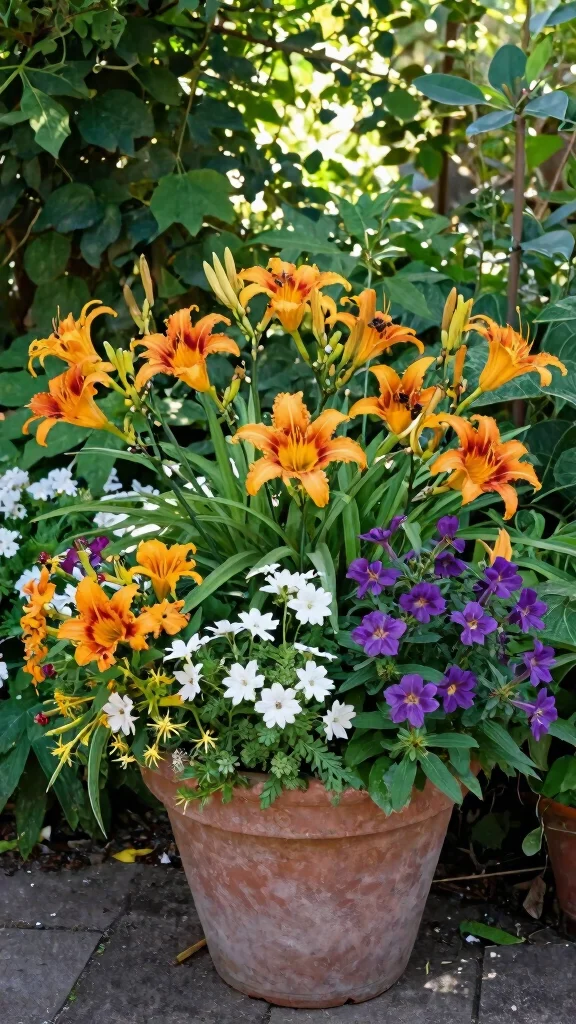
Creating a mixed flower pot with perennial plants ensures lasting beauty in your garden. Choose perennials like Daylilies, Coreopsis, and Bee Balm for a pot that offers annual blooms without the hassle.
Select a deep pot to accommodate the roots of these hardy plants. Plant taller perennials in the center and let the others frame them for a beautifully layered look.
Benefits of your perennial pot:
– Enjoy longevity with lower maintenance over time.
– Appreciate the seasonal changes as different flowers bloom.
– Fertilize your pot once a year for thriving plants.
This mixed flower pot provides a vibrant and reliable display that enhances your garden year after year.
10. The Rustic Touch
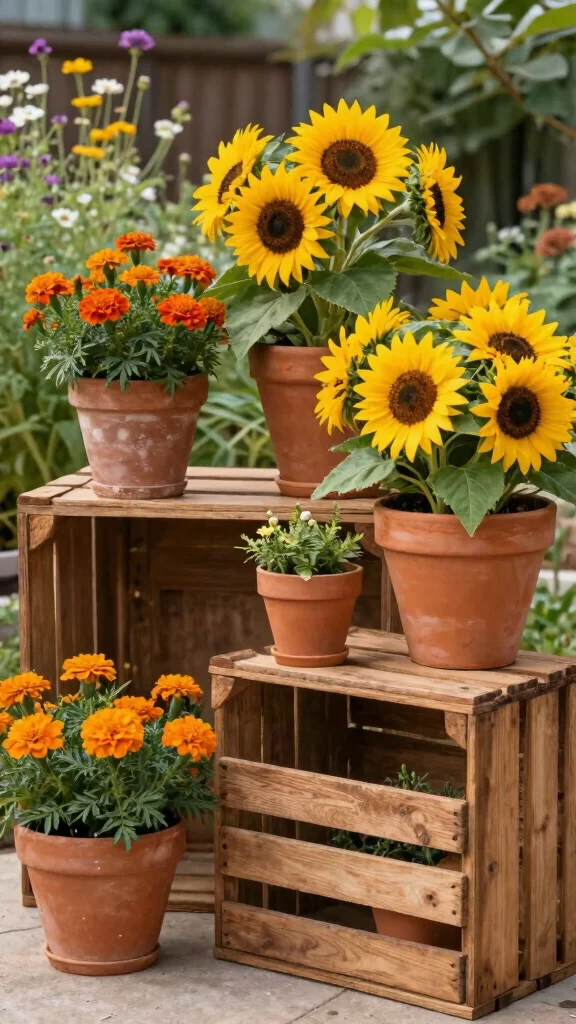
Introduce a rustic charm to your garden with flower pot arrangements that utilize simple materials like wooden crates or terracotta pots. Combine cheerful flowers such as Sunflowers, Cosmos, and Marigolds for a warm and inviting display.
Fill larger crates with soil and arrange the flowers, planting taller sunflowers at the back. Incorporate small hand-painted pots for a fun variety. This style exudes a cozy, welcoming vibe.
Tips for your rustic arrangements:
– Use warm tones like yellows, oranges, and reds to reflect rustic charm.
– Create layers with varying heights for an engaging look.
– Ensure adequate sunlight and watering for healthy growth.
This charming style adds warmth and personality to your outdoor space.
11. The Wildflower Mix
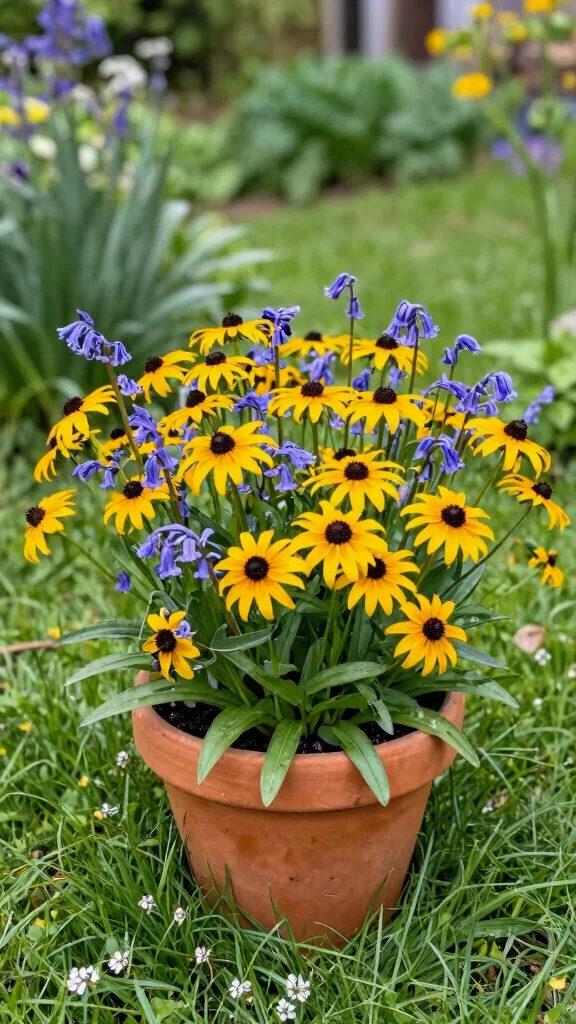
For a natural and carefree aesthetic, consider creating a wildflower mixed flower pot. Use native wildflowers like Bluebell, Indian Blanket, and Black-eyed Susan to attract local wildlife and promote biodiversity.
Select a wide, shallow pot to mimic a meadow environment. Scatter the seeds and lightly cover them with soil to encourage growth. This arrangement not only offers beauty but also supports environmental health.
Key features of your wildflower pot:
– Enjoy the low maintenance of wildflowers compared to cultivated varieties.
– Embrace a color explosion for a vibrant, unkempt look.
– Attract beneficial insects like bees and butterflies for a thriving ecosystem.
This arrangement showcases nature’s beauty effortlessly, enhancing your outdoor decor while being environmentally conscious.
Conclusion
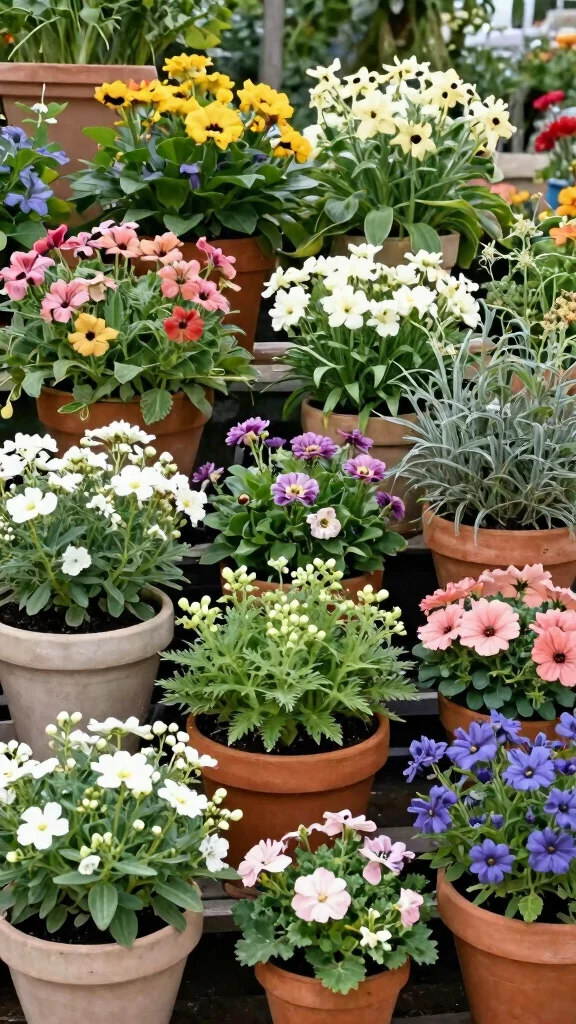
Mixed flower pots are a delightful way to express creativity while supporting local ecosystems. With a variety of themes and plants to choose from, you can craft stunning arrangements that bloom beautifully throughout the seasons. Embrace these ideas and let your garden reflect your personality and passion for nature. Enjoy experimenting with colors, textures, and plant combinations to find the perfect mix for your space!
Note: We aim to provide accurate product links, but some may occasionally expire or become unavailable. If this happens, please search directly on Amazon for the product or a suitable alternative.
This post contains Amazon affiliate links, meaning we may earn a small commission if you purchase through our links, at no extra cost to you.
Frequently Asked Questions
What are the best plant combinations for mixed flower pots that attract pollinators throughout the season?
To build pollinator-friendly mixed flower pots that bloom from spring to fall, start with nectar-rich, sun-loving varieties and mix heights for a layered effect. Choose a few core plants that bloom at different times—examples include echinacea, salvias, cosmos, calendula, alyssum, and bee balm—and pair them with colorful flower combinations that work together. Group plants with similar light and water needs, then position taller varieties toward the back or center and trailing or mound-forming ones along the edges to create a layered garden design. Use a high-quality potting mix with good drainage, amend with compost, and top-dress monthly with a slow-release fertilizer during the growing season. Deadhead regularly to extend blooms and rotate different annuals for succession planting, ensuring the container remains full and vibrant. That way your mixed flower pots stay attractive to pollinators year after year.
How can I create a lush layered display in container gardening for pollinator-friendly mixed flower pots?
Think of the pot as a tiny layered garden: tallest plants in the back, mid-height in the middle, and trailing varieties at the front. Pick a sun-loving trio of backgrounds—such as salvias or rudbeckias—plus mid-height stars like cosmos or zinnias, and trailing plants like bacopa or sweet alyssum for the edge. This creates a layered garden design with continuous color for a full-season display. Use at least one pollinator-friendly bloom that’s always in season, space plants for airflow, and repeat color across different layers for cohesion. For containers, choose 12–18 inch pots (or larger) with drainage holes, place in a sunny spot, and water consistently. Pair with a mix that includes flower pot arrangements that are easy to rework as blooms fade, so you maintain a lively pollinator-friendly look.
What are practical container and soil tips for keeping mixed flower pots healthy and colorful year-round?
Choose containers with good drainage—ceramic or plastic; consider material and insulation for your climate. Use a premium potting mix rich in organic matter, with added compost and perlite or coconut coir for drainage. Plant in groups of three or five to create a fuller look and to maximize pollinator appeal, then ensure roots have space and air. Water deeply when the top inch of soil dries, preferably in the morning. For ongoing color, include a hardy perennial or two in the mix and use annuals that resprout in your region. Apply a slow-release fertilizer at planting and feed with compost tea during peak growth. Mulch the surface to conserve moisture and reduce temperature swings, keeping your mixed flower pots thriving.
How should I plan color and bloom timing when designing mixed flower pots for a seasonal display?
Start with a color plan: pick a base color and 1-2 accents; use analogous or complementary colors for a cohesive look. Choose plants with staggered bloom times to cover the season—early bloomers like calendula, mid-season stars like zinnias or cosmos, and later bloomers like salvias or sunflowers. Create 2–3 color repeats across your pots for cohesion and a sense of rhythm in your seasonal flower displays. Consider foliage texture to add depth when blooms fade. Keep spacing open enough for air circulation and plan for occasional swaps to maintain the colorful flower combinations throughout the season. This approach keeps your containers lively for pollinators and admirers alike.
What maintenance steps keep mixed flower pots thriving and attracting pollinators throughout the year?
Regular maintenance is key: deadhead spent blooms to encourage new flowers, prune leggy stems to keep plants compact, and divide crowded clumps to refresh vigor. Water deeply at the base early in the day to prevent leaf disease, monitor for pests, and avoid broad-spectrum pesticides in pollinator-friendly setups—opt for organic controls when needed. Feed with a balanced slow-release fertilizer at planting and again during peak growth, and refresh annuals as blooms fade to preserve color. Protect tender specimens in colder climates by moving pots indoors or using frost cloths. By staying on top of care, your mixed flower pots will stay vibrant and inviting to pollinators year-round.
Related Topics
mixed flower pots
container gardening
seasonal displays
flower pot arrangements
pollinator-friendly
layered garden designs
colorful combinations
beginner friendly
easy gardening
full-season blooms
DIY flower pots
garden decor