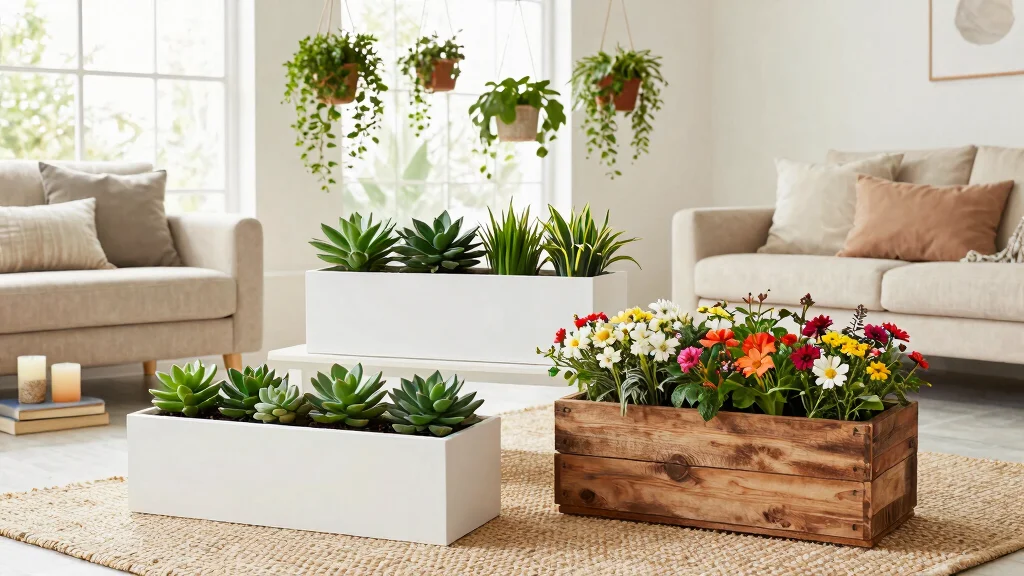
Creating a cozy green space indoors has become a popular trend for many people. With the shift toward more sustainable living, indoor gardening offers a refreshing way to breathe life into your home. If you’re like me, you might find yourself craving a touch of nature but struggling with limited space. That’s why I put together this list of indoor planter box ideas that not only fit your space but also look effortlessly built-in.
If you’re someone who adores home decor and gardening, you’ll love this post. Whether you live in a tiny apartment, a cozy studio, or just have a small part of your home that needs some greenery, these ideas are designed with you in mind. You’ll discover practical, stylish ways to incorporate plants into your living space without sacrificing style or function.
By diving into these 11 indoor planter box ideas, you’ll gain inspiration to create beautiful displays that suit your tastes. From wall-mounted options to rustic wooden boxes, each idea is easy to implement and can elevate your home decor. You’ll walk away with practical tips that help you transform even the smallest corners into lush, inviting spaces.
Key Takeaways
– Explore 11 unique indoor planter box ideas that enhance your home’s aesthetics while maximizing space.
– Discover various planter box designs, including wall-mounted and multi-tiered options, for versatile decor.
– Learn practical DIY indoor planters techniques that encourage your creativity without needing expert gardening skills.
– Get indoor gardening tips that ensure your plants thrive even in limited spaces.
– Find out how these space-saving planters can not only beautify your home but also bring a sense of tranquility and well-being.
1. Wall-Mounted Planter Box
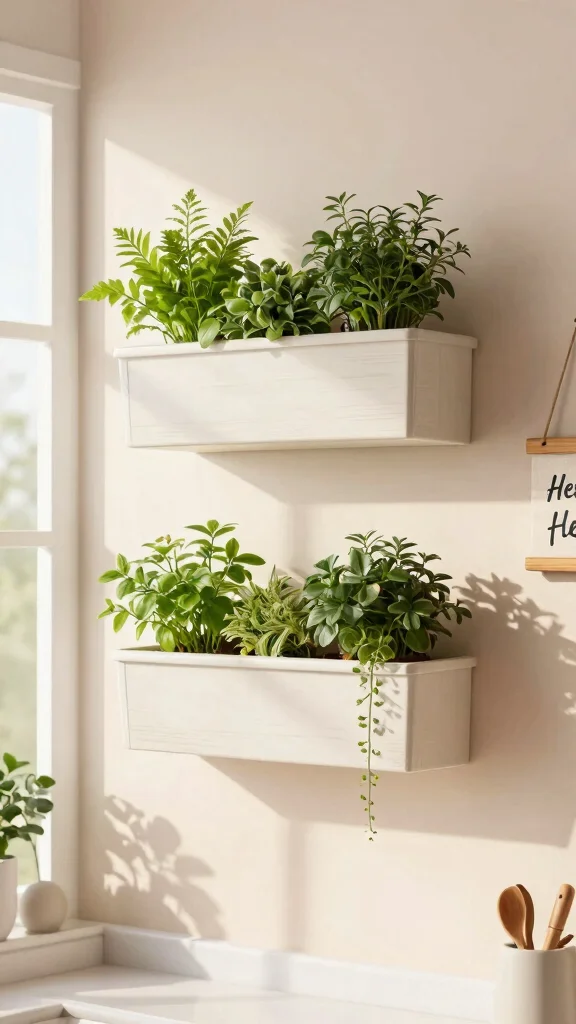
A wall-mounted planter box can completely transform your vertical space, making it an ideal choice for cozy apartments. This design showcases stunning greenery while conserving precious floor area, allowing you to enjoy nature from every corner of your home. Whether you opt for staggered heights, linear patterns, or a geometric layout, these planters can beautifully display trailing vines, vibrant flowers, or culinary herbs right in your kitchen.
To make the most of this design, select lightweight materials that are easy to mount. Ensure you have the right wall anchors for secure installation, especially on drywall. Self-watering options can also save you time and effort in maintenance, allowing your plants to thrive effortlessly.
Consider these tips for your wall-mounted planter box:
– Pair colorful planters with neutral walls for contrast
– Install them in groups for a dynamic visual effect
– Use trailing plants like pothos or ivy for added drama
– Incorporate herbs in the kitchen for easy access
This clever solution not only enhances your space but also brings a lush, green touch to your home, creating a serene environment through the use of natural elements.
Wall-mounted planter box ideas turn tiny apartments into green sanctuaries—no floor space sacrificed. Try staggered heights or a geometric layout to keep herbs, flowers, and vines within reach, right in your kitchen. With indoor planter box ideas, you bring nature into every corner of your home.
Difficulty Rating & Requirements
Overall Difficulty Rating: Medium
Creating DIY indoor planter boxes can be a fun yet moderate challenge. These projects are suitable for anyone with basic crafting skills and a little patience. If you have some experience with tools and materials, you’ll find this rewarding, but complete beginners may need some guidance along the way.
Time Estimate:
⏱ Estimated time: 4-8 hours
– Planning and Design: 1-2 hours for brainstorming and sketching your ideas.
– Material Gathering: 1 hour to pick up supplies from a local store.
– Building Phase: 2-4 hours depending on complexity and your pace.
– Final Touches and Planting: 1 hour for painting, drilling, or planting your chosen flora.
Skill Requirements:
– Required skills: Basic woodworking, painting, and creativity are essential. Familiarity with tools like a saw, drill, or paintbrush will be beneficial.
– Beginner-friendly: Yes, with the right guidance and tools. While some skills can be learned during the process, a few tasks may require supervision if you’re unfamiliar with tools.
– Skills that can be learned include measuring, cutting, and assembling. Skills requiring experience might involve intricate designs or woodworking techniques.
Tools & Materials Needed:
🧰 Essential items checklist:
– Wood (1×4 or 1×6 boards): Required for building the planter box.
– Screws or nails: Required to hold the structure together.
– Drill and drill bits: Required for assembling and adding drainage holes.
– Saw (hand saw or miter saw): Required for cutting wood to size.
– Sandpaper: Required to smooth edges and prevent splinters.
– Paint or wood stain: Optional for aesthetic appeal.
– Plastic liner (for drainage): Optional but recommended to protect the wood.
– Plants and potting soil: Required for completing your indoor garden.
Step-by-Step Overview:
1. Design and Plan (1-2 hours): Start by deciding the size and style of your planter box. Sketch your design or use a template for guidance.
2. Gather Materials (1 hour): Make a shopping list based on your design and head to your local hardware store or garden center.
3. Construction (2-4 hours): Measure and cut wood to your desired dimensions. Assemble the pieces using screws or nails to create the box. Drill drainage holes for your plants.
4. Finish (1 hour): Sand the edges to avoid splinters. If desired, paint or stain the box for a polished look.
5. Planting (1 hour): Line the box if necessary and fill it with soil. Plant your flowers or herbs, giving your indoor space a refreshing touch.
Professional vs DIY: Rough cost comparison and when to hire help.
Hiring a professional to create custom planter boxes can range from $200 to $600, depending on materials and complexity. Doing it yourself could cost between $50 to $150 for materials, making it a budget-friendly option. If you’re unsure about your skills, consider starting with simpler designs or asking a knowledgeable friend for assistance.
2. Multi-Tiered Planter Box
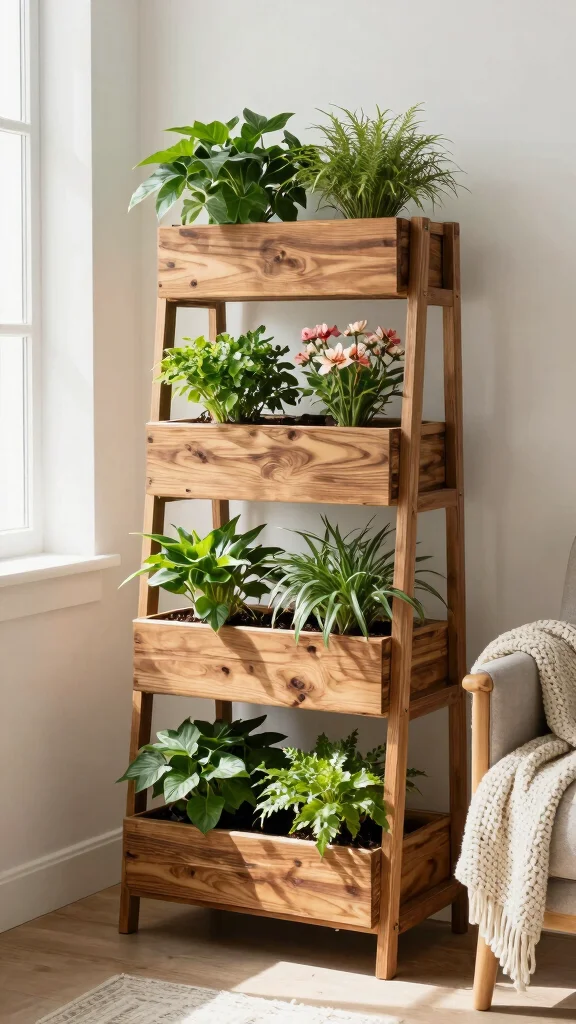
Multi-tiered planter boxes are an exciting way to create depth and visual interest within your indoor garden. This design allows you to display various plants at different heights, ensuring that each one receives the sunlight it needs while making a bold statement in any room. Crafted from wood, metal, or even repurposed materials, these planters can match any aesthetic beautifully.
To maximize your space, consider utilizing weatherproof wood or pallets for durability. Sketch out your tier layout to ensure stability as you assemble your planter. Remember to drill drainage holes in each level to keep your plants healthy and thriving.
Follow these steps to build your multi-tiered planter box:
– Gather materials like weatherproof wood or pallets
– Design your tier layout for an appealing look
– Cut and assemble wood pieces securely
– Add drainage holes for plant health
– Plant a mix of flowers and greens for variety
This design not only serves a functional purpose but also becomes an eye-catching feature that enhances the overall atmosphere of your indoor garden.
3. Under-Bed Planter Box
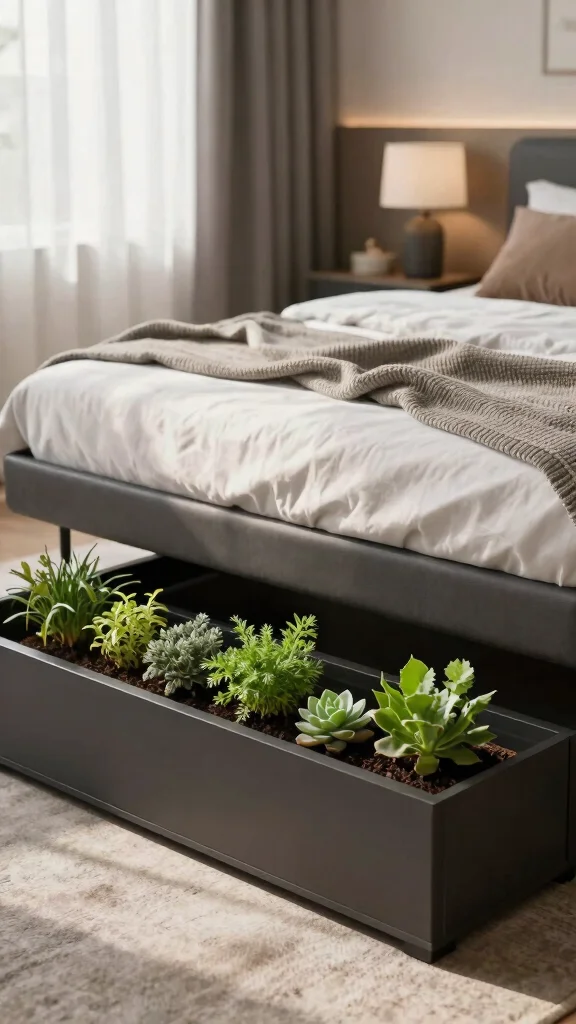
If space is at a premium, under-bed planter boxes can be an ingenious solution to maximize your indoor gardening efforts. These clever designs utilize the often-overlooked area beneath your bed, allowing you to cultivate plants without sacrificing valuable living space. Shallow boxes can easily slide in and out, making it simple to care for your plants.
This concept is particularly beneficial for small apartments, where every inch counts. It keeps your plants out of direct sight, contributing to a clean and minimalist aesthetic. Plus, with the right care, these planters can thrive in their tucked-away environment.
Here’s how you can create under-bed planters:
– Measure the space to ensure a good fit
– Choose low-rise planters that slide easily
– Select compact plants like herbs or succulents
– Set up drainage holes to prevent overwatering
– Position them under the bed for easy access
This innovative approach not only saves space but also encourages more urban dwellers to embrace indoor gardening in style.
4. Repurposed Crate Planter Boxes
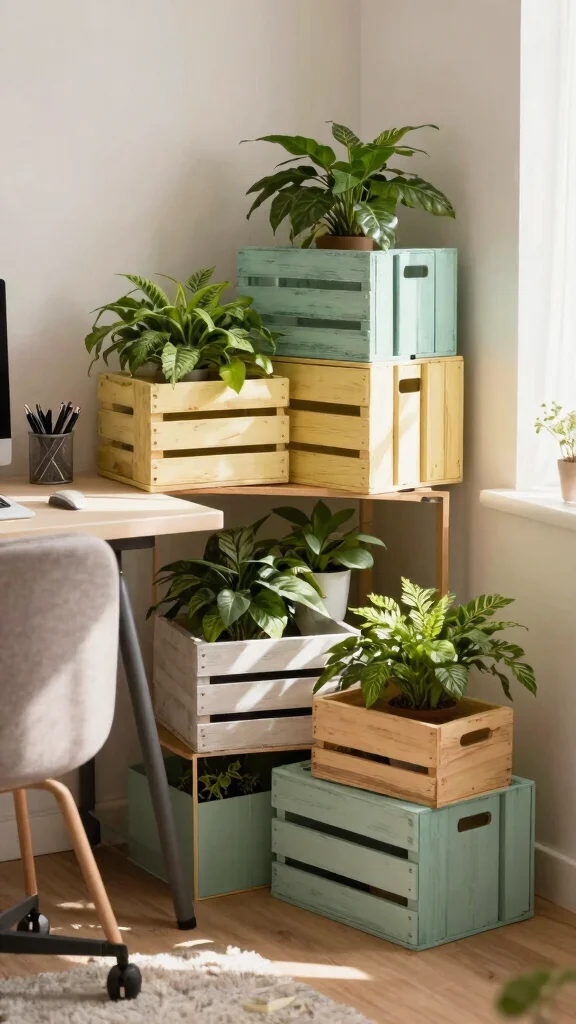
Repurposed crates offer a charming and eco-friendly way to introduce indoor planters into your home. Their rustic appeal adds character, and they can be easily customized to fit your personal decor style. Perfect for showcasing larger plants or grouping smaller ones, you can paint or stain these crates to harmonize with your interior.
This approach is both sustainable and budget-friendly, allowing you to create unique displays without breaking the bank. Their versatility means they can accommodate various plant sizes, making them a practical choice for your indoor garden.
Consider these steps to create your crate planter:
– Find wooden or plastic crates at thrift stores
– Clean and prepare them for planting
– Paint or stain to match your decor style
– Add drainage holes for plant health
– Fill with soil and arrange your plants
These delightful planters enhance not only your indoor garden but also infuse your home with personality and warmth.
5. Hanging Planter Box
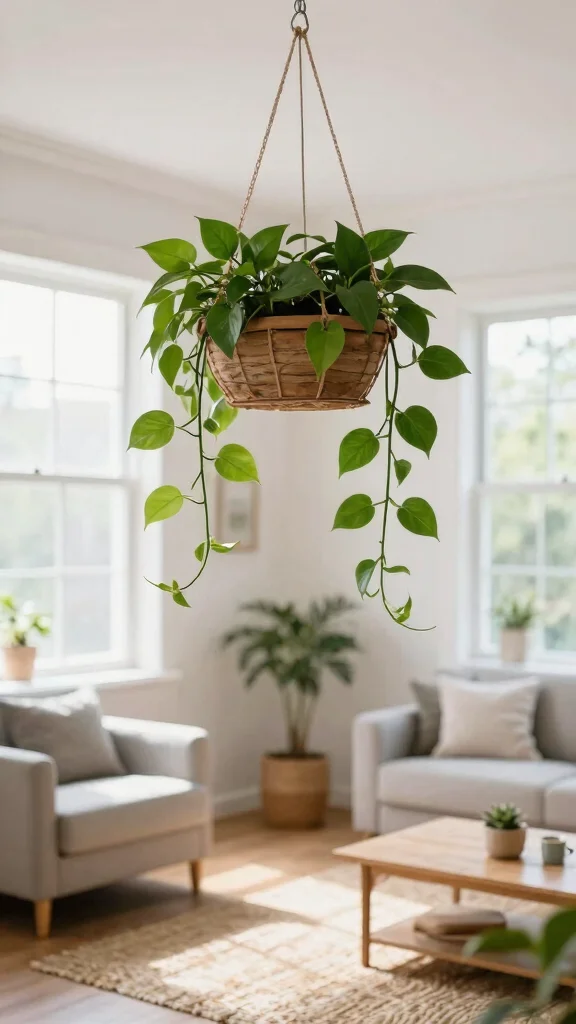
Hanging planter boxes are perfect for those who wish to incorporate greenery into their living space without occupying any surface area. These planters can be suspended from the ceiling, window frames, or mounted on walls, offering an elegant solution for displaying trailing plants like ivy or pothos. The cascading effect they create adds a touch of nature indoors.
This design is a great way to save floor space while enhancing visual interest throughout your home. With proper hanging techniques, maintenance becomes a breeze, allowing you to enjoy your plants without hassle.
Here are some tips to create your hanging planter box:
– Select a lightweight planter with adequate drainage
– Choose sturdy hanging methods like macrame or chains
– Determine placement for optimal light access
– Fill with soil and your favorite trailing plants
– Hang securely and enjoy your lush greenery
This stylish addition can instantly elevate any room, making it feel alive and vibrant.
Fun fact: Hanging planter boxes are one of the top indoor planter box ideas for small spaces, freeing floor space while adding up to 40% more visual greenery. With proper hanging tech, you can display ivy or pothos from ceilings, windows, or walls.
6. Tiered Ladder Planter Box
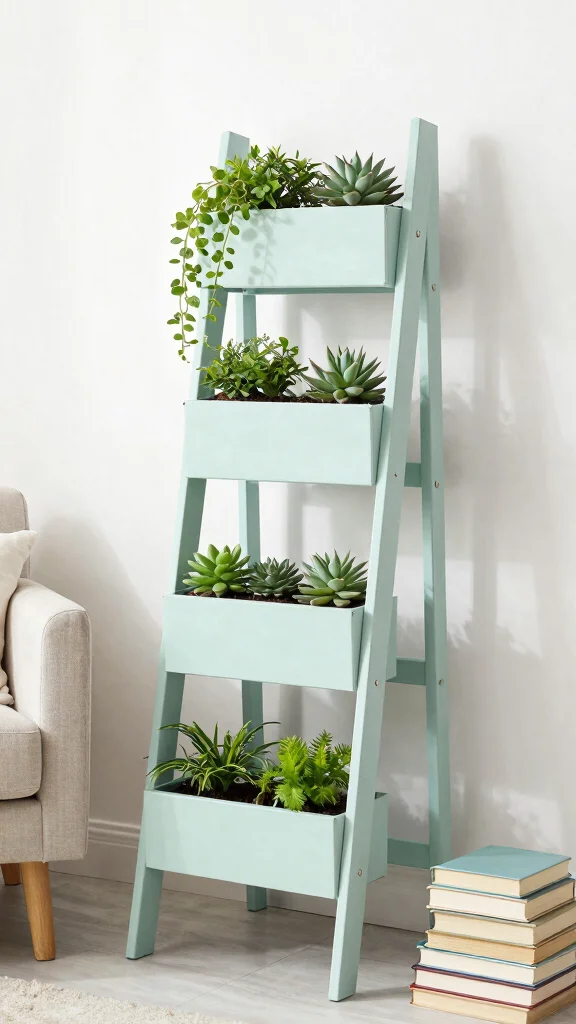
A tiered ladder planter box is a creative way to showcase your plants while utilizing vertical space effectively. Resembling a ladder, each step serves as a planter, allowing for a picturesque display that can enhance any small area. This design adds height and dimension, making it an attractive focal point in your home.
With the right materials, you can create a rustic or modern look that fits your decor. The flexibility of this planter allows you to rearrange it easily, keeping your space feeling fresh and dynamic.
Follow these steps to build your tiered ladder planter box:
– Choose wood for a rustic feel or metal for a modern touch
– Cut wood to create rungs and sides as needed
– Assemble securely to ensure stability
– Attach planters or containers to each rung
– Fill with soil and varied plants for visual appeal
This striking design not only optimizes space but also cultivates a stunning indoor garden display that delights the eye.
7. Rustic Wooden Box Planter
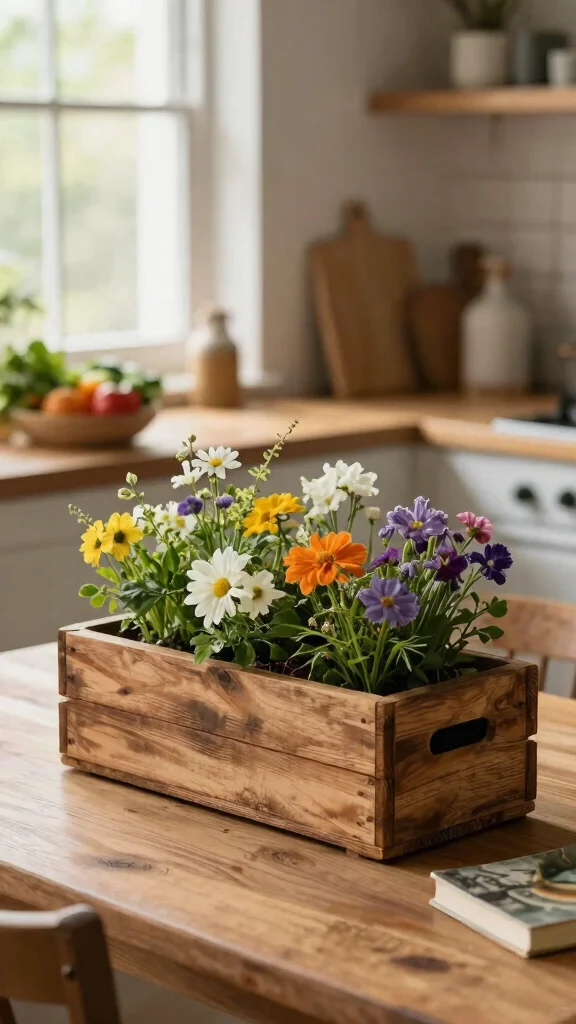
Rustic wooden box planters bring an earthy and inviting vibe to any indoor space. Whether hand-crafted or bought, these planters often feature natural imperfections that add to their charm. They accommodate a variety of plants, from flowers to herbs, blending seamlessly with home decor styles from farmhouse to bohemian.
These planters not only add warmth and texture to your living area but also offer versatility for different types of plants. They can be placed on tables, shelves, or even the floor, making them a practical choice for any home.
Here’s how to create your rustic wooden planter box:
– Select reclaimed wood for an authentic touch
– Cut to your desired dimensions for planting
– Assemble by nailing or screwing pieces together
– Optionally treat with a wood sealer for durability
– Fill with soil and your chosen plants
This rustic design creates a warm atmosphere, enhancing your indoor garden’s beauty and inviting nature indoors.
Did you know a 12-inch rustic wooden box planter can hold up to 5 herbs? It’s one of the indoor planter box ideas that brings warmth and a built-in vibe to small spaces.
8. Glass Terrarium Planter Box
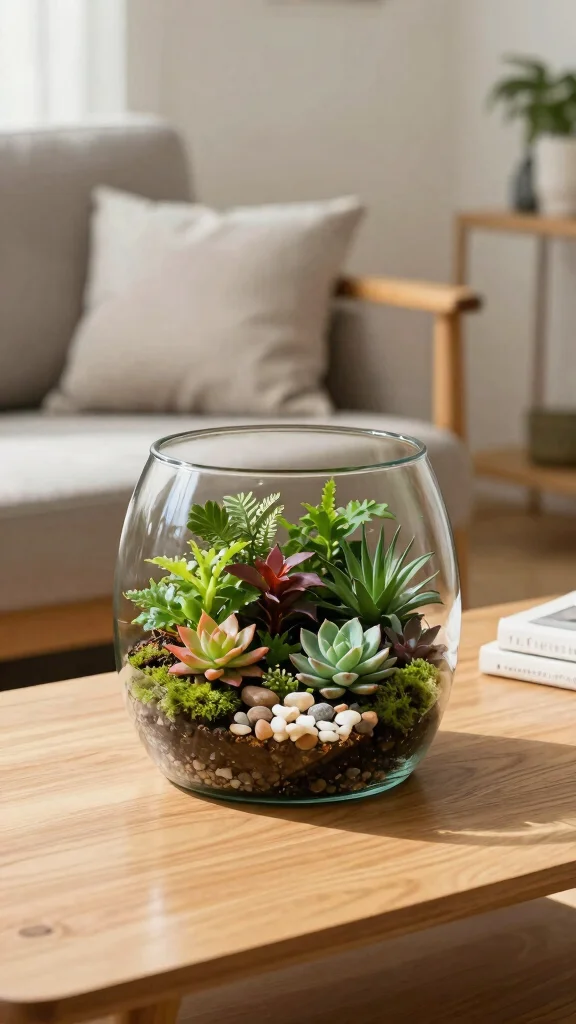
Glass terrariums present a modern twist on indoor gardening, offering a unique way to display small plants like succulents or air plants. These enclosed ecosystems not only protect your plants but also serve as stunning decor pieces that elevate any room’s aesthetic. Their visibility allows for creative arrangements while maintaining a clean, contemporary look.
Terrariums create a mini-garden effect, making them ideal for limited spaces. They are also easy to care for, requiring minimal maintenance while providing a captivating focal point on tables or shelves.
To create your glass terrarium, follow these steps:
– Select a clear glass container, like a jar or bowl
– Layer small pebbles at the bottom for drainage
– Add activated charcoal for freshness
– Use suitable potting mix for your plants
– Plant and decorate with pebbles or moss
These terrariums not only enhance your decor but also foster a delightful ecosystem that can be fun to maintain.
9. Stylish Drawer Planter Box
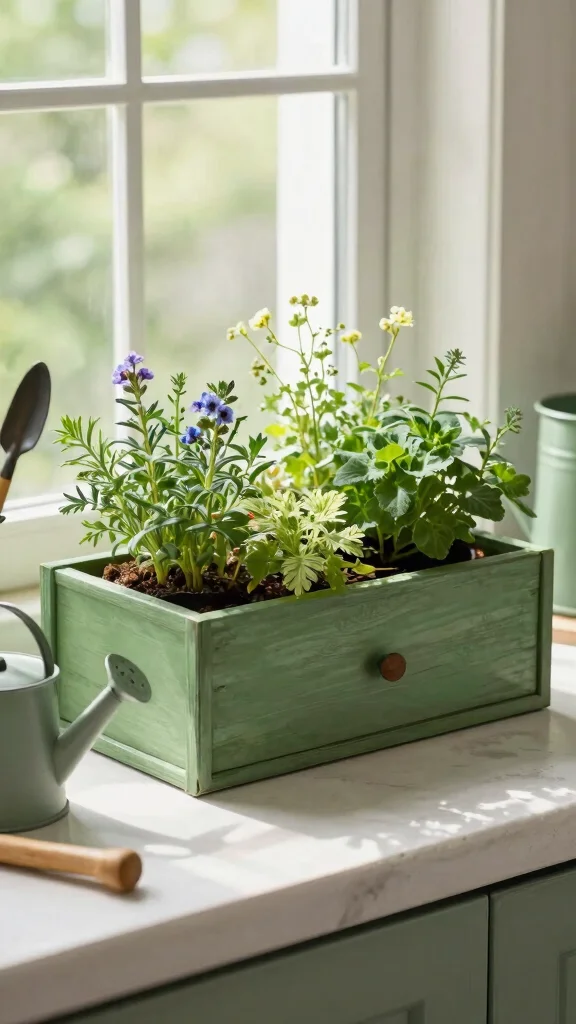
Transforming old drawers into planter boxes is a fantastic way to add character to your indoor space while recycling materials. This creative idea is perfect for displaying larger plants or creating a cozy herb garden in your kitchen. Simply refurbish the drawer with a coat of paint or stain to match your decor, then fill it with your favorite plants.
Using old drawers is both eco-friendly and budget-friendly, allowing you to create unique planters that reflect your style. The customization options are endless, making it easy to incorporate them into your decor.
Follow these steps to create your drawer planter:
– Find an old drawer from thrift stores or your home
– Clean and refurbish, sanding down rough edges
– Apply your desired paint or stain
– Drill drainage holes for healthy plants
– Fill with soil and plant your selections
This innovative approach not only saves on materials but also adds a charming touch to your indoor garden.
10. Edible Indoor Planter Box
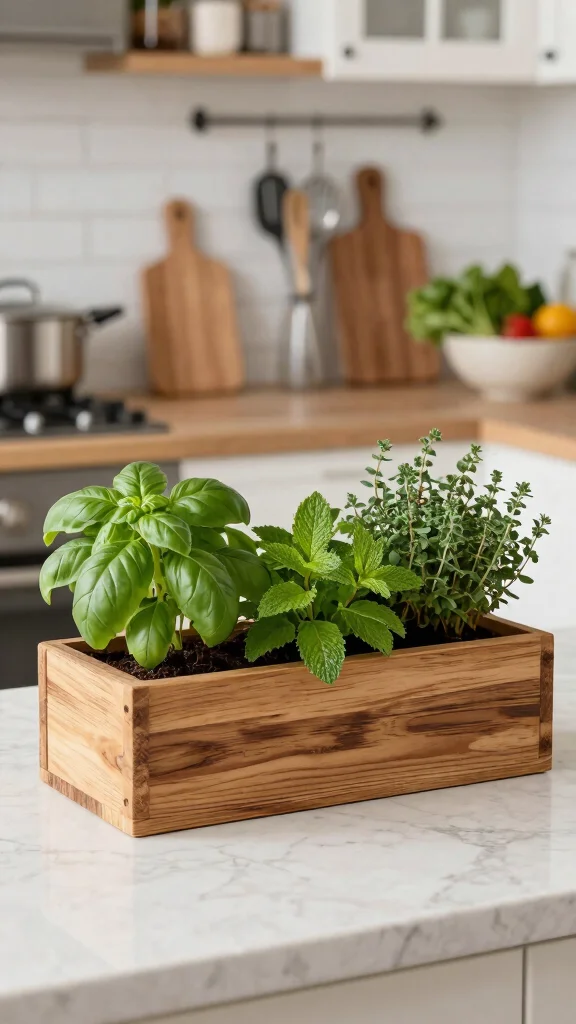
Creating your own indoor edible garden is a rewarding and practical way to enjoy gardening year-round. An edible indoor planter box is perfect for growing fresh herbs like basil or mint and even small vegetable plants. This hands-on approach enhances your culinary skills while bringing a vibrant touch to your kitchen decor.
Having fresh produce at your fingertips promotes healthy eating, and these planters can easily fit into your kitchen space. They require minimal maintenance, allowing you to enjoy gardening without much fuss.
Here’s how to create your edible indoor planter box:
– Select a container with enough depth for root growth
– Use nutrient-rich potting soil suitable for edibles
– Choose herbs or vegetables based on light and space
– Fill the container and position it for optimal sunlight
– Regularly water and care for your plants
This indoor planter box not only beautifies your kitchen but also provides fresh, homegrown ingredients right at your fingertips.
11. Minimalist Concrete Planter Box
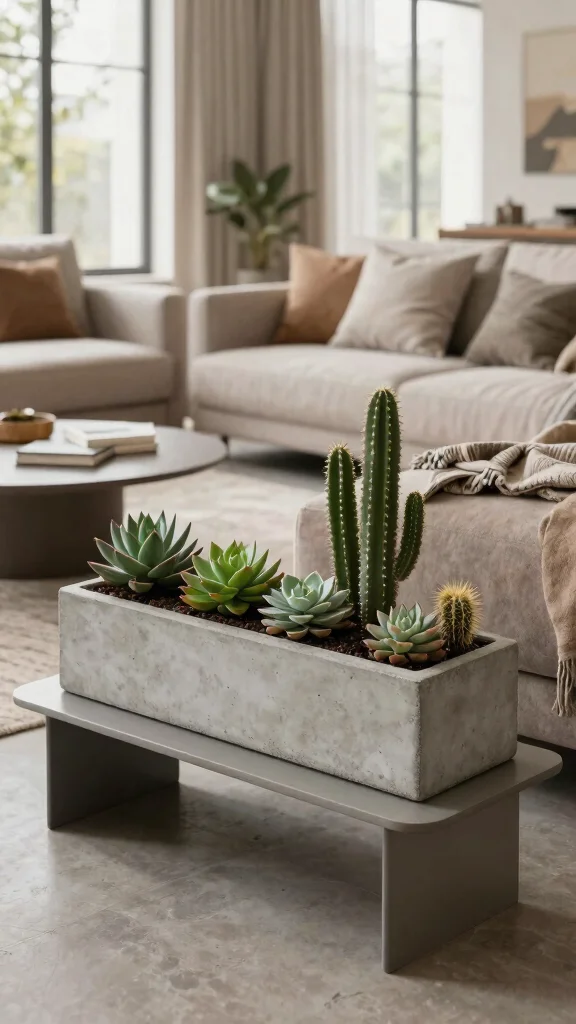
Concrete planters are gaining popularity for their sleek, modern appeal. These minimalist planter boxes can complement any decor style and are particularly well-suited for showcasing succulents or cacti. Their durability ensures they last while adding a chic touch to your indoor garden.
The industrial look of concrete provides excellent drainage and airflow for your plants, making it a practical choice for indoor gardening. If you enjoy DIY projects, making your own concrete planter can be a satisfying endeavor.
To create your minimalist concrete planter box, follow these steps:
– Gather supplies like concrete mix and a mold
– Prepare the mold by lining it with plastic
– Mix the concrete according to instructions
– Pour into the mold and let it cure for a few days
– Demold and fill with soil and your favorite plants
These modern concrete planters bring a fresh vibe to your indoor garden, making them perfect for those who appreciate clean lines and simplicity.
Conclusion
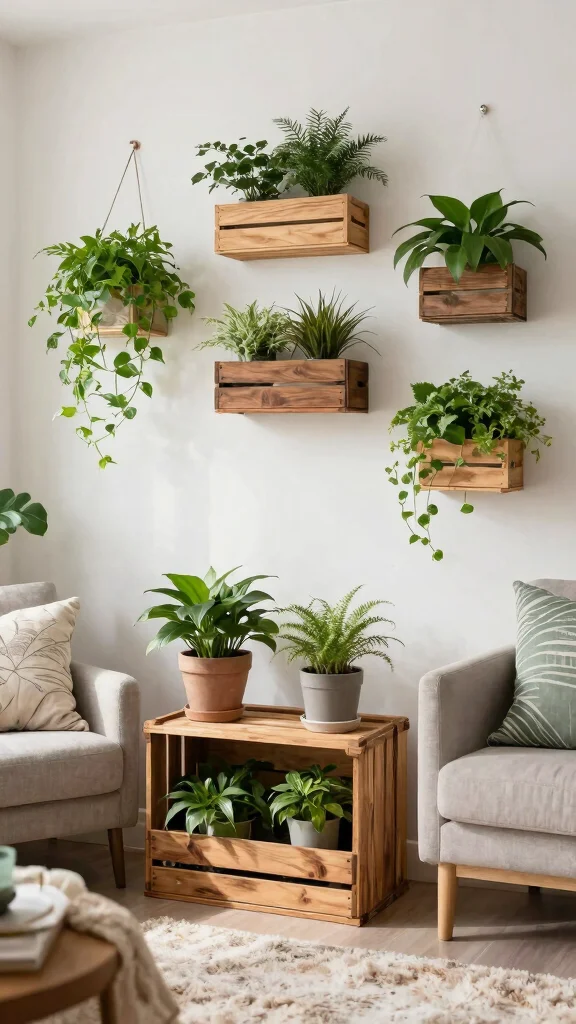
Finding the perfect indoor planter box design for your space can transform your home into a green oasis. With these creative ideas, you can maximize your small space while showcasing your love for plants. From rustic wooden boxes to modern concrete designs, there’s something here for every style and skill level. Don’t hesitate to experiment and make these planter boxes your own! Now’s the time to bring some greenery indoors and enjoy the benefits of indoor gardening.
Note: We aim to provide accurate product links, but some may occasionally expire or become unavailable. If this happens, please search directly on Amazon for the product or a suitable alternative.
This post contains Amazon affiliate links, meaning we may earn a small commission if you purchase through our links, at no extra cost to you.
Frequently Asked Questions
What Are the Best Indoor Planter Box Ideas for Small Spaces That Look Built-In?
Want indoor planter box ideas that maximize every inch while still looking like a built-in feature? Start with wall-mounted planters and window boxes to free floor space, then go vertical with a tiered or ladder-style setup. A corner shelf or a slim console with integrated planters can read as a built-in element even if it isn’t permanently fixed. To keep the look cohesive, choose a planter box design and material that matches your existing decor and color palette for true home decor gardening appeal.
Practical steps: 1) measure your space and pick planters with a slim profile so they don’t crowd walkways. 2) use drainage trays or liners and, if possible, opt for self-watering options to reduce maintenance. 3) group planters of similar height and color to create a seamless, built-in feel. 4) select plants using indoor gardening tips for low-light or bright conditions, depending on your space.
How Can I Choose Materials and Finishes to Make DIY Indoor Planters Look Built-In?
Choosing the right materials is the secret to a seamless look. Consider wood tones that match your furniture, or painted MDF and veneer that blend with walls for a built-in vibe. If you love a stone or concrete feel, fiberglass or cement-look planters are great options. Keep the indoor planter box ideas unified by using the same finish on all boxes and hidden mounting hardware where possible. Also plan for drainage: use a tray or liner that fits snugly and protects walls and floors.
Practical steps: 1) pick a material and color that echo your room’s palette, 2) hide hardware for a clean edge, 3) ensure drainage is protected with trays to prevent mess, 4) consider humidity-friendly finishes for kitchens or bathrooms.
What Are Space-Saving Tips for Placing Indoor Planter Boxes Without Clutter?
Maximize small spaces with vertical and modular strategies. Try wall-mounted modules or a ladder-style shelf with evenly spaced planter boxes to build a living feature up the wall. Use slim corner units to fill awkward corners, and pair several planters on a single floating shelf to keep surfaces clear. Tie the look together with a cohesive color or material to enhance the sense of space, a key space-saving planters principle and indoor planter box ideas that don’t overwhelm.
Practical steps: 1) measure light and place plants that fit their light needs, 2) choose planters with a shallow depth for narrow walls, 3) group planters in clusters of 2–3 rather than singles, 4) use under-shelf lighting to brighten without adding clutter.
How Do I Maintain Indoor Planter Boxes and Prevent Overwatering in a Small Space?
Maintenance is easier when you set up smart watering and drainage from the start. Use planters with drainage holes and a dedicated saucer or tray to catch excess water. Choose well-draining potting mix and consider self-watering planters or a built-in reservoir for tight spots. To avoid root rot, check soil moisture before watering and don’t let pots sit in standing water. Clean leaves and prune regularly to keep plants healthy and looking tidy.
Practical steps: 1) install moisture meters or use the finger test to time watering, 2) rotate plants for even growth, 3) refresh potting mix each season, 4) switch to drought-tolerant plants if you’re away often.
Can I Customize Planter Box Designs to Fit My Home Decor Style?
Absolutely. Start by defining your style—modern, rustic, industrial, or tropical—and pick a planter box design that echoes that vision. Enclose planters in a casing or trim that matches existing furniture, or keep them open for a breezy home decor gardening vibe. Color and finish are king: repaint or restain to match walls or cabinetry, and use hardware or edging to tailor the look. Add DIY touches like molding, decorative trim, or decorative metal accents to transform plain boxes into statement indoor planter box ideas.
Practical steps: 1) collect inspiration images, 2) choose materials and finishes that bridge your current furniture, 3) test a few DIY tweaks on scrap pieces before committing, 4) ensure drainage still works with any new design.
Related Topics
indoor gardening
DIY indoor planters
planter box design
small space solutions
home decor gardening
budget friendly
minimalist design
easy projects
beginner friendly
space-saving planters
modern decor
trending gardening