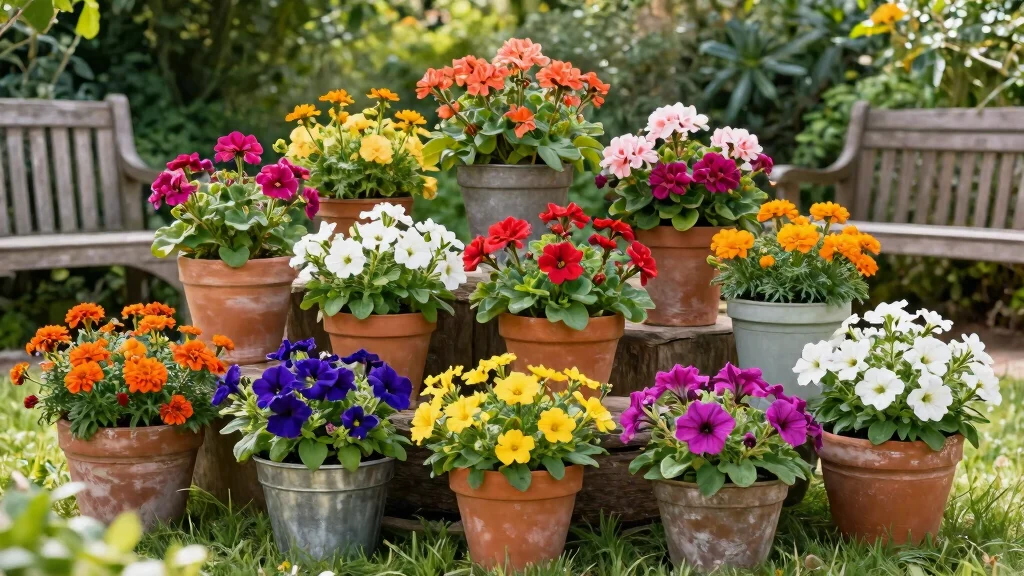
Creating a stunning flower bed can sometimes feel like a daunting task. You might be staring at your garden space, wondering how to add layers of beauty, height, and color. Well, you’re not alone! This post is inspired by that very challenge—how to elevate your garden aesthetics without breaking the bank or your back. If you’ve been craving ways to incorporate flower pots in flower beds, you’re in for a treat!
This guide is crafted for garden lovers at all levels—whether you’re a seasoned pro or just starting out. If you care about making your outdoor space more inviting and colorful, this post is for you. Expect to find 12 creative ideas that will transform your flower beds, utilizing container gardening techniques and innovative vertical gardening ideas. Each suggestion is designed to not only beautify your garden but also to provide instant structure and visual interest.
Get ready to explore an array of ways to bring life into your flower beds. From layering heights with tall planters to seasonal themes with vibrant flower pots, you’ll find practical tips that are easy to implement. By the end of this post, you’ll have a toolbox filled with ideas to create colorful flower arrangements that catch the eye and warm the heart.
Key Takeaways
– Explore creative flower bed design techniques that use flower pots for added height and structure.
– Discover how colorful pot combinations can enhance the aesthetics of your garden, making it more inviting.
– Learn about vertical stacking methods that save space while maximizing flower visibility.
– Find out how to incorporate rustic elements, such as wooden crates, to add charm and character.
– Get tips on using textured and hand-painted pots for a personal touch in your garden design.
1. Layered Heights with Tall Planters
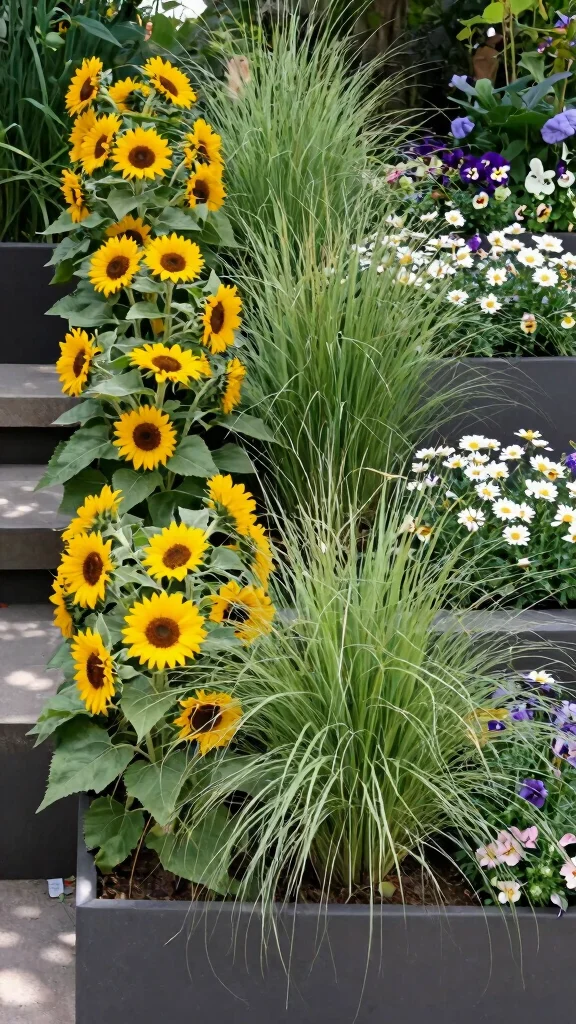
Are you looking to add stunning verticality to your flower bed? Tall planters can transform an ordinary garden into a captivating landscape. By selecting narrow, towering pots filled with vibrant sunflowers or graceful ornamental grasses, you can create a visual journey up into the sky, drawing the eye and adding depth to your space. This arrangement not only emphasizes height but also serves as a backdrop for shorter, colorful blooms below.
Start by choosing the right tall planters that suit your style. Consider placing them strategically along the edges for maximum impact while ensuring they have proper drainage to keep the roots healthy. Mix in a variety of plants to create a dynamic and lush atmosphere.
Key tips for selecting tall planters:
– Choose light colors to brighten up your garden.
– Combine different textures like ceramic and metal for added interest.
– Ensure your pots have drainage holes to promote healthy plants.
Embracing this layered approach instantly enhances your flower bed, making it visually appealing and vibrant.
How To Choose Flower Pots for Your Flower Beds
When selecting flower pots for your flower beds, consider various factors that can enhance your garden’s aesthetics and health. The right choice can add height, color, and structure to your garden while ensuring your plants thrive. Here’s a guide to help you make the best decisions.
1. Size Matters
Choosing the right size of flower pots is essential. Small pots can dry out quickly and may not provide enough room for root growth. On the other hand, oversized pots can retain too much moisture, leading to root rot. Generally, select pots that are at least 12 inches wide for most flowering plants. Consider the mature size of your plants to ensure they have enough space to grow.
2. Material Selection
Flower pots come in various materials, each with its pros and cons. Terracotta pots are porous and allow for good airflow, but they can dry out quickly. Plastic pots are lightweight and retain moisture, although they may not provide the same aesthetic appeal. Wood pots offer a rustic look but can deteriorate over time. Choose a material that suits your garden style and the needs of your plants.
3. Drainage Features
Proper drainage is crucial for healthy plant growth. Look for pots with drainage holes at the bottom to prevent water from pooling. If you choose a pot without holes, consider lining it with gravel to improve drainage. Adequate drainage helps avoid overwatering and encourages healthy root development, making it one of the key features to consider.
4. Aesthetic Appeal
Think about how the pots will fit into your overall garden design. Colorful flower pots can add visual interest and complement the flowers in your beds. For a cohesive look, consider pots that match your home’s exterior or the color palette of your flower arrangements. Experiment with different shapes and styles to create a unique garden aesthetic.
5. Budget Considerations
Flower pots can vary significantly in price. Set a budget before you start shopping to avoid overspending. While it might be tempting to choose the cheapest option, consider investing a bit more in quality pots that will last longer. Check local gardening centers or online retailers for sales to find the best deals that fit your budget.
6. Seasonal Flexibility
Select pots that allow you to change plants with the seasons. Some pots are designed for specific types of plants or seasons. For instance, consider lightweight plastic pots if you plan to move them around frequently. This flexibility enables you to refresh your flower beds easily and adapt to changing seasons.
Pro Tip: When placing pots in your flower beds, vary the heights and colors for a dynamic look. Use taller pots at the back and smaller ones at the front to create an eye-catching tiered effect. This method not only adds depth but also showcases your flowers beautifully.
With these guidelines, you can confidently choose the right flower pots for your flower beds. By considering size, material, drainage, aesthetics, budget, and seasonal flexibility, you’ll create a garden that is both beautiful and functional. Happy gardening!
2. Colorful Pot Combinations
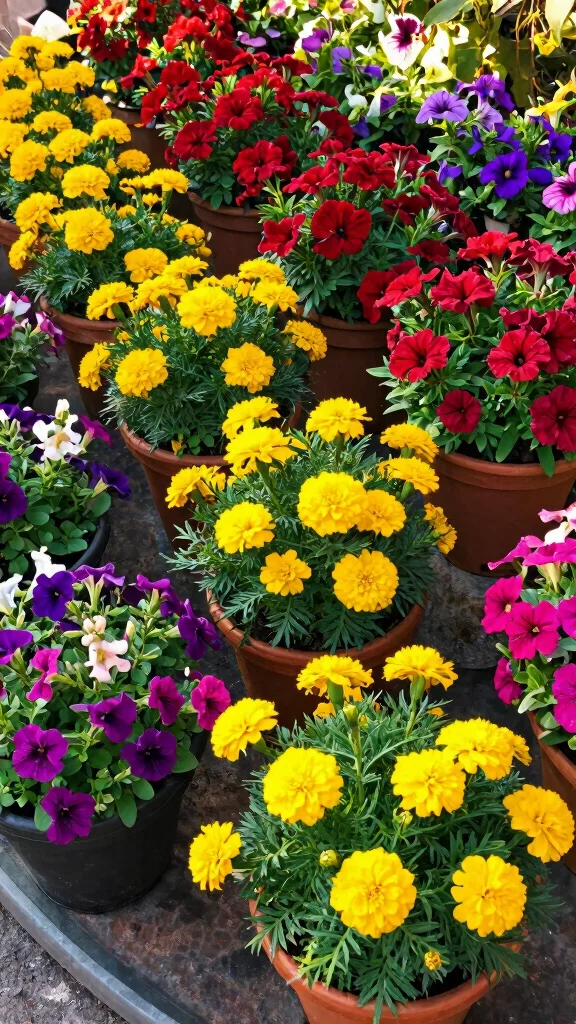
Are you ready to make your flower bed pop with color? Utilizing a variety of vibrant flower pots can create an enchanting display that captures attention and lifts spirits. Think about how contrasting colors can enhance your blooms; for instance, blue pots can highlight the warmth of orange marigolds, while sunny yellow pots can emphasize the richness of purple petunias.
Consider arranging your pots in themed groups to create a cohesive look. Whether you choose a sunset gradient or a cheerful rainbow, this method can elevate your garden’s beauty.
Suggestions for color groupings:
– Use warm tones like reds and oranges for lively energy.
– Incorporate cool tones such as blues and greens for a serene feel.
– Try monochromatic schemes for a sophisticated touch.
By playing with colors and shapes, you can craft a visually stunning garden that reflects your personal style.
Fun fact: High-contrast flower pots in flower beds can boost perceived bloom brightness by up to 25%. Pair blue pots with orange marigolds or sunny yellows with purple petunias to make your beds pop and feel taller.
3. Vertical Stacking
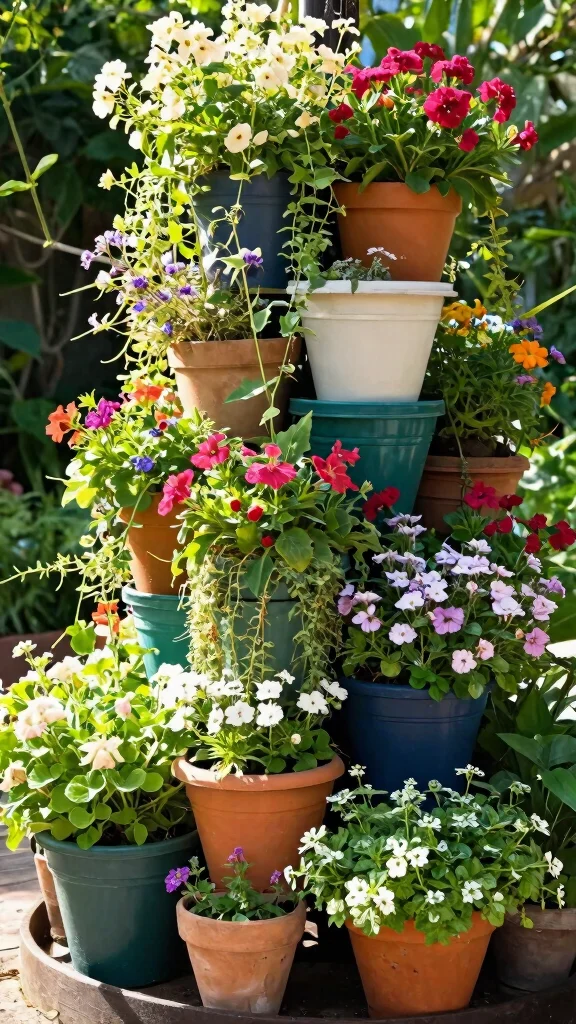
Short on space but eager to make a visual statement? Vertical stacking is an excellent solution for maximizing your flower bed’s potential! This technique involves placing smaller pots atop larger ones, creating a striking layered effect that draws the eye upward. It’s perfect for small gardens or patios where floor space is limited.
Use an assortment of pot sizes and colors to create an engaging focal point. Consider planting cascading flowers like ivy or trailing lobelia for an extra touch of elegance.
Pro tips for vertical stacking:
– Choose heavier pots for the bottom for stability.
– Consider a vertical planter frame for added support.
– Mix plant types in each stack for a vibrant look.
This approach not only saves ground space but also creates a captivating display that invites admiration.
4. Rustic Charm with Wooden Crates
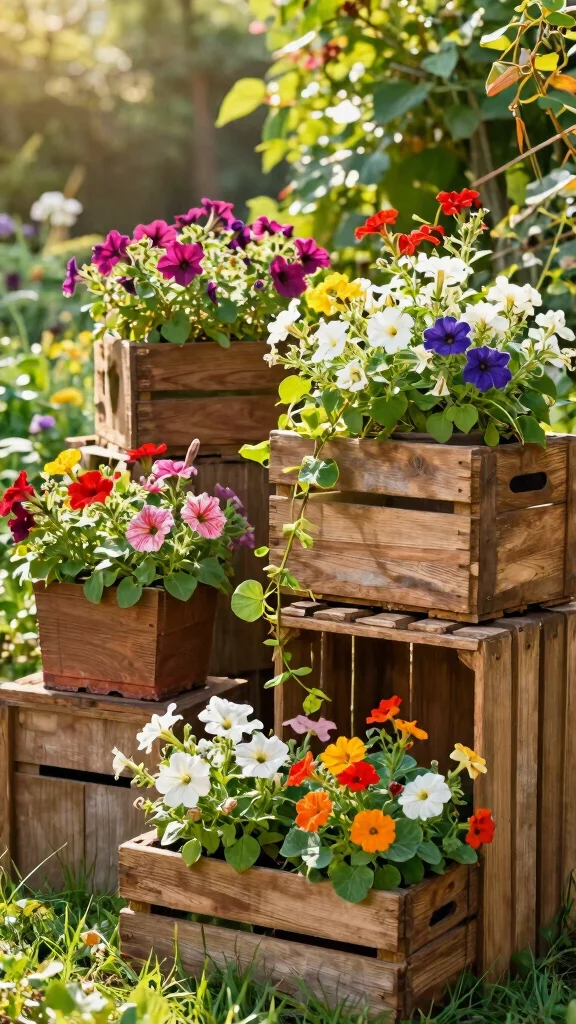
Bring a rustic vibe to your flower bed using wooden crates as unique planters. This charming trend not only adds height but also introduces a lovely texture that harmonizes with the natural landscape. You can stack crates or position them side by side, filling them with a delightful mix of blooms and trailing plants for a layered effect.
Opt for weathered crates for a rustic appeal, or paint them in soft pastels for a whimsical touch.
Creative ideas for using wooden crates:
– Elevate crates using bricks or stones for more height.
– Utilize smaller crates for herbs or petite flowers.
– Attach a trellis to a crate for climbing plants.
This charming approach adds personality and warmth to your garden, making it feel inviting.
5. Color Pops with Recycled Containers
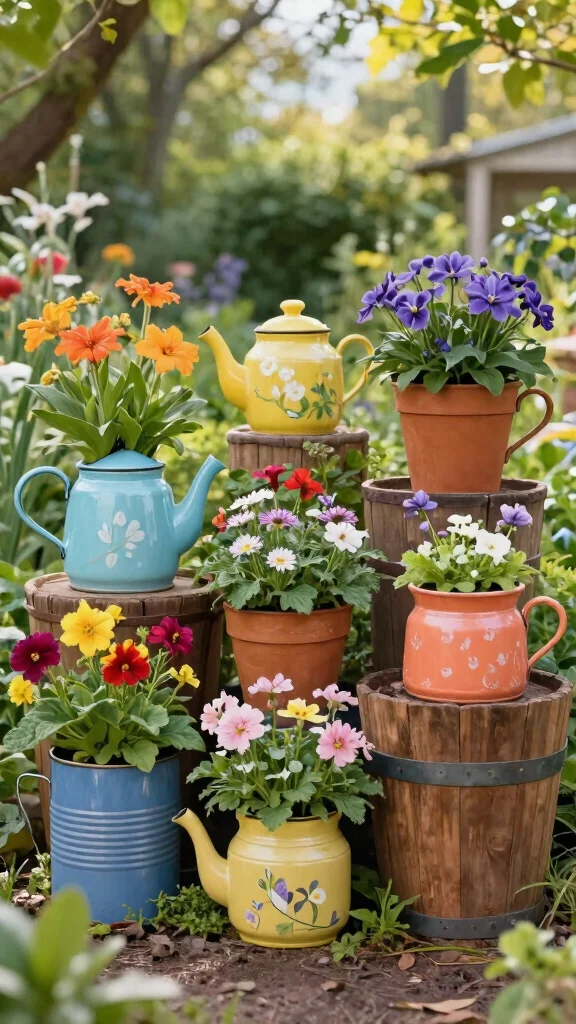
Unleash your creativity by transforming recycled containers into eye-catching flower pots! From vintage teapots to colorful tin cans, these quirky finds not only enhance your garden’s structure but also reflect your unique style. Fill them with bright blooms, and watch as they become delightful conversation starters.
To make your recycled items stand out, consider painting them in bold colors that catch the eye.
Tips for using recycled containers:
– Ensure proper drainage by adding holes.
– Group containers together for a cohesive and playful look.
– Choose plants like pansies or succulents that thrive in containers.
This eco-friendly idea lets you showcase your creativity while giving your garden a fun and whimsical flair.
6. Use of Hanging Pots
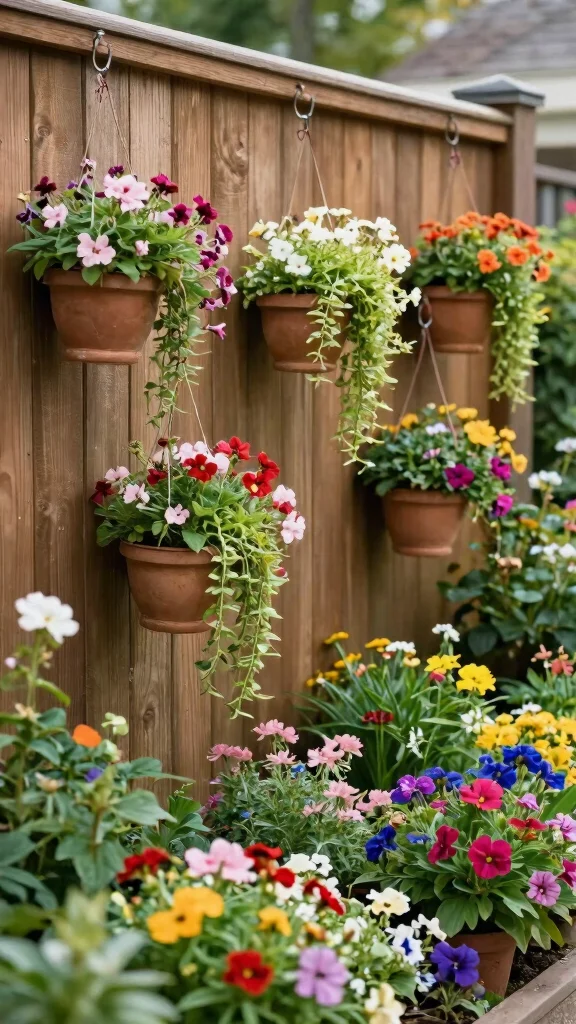
Imagine transforming your flower bed with hanging pots that add layers and depth without sacrificing ground space! These pots are perfect for trailing plants like fuchsia or ivy, which create a lush, romantic look as they cascade over the edges.
By hanging pots at different heights, you can establish visual intrigue and utilize wall space or fences for support.
Best practices for hanging pots:
– Securely fasten pots to prevent accidents.
– Choose lightweight plants for higher placements and heavier blooms for lower spots.
– Mix hanging pots with ground-level displays for striking contrasts.
This method adds a charming and vibrant touch to your flower bed, making it an enchanting space for all to enjoy.
7. Incorporate a Trellis
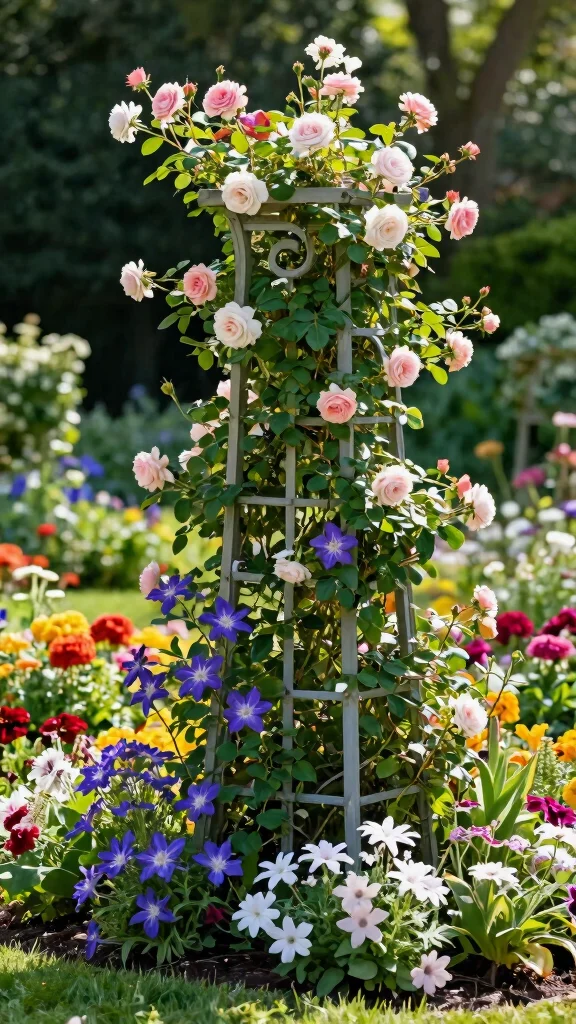
Enhance your flower bed with a trellis that supports climbing plants while adding an architectural element to your garden. Position a trellis at the back of your flower bed and plant climbing roses or clematis at its base. As these plants grow, they create a beautiful vertical backdrop for your blooms.
This not only adds height but also gives the illusion of a more expansive space.
Tips for trellis incorporation:
– Choose a trellis that matches your garden’s style, whether rustic or modern.
– Select plants suited for climbing and provide additional support as needed.
– Position the trellis for adequate sunlight for optimal growth.
Incorporating a trellis elevates your garden’s aesthetic while supporting your climbing plants beautifully.
8. Grouping for Impact
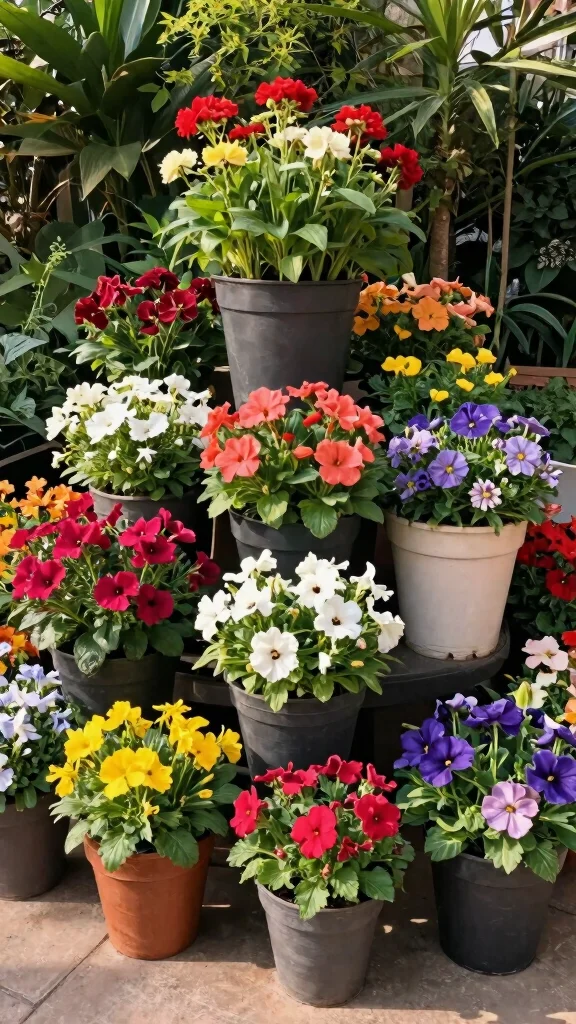
Creating visual impact in your flower bed is easy by grouping your pots strategically. Instead of scattering them randomly, cluster pots based on height, color, or variety to form captivating focal points. This not only draws the eye but also encourages exploration around your garden.
Thoughtful grouping enhances the overall aesthetics and creates a more curated feel.
Consider these grouping strategies:
– Use odd numbers for visual appeal, like threes or fives.
– Position taller pots in the back and smaller ones in the front for depth.
– Choose pots of the same color for a unified look or mix colors for vibrancy.
By grouping your pots thoughtfully, you can create a stunning garden that feels intentional and beautifully designed.
Fact: Odd-number groupings of flower pots in flower beds create more visual impact—threes, fives, or sevens draw the eye and invite closer exploration in your garden. Even simple color or height contrasts can turn a flat bed into a memorable focal point—ready to try this grouping today?
9. Use of Textured Pots
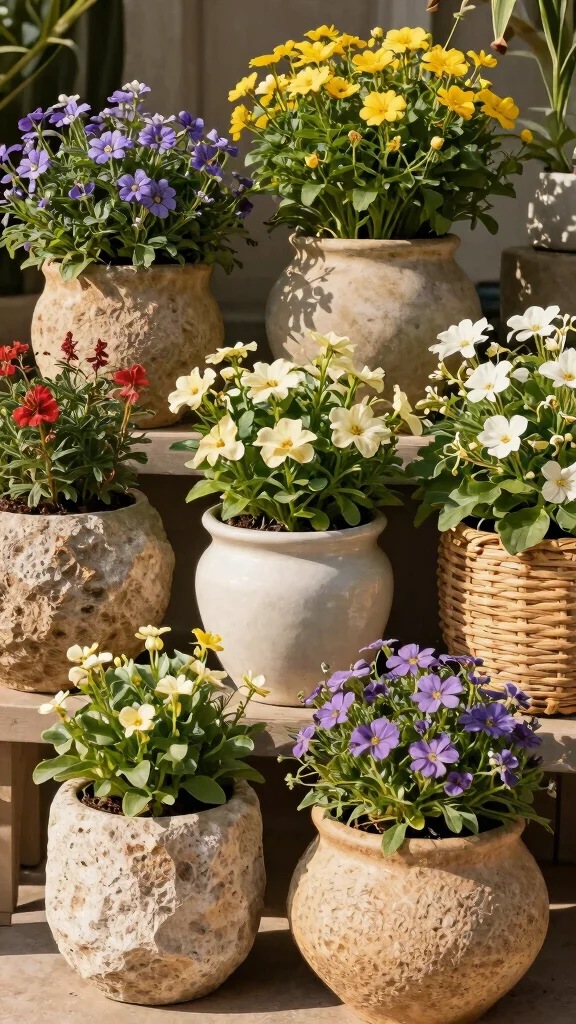
Adding pots with various textures can bring life and interest to your flower bed. From rugged stone to smooth ceramic, these textures enhance the beauty of your plants while complementing the natural elements of your garden. Mixing pots with different finishes can create a fascinating visual contrast.
Think about the textures you want to incorporate for a rich, layered look.
Textures to consider:
– Use rough stone for a rustic feel.
– Choose sleek ceramic for a modern touch.
– Incorporate woven materials for a boho vibe.
By mixing textures, you can create a dynamic garden aesthetic that captures attention and enhances your floral displays.
10. Seasonal Themes with Flower Pots
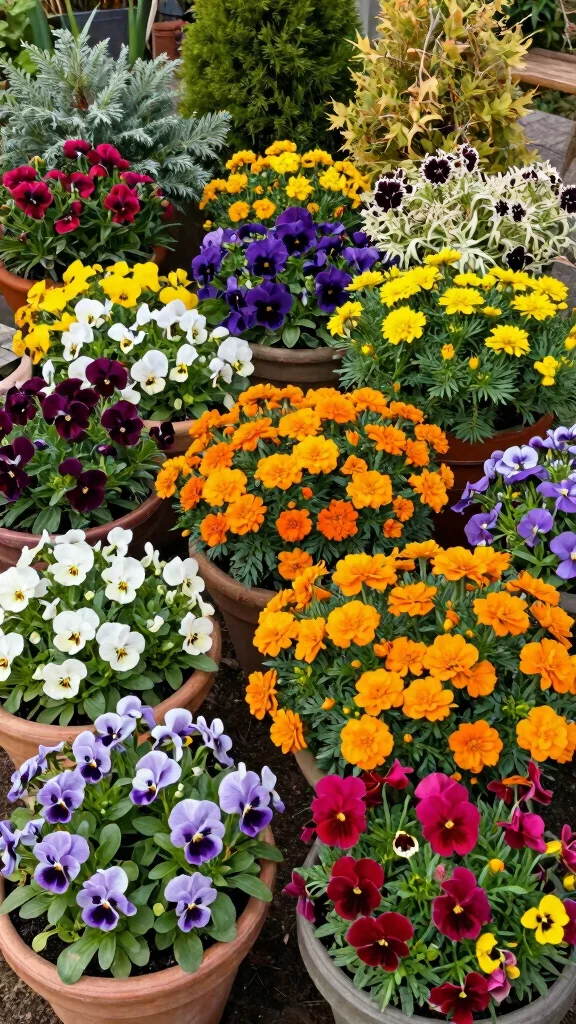
Keep your garden fresh and exciting by changing your flower pots with the seasons! Celebrate spring with fragrant pansies, summer with vibrant zinnias, autumn with warm marigolds, and winter with evergreen arrangements or festive decorations.
This approach allows you to play with colors and styles throughout the year, bringing new life to your garden.
Seasonal tips:
– Swap pots and blooms to match the season for a cohesive look.
– Incorporate seasonal decorations around the pots.
– Select hardy plants for winter that can withstand cooler temperatures.
Engaging in seasonal themes offers a dynamic and lively touch to your garden, keeping it visually appealing year-round.
11. Multi-Pot Towers
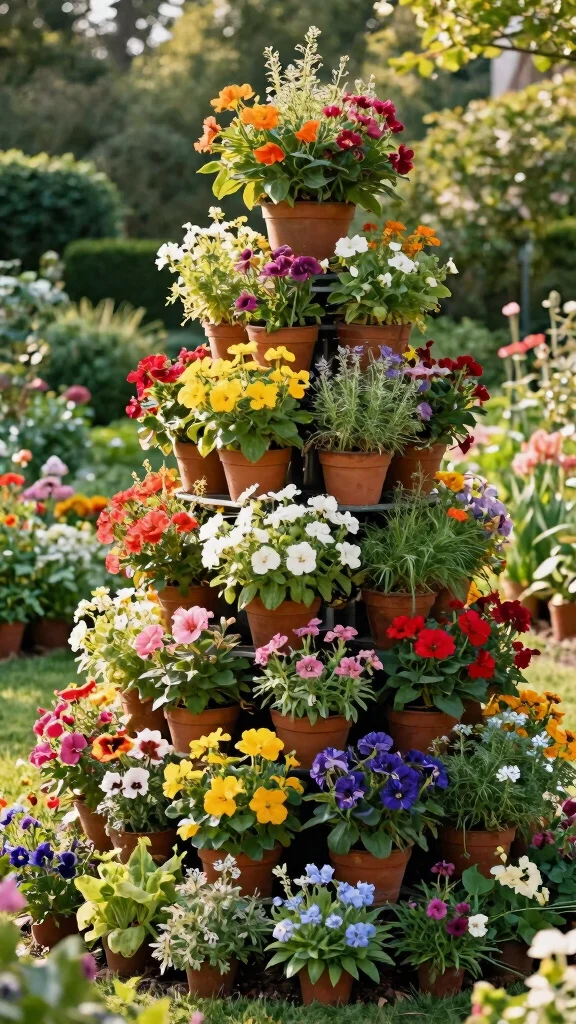
Maximize your vertical space with multi-pot towers for an eye-catching display! These structures allow you to stack multiple pots vertically, creating a unique and functional garden feature. You can buy pre-made towers or craft your own using materials like pallets or metal frames.
Fill each tier with different flowers or herbs for a burst of color and variety.
Benefits of multi-pot towers:
– Save ground space while making a bold statement.
– Perfect for urban gardens with limited space.
– Mix and match plants for creative combinations.
These towers can become the centerpiece of your garden, providing a stunning visual landscape that stands out.
12. Personal Touch with Hand-Painted Pots
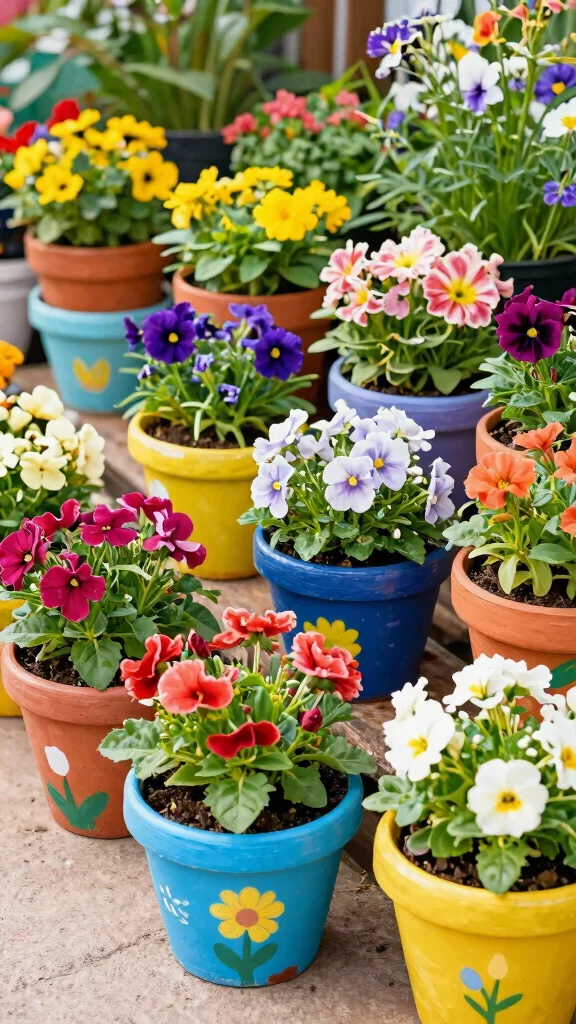
Add a unique flair to your garden with hand-painted pots! This fun activity allows you to express your creativity and enhance your flower bed’s aesthetics. Paint your pots in your favorite colors, patterns, or meaningful quotes to make your garden feel like home.
Involve family or friends in this delightful weekend project for a memorable experience!
Tips for hand-painting pots:
– Use outdoor paint to withstand the elements.
– Seal with a waterproof sealant for durability.
– Maintain a consistent theme for a unified garden look.
Personalizing your pots infuses warmth and charm into your garden, making it a welcoming space for everyone.
Fun fact: DIY hand-painted pots can boost garden pride by up to 40%. Involve family or friends on weekends, and your project becomes a memory that lasts longer than the season. With outdoor paint, your flower pots in flower beds stay vibrant year after year.
Conclusion
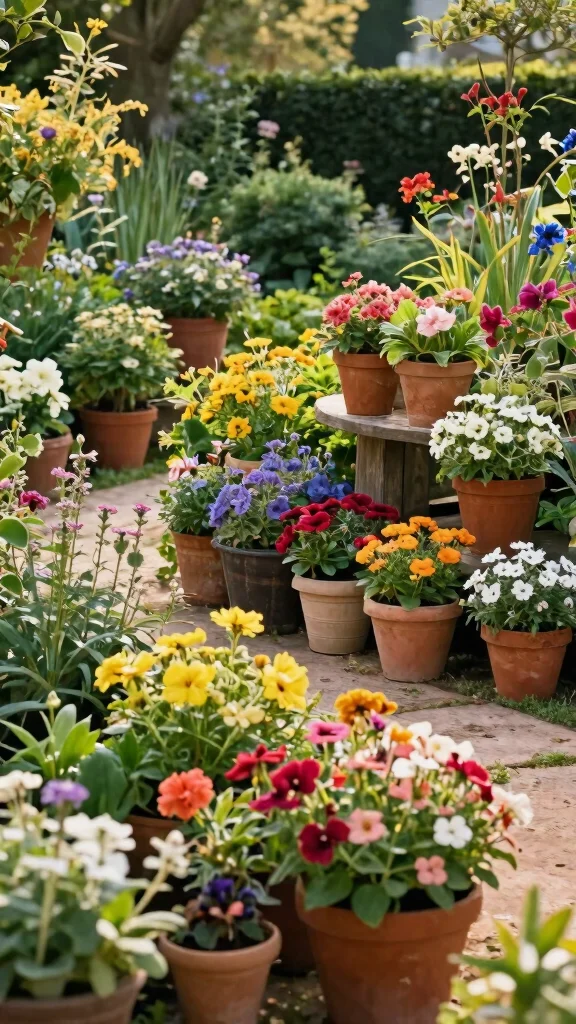
Utilizing flower pots in flower beds opens up a world of creativity and structure for your garden. From stunning vertical arrangements to quirky recycled containers, the possibilities are endless. Each idea explored not only enhances the visual appeal but also allows for personal expression in your gardening journey. As you experiment with these concepts, remember that the most beautiful gardens reflect the heart and soul of the gardener.
Note: We aim to provide accurate product links, but some may occasionally expire or become unavailable. If this happens, please search directly on Amazon for the product or a suitable alternative.
This post contains Amazon affiliate links, meaning we may earn a small commission if you purchase through our links, at no extra cost to you.
Frequently Asked Questions
How can I use flower pots in flower beds to add height and colour?
Start with a height plan: place tall pots at the back, medium heights in the middle, and trailing types at the front to create depth. Use sturdy, deep pots for stability and choose plants with strong stems for drama—think delphiniums, tall grasses, or gladiolus in pots. Add trailing companions like lobelia or ivy to spill over edges for softness. Keep a cohesive colour story by repeating 2–3 colours across different pots. This is a practical way to use flower pots in flower beds to add height, colour and instant structure.
Tip: group pots into diagonal or staggered lines to guide the eye through the bed and make the arrangement look intentional from different angles.
What are the best pots and plants for vertical gardening ideas in a flower bed?
Choose a mix of pot sizes and materials that stay stable in a garden bed—think chunky terracotta for warmth or durable resin for lighter weight. Ensure each pot has drainage holes. For plants, mix vertical statement-makers (delphiniums, foxgloves, tall grasses) with mid-height fillers (salvia, geraniums) and trailing accents (nasturtium, ivy). This aligns with container gardening and vertical gardening ideas. Consider sun or shade when pairing plants: sunny spots work well with petunias and zinnias; shady areas prosper with begonias and arrowhead vines. Practical steps: map your bed, assign each plant to a pot, and test the layout before planting.
How can I design a cohesive flower bed using pots to create instant structure?
Start with a unifying colour palette and a focal point in the bed. Use pots of similar shapes or colours to create rhythm, while varying heights to build instant structure. Place the tallest pots at the back or around the focal point, medium heights in the middle, and trailing varieties at the edges. Integrate a simple irrigation plan—drip lines or timed soaker hoses under the bed can help keep flower pots in flower beds hydrated. This approach blends flower bed design with garden aesthetics and makes a striking, instantly organized display.
Which plant selections help ensure lasting colour and easy maintenance when using pots in beds?
Aim for a mix of reliable annuals and perennials that suit your sun exposure. For lasting colour, try petunias, calibrachoa (million bells), geraniums, and begonias. For height and focal points, add delphiniums, phlox, or tall grasses. For foliage interest, include coleus or ornamental grasses. Repeat your core colour trio across different pots to keep the flower bed design cohesive and colorful flower arrangements harmonious. With thoughtful plant choices and regular deadheading, your flower pots in flower beds will deliver color all season with relatively little maintenance.
What practical tips help with drainage and longevity when placing pots in a flower bed?
First, ensure every pot has clear drainage holes and pair with a matching saucer or tray. Elevate pots slightly using pot feet or old bricks to allow air and prevent root rot. Use a well-draining potting mix enriched with compost and a splash of perlite for aeration. Consider grouping pots with a shared irrigation plan or installing a simple drip line to keep plants evenly watered. Mulch around the pots to retain moisture and suppress weeds. These steps help you maintain healthy plants and lasting colour when using flower pots in flower beds.
Related Topics
flower pots
flower bed design
vertical gardening
container gardening
colorful arrangements
garden aesthetics
easy gardening
creative landscaping
backyard ideas
seasonal flowers
beginner friendly
outdoor decor