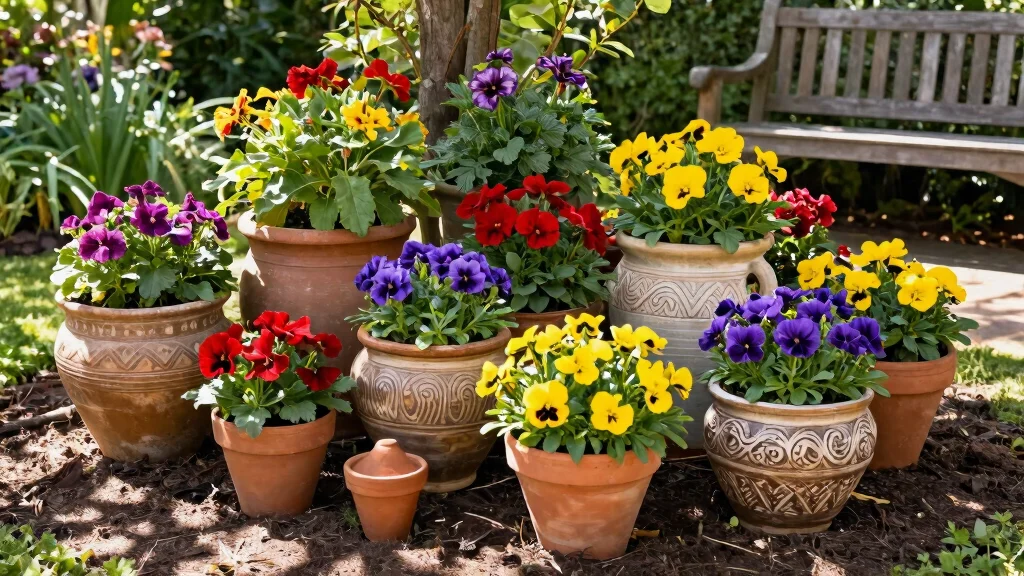
Creating a stunning flower bed can be a challenge, especially in small urban spaces. I made this post because I know how much joy vibrant colors and unique designs can bring to your garden, even if your outdoor area is limited. Using pots in flower bed landscaping is an excellent way to introduce depth and instant color, creating a lively and inviting space that reflects your personal style.
If you’re someone who loves gardening but feels constrained by urban living, this guide is for you. Whether you’re a seasoned green thumb or just starting out, you’ll find practical ideas that will make your flower beds pop. I’ve gathered twelve creative tips that are easy to implement, budget-friendly, and sure to add that extra touch of charm to your outdoor oasis.
So, get ready to explore how you can use pots in flower beds to create a beautiful, layered effect with colorful flower arrangements. With the right placement and design, you’ll be able to transform even the smallest of spaces into a vibrant display of nature’s beauty.
Key Takeaways
– Using pots in your flower beds can add instant depth and color, enhancing the overall design of your garden.
– Create a colorful focal point by grouping pots with different plants that complement each other.
– Varying heights in your flower bed design helps create visual interest and draws the eye around the space.
– Integrating edible plants into your pot arrangements not only looks great but also offers functional benefits for your garden.
– Regularly rotating seasonal plants in your pots keeps your flower bed fresh and interesting throughout the year.
1. Create a Colorful Focal Point
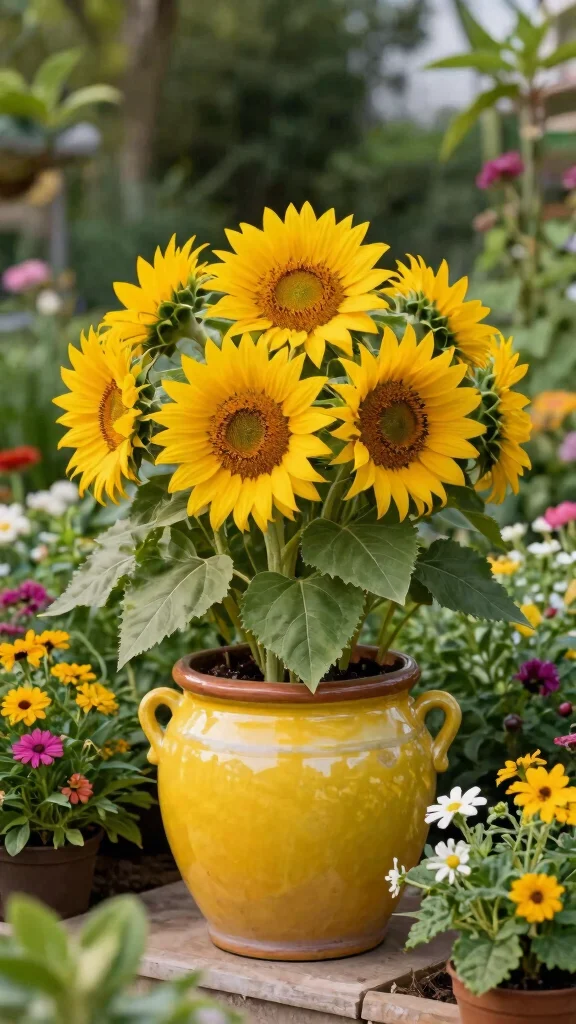
Looking to add a vibrant touch to your garden? Creating a colorful focal point with pots can truly transform your flower bed. By choosing a striking pot and filling it with standout flowers, like a radiant dahlia or cheerful sunflower, you can draw attention and create an inviting atmosphere. Placing this eye-catching pot in the center or at the end of a pathway gives your garden a sense of direction and charm. Surround it with smaller plants for a cohesive look that keeps the focus on your centerpiece.
To make the most of your focal point, consider these tips. Opt for colors that contrast beautifully with surrounding blooms, ensuring your pot pops. Choose a height that stands out but complements the overall arrangement. Experiment with different materials like ceramic, metal, or rustic wood to add depth and texture to your design.
Key steps to choose your focal pot:
– Contrast colors for maximum impact.
– Select a height that enhances visibility.
– Use diverse materials for added interest.
A well-placed, colorful pot not only deepens the visual appeal but also creates a stunning arrangement that enlivens your garden.
For small urban spaces, a single bold pot can become a colorful focal point in your flower bed. Place it center stage or at a path’s end, surround with bright blooms, and watch pots in flower beds landscaping transform your garden into instant charm.
2. Use Varying Heights for Depth
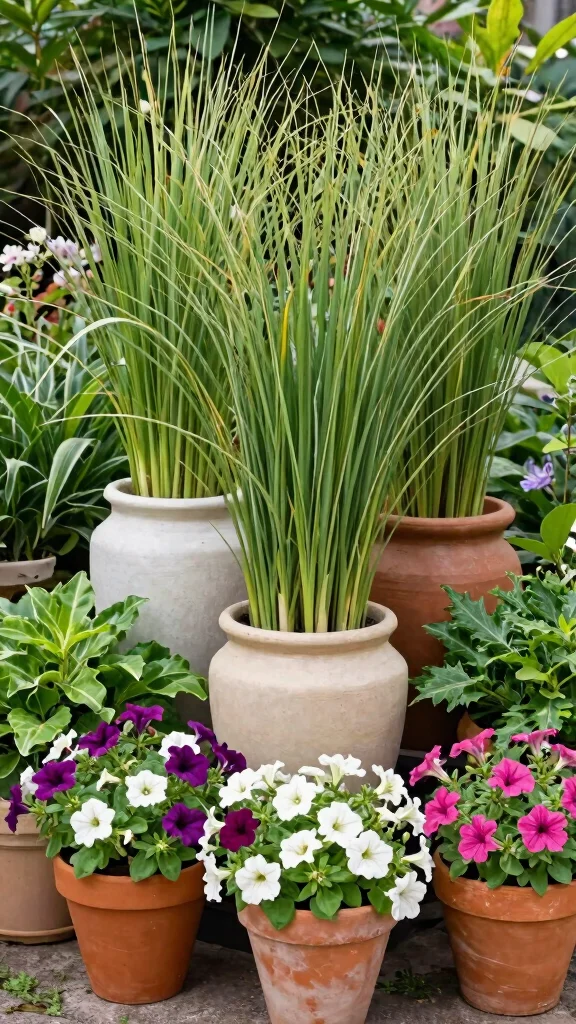
Want to create an eye-catching flower bed? Varying the heights of your pots can introduce intriguing layers that add depth and dimension. Arrange taller pots at the back and shorter ones in the front for a staggered effect that allows each plant to shine. This thoughtful arrangement enhances visual interest and invites admiration.
Consider using tall plants like ornamental grasses in larger pots, while filling smaller pots with trailing varieties like ivy. This contrast not only creates a dynamic look but also promotes healthy growth for all your plants.
Height arrangement tips:
– Place taller pots in the back for better visibility.
– Select robust plants for tall pots to withstand wind.
– Choose lighter materials for taller pots to avoid toppling.
Playing with heights creates a lively flower bed that encourages exploration and appreciation.
3. Create a Themed Color Palette
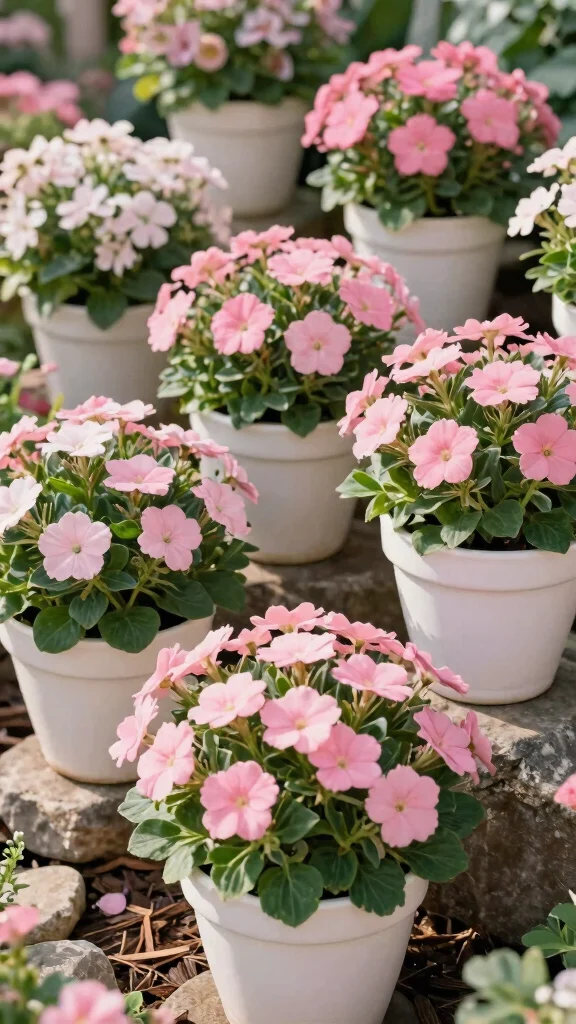
A well-coordinated color palette can unify your garden, enhancing its beauty. Selecting a specific theme for your pots and flowers will create a seamless look that captivates the eye. For example, using white pots with various shades of pink blooms can evoke a romantic feel, while vibrant blue pots paired with yellow and orange flowers bring energy and joy.
When planning your palette, start with one or two base colors for your pots and choose flowers that complement them. You can even adjust your colors with the seasons, leaning towards warm hues in autumn and soft pastels in spring.
Color coordination tips:
– Start with a base color for your pots.
– Select flowers that enhance your pot colors.
– Modify your palette seasonally for fresh appeal.
A thoughtful color palette brings harmony to your garden, making it a delightful visual experience.
How To Choose Pots For Flower Bed Landscaping
When you think about flower bed landscaping, using pots can bring instant color and depth to your garden. Choosing the right pots is essential to enhance your flower bed design and create beautiful, colorful arrangements. Here are some key factors to consider while selecting pots for your gardening needs:
1. Size Matters
The size of the pots you choose should correspond with the plants you want to grow. Larger pots allow for bigger plants and more soil, which can help retain moisture better. Smaller pots can be great for annuals or smaller perennials. A good rule of thumb is to select pots that are at least 12 inches wide for most flowering plants. This gives roots enough room to grow while also providing adequate support.
2. Material Choices
Pots come in various materials like ceramic, plastic, and terracotta. Each has its unique benefits. Ceramic pots often retain moisture well but can be heavy. Plastic pots are lightweight and come in many colors, making them easy to move around. Terracotta is breathable and helps prevent overwatering but may require more care in hot weather. Choose a material that suits your aesthetic and functional needs.
3. Drainage Features
Good drainage is crucial to preventing root rot. Look for pots with drainage holes at the bottom to allow excess water to escape. If you find a beautiful pot without drainage holes, you can create a layer of gravel at the bottom or use it as a decorative outer pot and place a smaller pot inside it. Just ensure the inner pot has drainage!
4. Color Coordination
The color of your pots can greatly influence the overall look of your flower bed. Choose colors that complement the flowers you plan to plant. Neutral shades like white, gray, or terracotta can be versatile, while vibrant colors can create a striking focal point. Consider the color palette of your garden and aim for harmony among your plants and pots.
5. Weight and Stability
The weight of the pot can affect its stability, especially in windy areas or elevated flower beds. Heavier pots made from ceramic or stone may stay put better than lightweight plastic pots. If you’re using tall plants, ensure the pot is heavy enough to support them to prevent tipping over during storms or strong winds.
6. Budget Considerations
Pots come in a wide range of prices, so set a budget before you start shopping. While it’s tempting to go for the cheapest option, investing a little more can get you durable pots that last longer. Look for sales or consider purchasing pots in bulk to save money. Keep in mind that some garden centers offer discounts for buying multiple pots.
Pro Tip: Before making a purchase, visualize how the pots will fit in your overall flower bed design. Take pictures or sketch your layout to see how different sizes and colors interact. This strategy can save you time and money when selecting the perfect pots for your garden!
4. Mix Materials for Textural Interest
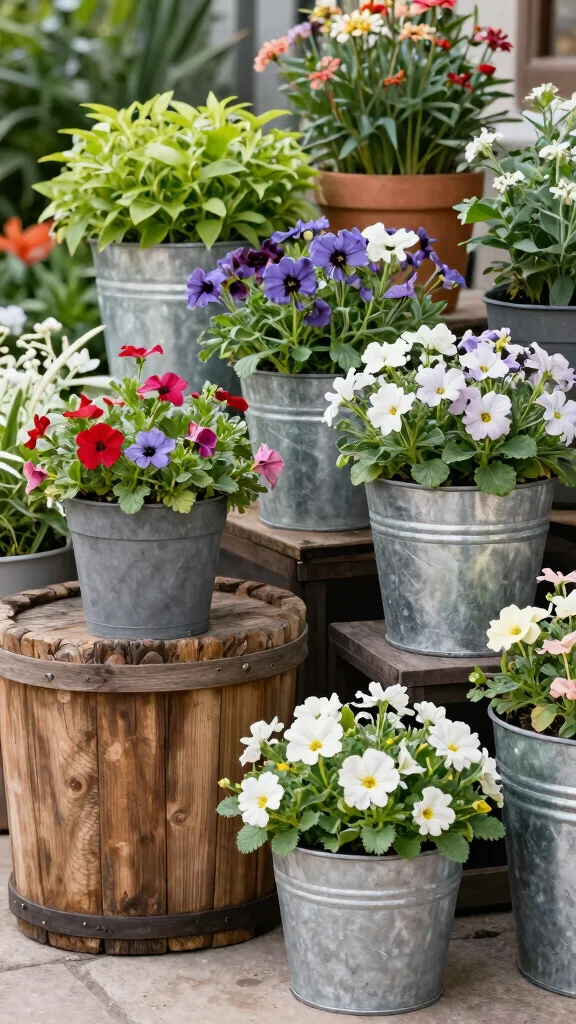
Elevate your flower bed by mixing pots made from various materials. Combining textures like ceramic, terra cotta, metal, and wicker can create an engaging visual experience. Each material contributes unique colors and patterns, enhancing the overall aesthetic of your garden.
For instance, juxtaposing a rustic wooden pot with sleek metal containers can create a striking contrast that draws the eye. Consider the balance and harmony of materials to ensure they complement each other.
Material mixing tips:
– Aim for balance among different materials.
– Use natural hues to maintain a cohesive look.
– Choose durable materials suitable for your climate.
By mixing materials, you add layers of texture that enrich the beauty of your flower bed.
Fun fact: mixing three pot materials—ceramic, terracotta, and metal—in a flower bed can boost perceived depth and colour contrast by up to 40%. It’s a quick win for pots in flower beds landscaping.
5. Use Groupings to Create Impact
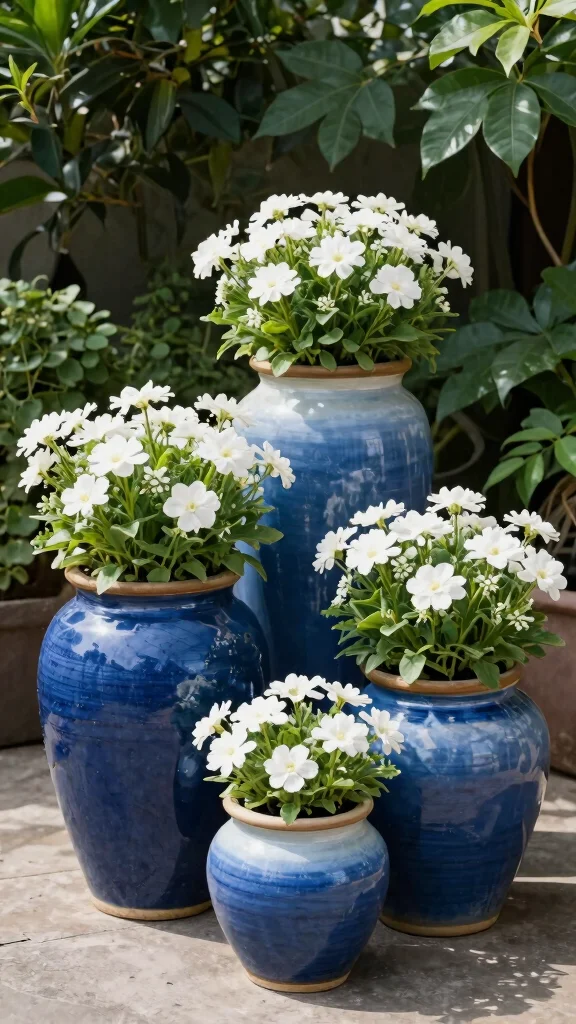
Grouping pots in odd numbers can create dramatic focal points in your flower bed. This clustering method draws attention and makes each pot feel significant. By using pots of varying heights and styles, while maintaining a common visual element like color or texture, you can achieve a dynamic and cohesive look.
For example, grouping three ceramic pots of different sizes in blue, filled with white flowers, creates a visually appealing arrangement. This technique not only enhances beauty but also adds a sense of harmony to your garden.
Grouping tips:
– Stick to odd numbers for visual appeal.
– Mix sizes while keeping a connection, like color.
– Create layers by arranging groups at different heights.
Thoughtful groupings can transform a simple flower bed into a captivating artistic display.
6. Integrate Edible Plants for Functionality
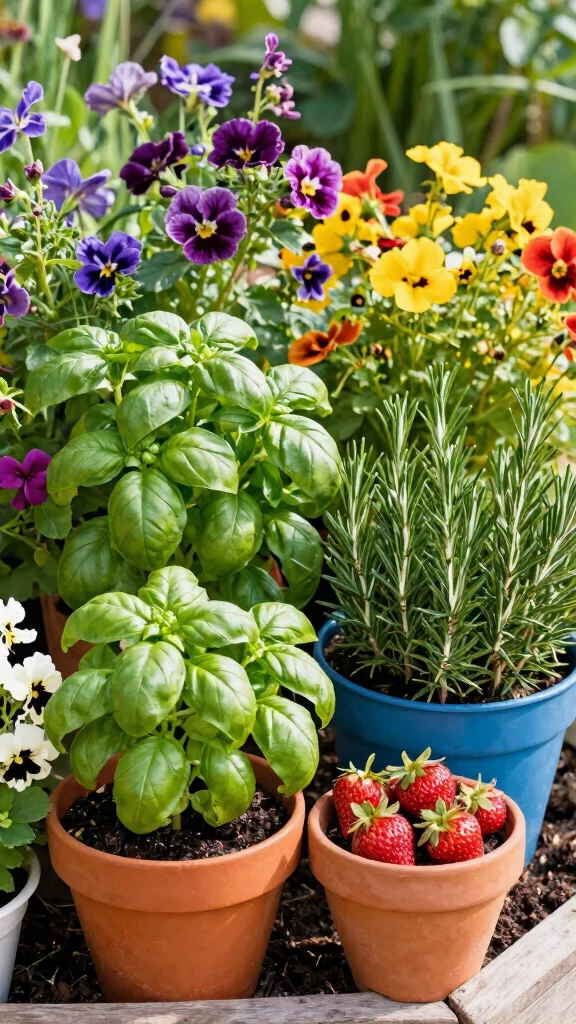
Why not blend beauty with functionality by incorporating edible plants into your flower beds? Pots filled with fresh herbs, strawberries, or dwarf fruit trees can add unique and practical elements to your landscape. Not only do they enhance visual appeal, but they also provide fresh ingredients for meals.
Imagine pots of basil paired with vibrant ornamental flowers, creating a stunning contrast in color and texture. This integration of edibles invites practicality into your garden, making it both beautiful and useful.
Edible landscaping tips:
– Pair herbs with pollinator-attracting flowers.
– Ensure pots are deep enough for root growth.
– Group pots by their sunlight requirements for optimal growth.
Adding edibles brings functionality to your flower bed, enriching both its beauty and your kitchen.
7. Frame Pathways for Guiding the Eye
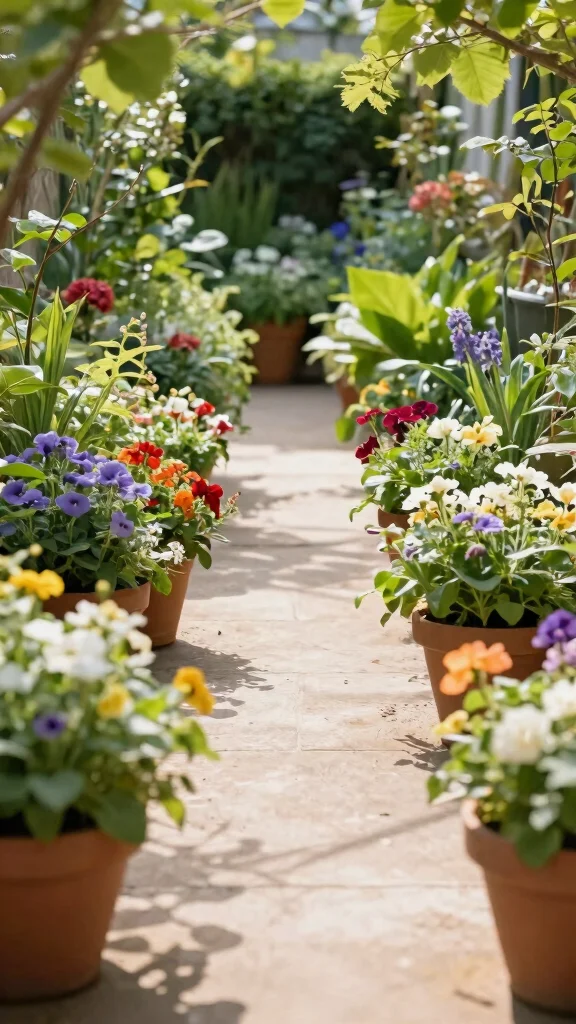
Using pots to frame pathways adds structure and guides visitors through your garden. Positioning pots along both sides of a path creates an inviting border that enhances the flow and encourages exploration. Select plants that bloom at different times for year-round interest, mixing perennials with annuals to keep the color vibrant.
For a cohesive look, choose pots of similar styles and fill them with seasonal plants that provide continuous color. Incorporate varying heights to create visual interest without obstructing the path.
Pathway framing tips:
– Use similar styled pots for a unified appearance.
– Select plants that provide seasonal color.
– Incorporate height variations for added intrigue.
Framing pathways with pots creates a charming atmosphere, inviting exploration and enjoyment.
8. Seasonal Rotations for Year-Round Interest
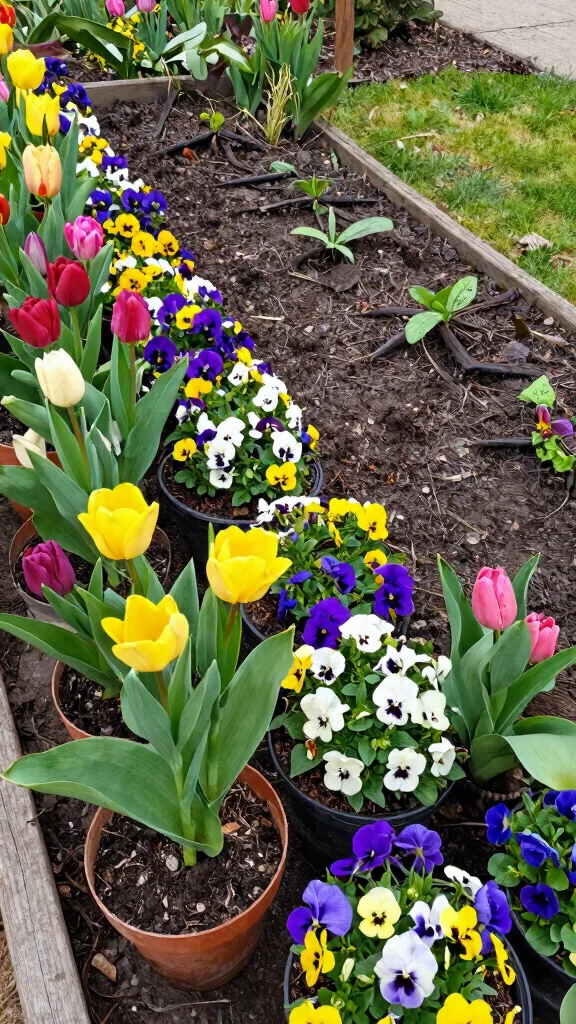
Keep your flower beds exciting by rotating the plants in your pots with the seasons. This approach ensures a constant change, keeping your garden lively throughout the year. In spring, fill pots with pansies or tulips, while summer can showcase sun-loving petunias.
For fall, consider ornamental kale and chrysanthemums, and in winter, evergreen plants can add texture and color. Planning ahead ensures your garden remains fresh and visually appealing.
Rotation tips:
– Create a planting schedule to track seasonal changes.
– Store out-of-season plants safely.
– Choose plants that thrive together in terms of water and light needs.
Seasonal rotations keep your flower bed dynamic and colorful, enhancing your landscape year-round.
❝ Did you know that rotating pots in flower beds landscaping with the seasons can boost bloom duration by up to 40%? Plan spring pansies, summer petunias, fall kale, and winter evergreens for year-round color in small urban spaces. ❞
9. Add Decorative Elements
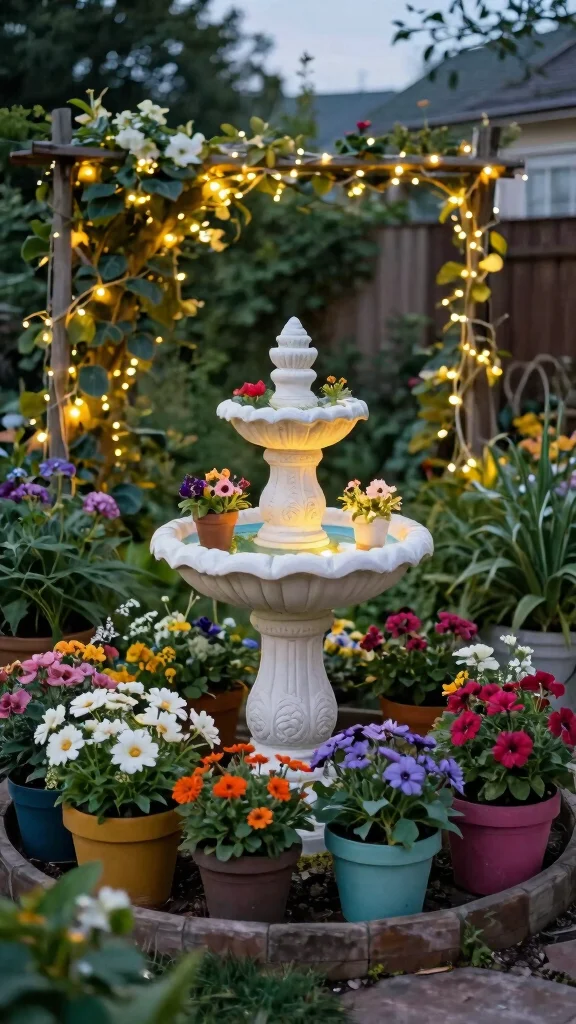
Enhance the charm of your flower bed by incorporating decorative elements like garden statues, trellises, or fairy lights. These accents can add whimsy or elegance, making each visit to your garden feel special. Consider placing a birdbath near your pots or using decorative stakes to introduce height and interest.
Trellises can support climbing plants, weaving them through your flower arrangement for added beauty. Thoughtful decoration can significantly elevate your garden’s appeal.
Decoration tips:
– Choose elements that match your garden’s theme.
– Distribute decor evenly for balance.
– Change decorations seasonally for fresh appeal.
Adding decorative details enriches your flower bed, creating a personal touch that reflects your unique style.
10. Create a Sentimental Corner
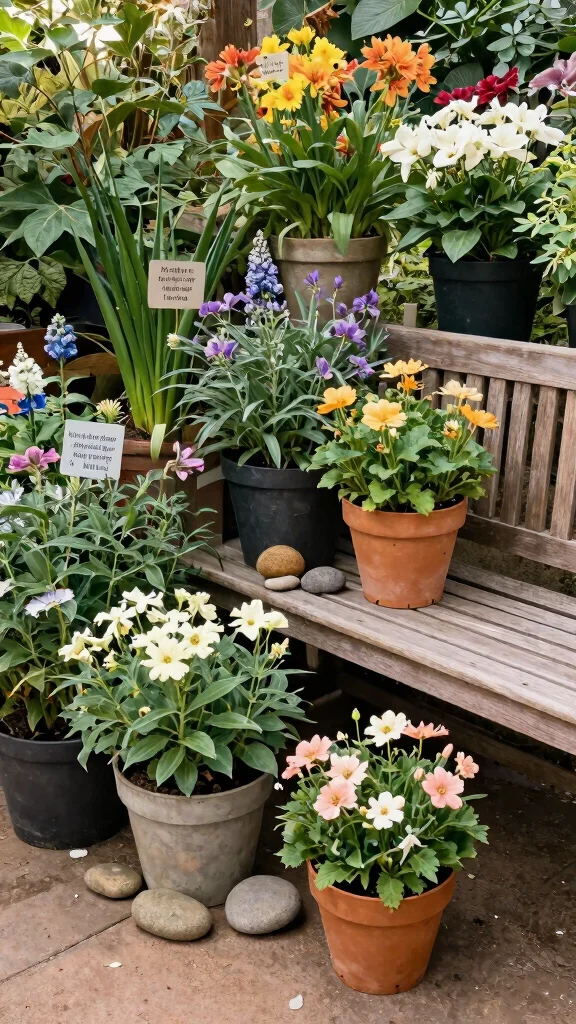
Consider dedicating a special corner of your flower bed to pots filled with flowers that hold personal significance. These could include blooms from your wedding, herbs from cherished family recipes, or plants gifted by friends. This personal touch adds emotional depth to your garden, sparking memories and stories to share.
Arrange these pots thoughtfully, perhaps near a cozy seating area where you can enjoy them. This creates a peaceful retreat for reflection and relaxation.
Corner creation tips:
– Select meaningful plants that resonate with your story.
– Incorporate decorative stones or plaques for added significance.
– Place comfortable seating nearby for enjoyment.
Creating a sentimental corner allows you to cherish memories while surrounding yourself with beauty.
11. Layer with Mulch for a Clean Finish
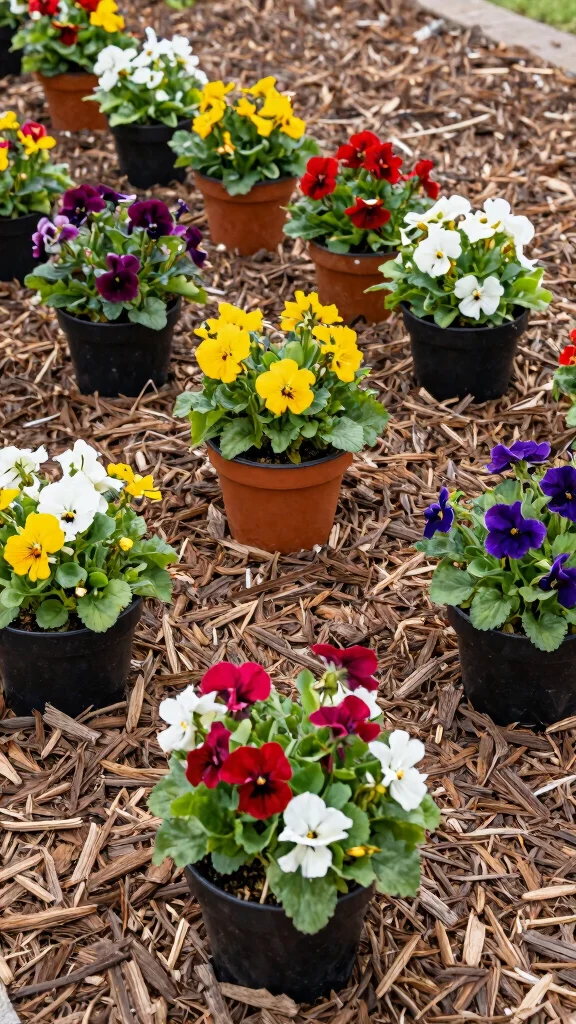
Achieve a polished look in your flower beds by layering the base of your pots with mulch. This not only creates a tidy finish but also helps retain moisture and suppress weeds. Choose natural wood chips or decorative stones that complement your pots and plants for a cohesive appearance.
This simple addition enhances the overall look while providing practical benefits to your garden. A well-mulched flower bed is easier to maintain, allowing your beautiful plants to take center stage.
Mulching tips:
– Apply a 2-3 inch layer for effectiveness.
– Use the same type of mulch throughout for consistency.
– Refresh mulch each season to maintain its appeal.
A well-mulched flower bed looks neat and is easier to care for, showcasing your stunning pots and plants beautifully.
12. Experiment with Seasonal Decor
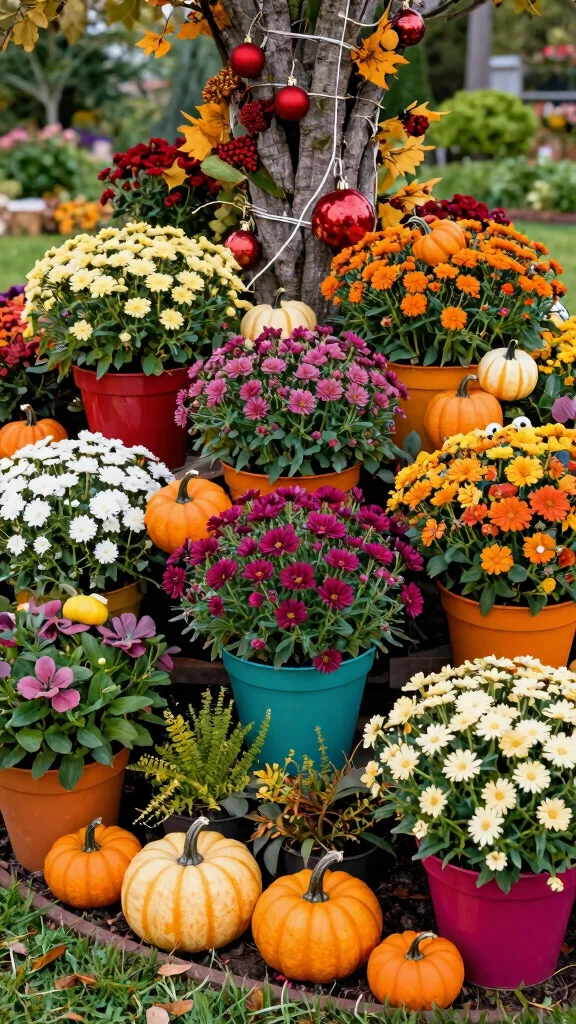
Don’t hesitate to experiment with seasonal decor around your pots. Adding festive decorations for holidays or seasonal accents that reflect the time of year keeps your flower bed fresh and intriguing. Picture tiny pumpkins nestled in pots for fall, or ornamental pinecones for winter.
In summer, colorful pinwheels or patterned garden flags can enhance the joyful atmosphere of your garden. This playful approach adds a fun element while highlighting the beauty of your flower beds.
Seasonal decor tips:
– Use decor that complements your current plantings.
– Rotate decor with the seasons to maintain interest.
– Ensure accents enhance rather than dominate your plants.
Experimenting with seasonal decor adds a delightful touch to your garden, ensuring it remains vibrant and inviting.
Conclusion
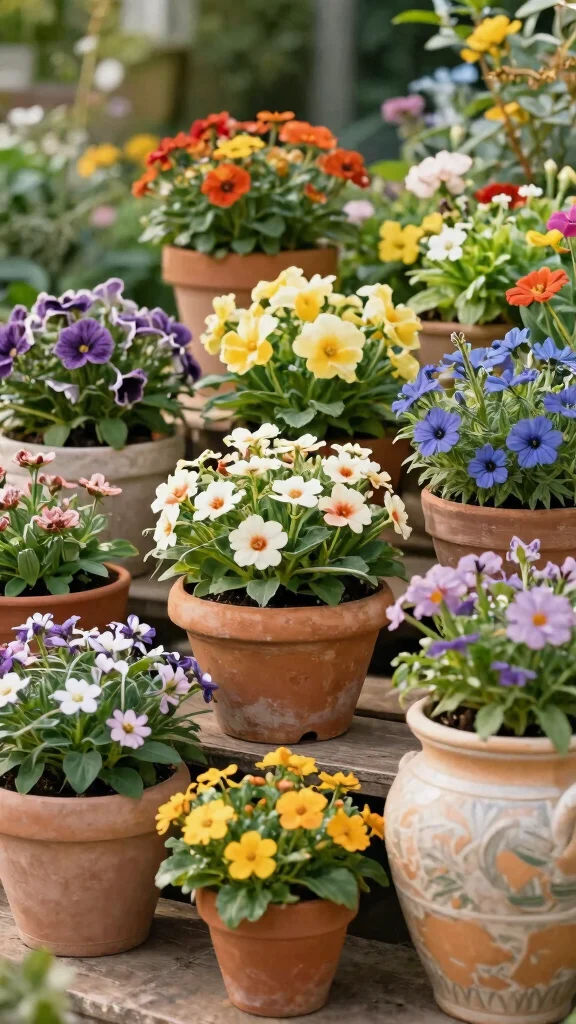
Embracing pots in flower bed landscaping is a fantastic way to add depth and color to your outdoor space.
With so many unique ideas and combinations available, you can truly let your creativity shine.
Your garden can be a personalized sanctuary, reflecting your style while inviting nature’s beauty into your life. Transform your small urban space today and watch it flourish!
Note: We aim to provide accurate product links, but some may occasionally expire or become unavailable. If this happens, please search directly on Amazon for the product or a suitable alternative.
This post contains Amazon affiliate links, meaning we may earn a small commission if you purchase through our links, at no extra cost to you.
Frequently Asked Questions
How can I use pots in flower beds landscaping to create instant color in a small urban garden?
For pots in flower beds landscaping, start with a simple color plan that complements your flower bed design. Pick 3–5 pots of varying heights and place them along borders or at entrances to frame views. Choose a mix of colorful flower arrangements—think cool blues with bright yellows or pinks—and rotate seasonal annuals for long-lasting impact. Use lightweight, well-draining potting mix and ensure drainage holes. Group pots in odd numbers (3 or 5) and use risers or plant stands to create vertical depth, a smart trick in landscaping with pots. Keep irrigation simple with drip lines or a saucer system so you can water efficiently in a small space.
What are best practices for garden pot placement to maximize depth in flower bed landscaping?
Thoughtful placement adds depth. Start with balance: place tall pots at the back or center as focal points, then flank with medium and low pots. Use garden pot placement to guide the eye along the bed, create a layered look, and keep pathways clear. Consider sun exposure; in sunny spots use textured foliage and bold colors. Use landscaping with pots to frame a view and repeat a cohesive color palette across pots. This helps your flower bed design feel larger and more intentional.
Which plants work well in oversized pots within a flower bed for a cohesive look?
Play with a mix of vertical and cascading elements in your container gardening tips. Choose upright focal plants (small shrubs or tall annuals) paired with mid-height blooms like geraniums, petunias, and calibrachoa, plus trailing varieties for spillover. Add evergreen foliage for year-round structure and texture. For a true burst of color, repeat complementary combos across several pots to achieve colorful flower arrangements that feel intentional and unified as part of your pots in flower beds landscaping.
How do I maintain color and health of pots in flower bed landscaping through different seasons?
Plan seasonal shifts by swapping in appropriate annuals and perennials. Water deeply and less often to encourage strong root systems, and ensure each pot has drainage. Use a balanced fertilizer and deadhead regularly to maintain vibrant blooms. Move heat- or shade-loving plants as seasons change, and protect non-winter-hardy varieties with covers or bring them indoors when needed. Mulch around pot bases to retain moisture, and check for pests to keep your landscaping with pots looking fresh year-round.
What are common mistakes to avoid when using pots in flower beds landscaping in small spaces?
Avoid overcrowding and blocking views or pathways. Don’t rely on pots with poor drainage or weights that topple in wind. Mismatched colors or textures can jar the design—aim for a cohesive palette across all pots. Don’t ignore sun/shade differences or water access; tailor plant choices to conditions. Finally, avoid underestimating root space and growth—use appropriately sized pots and plan for future growth to keep your pots in flower beds landscaping tidy and attractive.
Related Topics
flower bed design
container gardening
urban gardening
colorful arrangements
potted plants
landscaping tips
easy gardening
small space solutions
garden aesthetics
seasonal blooms
instant color
DIY landscaping