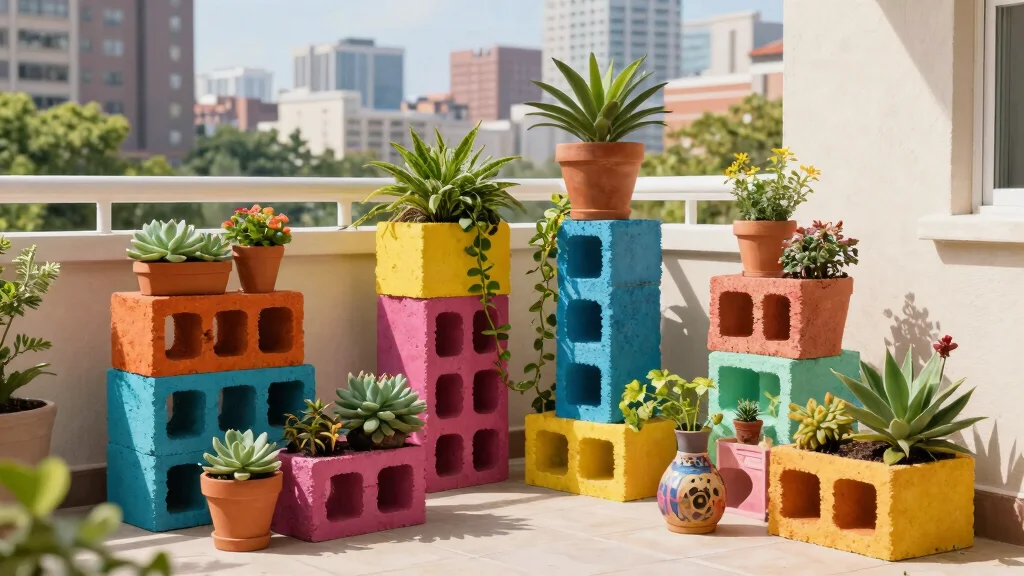
Creating a beautiful garden doesn’t have to break the bank. If you’re like me, you’ve probably been searching for ways to elevate your outdoor space without spending a fortune. That’s why I pulled together this list of 10 cinder block plant stand ideas that are not just cheap but also sturdy and surprisingly stylish. These DIY plant stands can transform your garden into a creative oasis, allowing you to showcase your favorite plants while adding a unique touch to your space.
This post is perfect for urban gardening enthusiasts who want to do more with less. Whether you’re a seasoned gardener or a beginner, you’ll find inspiration here. Cinder blocks are not only budget-friendly but also incredibly versatile. You’ll learn how to incorporate these blocks into your garden decor seamlessly, turning simple materials into stunning planter designs that add character and charm.
By the end of this guide, you’ll have a treasure trove of ideas that will help you make the most of your outdoor gardening. From minimalist designs to colorful patterns, each suggestion will help you create a garden that reflects your personal style. Let’s dive into these clever, sturdy, and budget-friendly cinder block plant stand ideas that will take your gardening game to the next level!
Key Takeaways
– Cinder blocks are an affordable and sturdy option for creating unique DIY plant stands in your garden.
– You can explore various styles, from minimalist designs to colorful painted blocks, to match your personal taste.
– Incorporating old wooden crates or creating a planter bench can enhance your garden’s functionality and aesthetic appeal.
– Creative ideas such as herb spirals and integrated water features can make your garden stand out and serve multiple purposes.
– Seasonal displays and garden art using cinder blocks add a fun and personal touch to your outdoor space.
1. Minimalist Monochrome
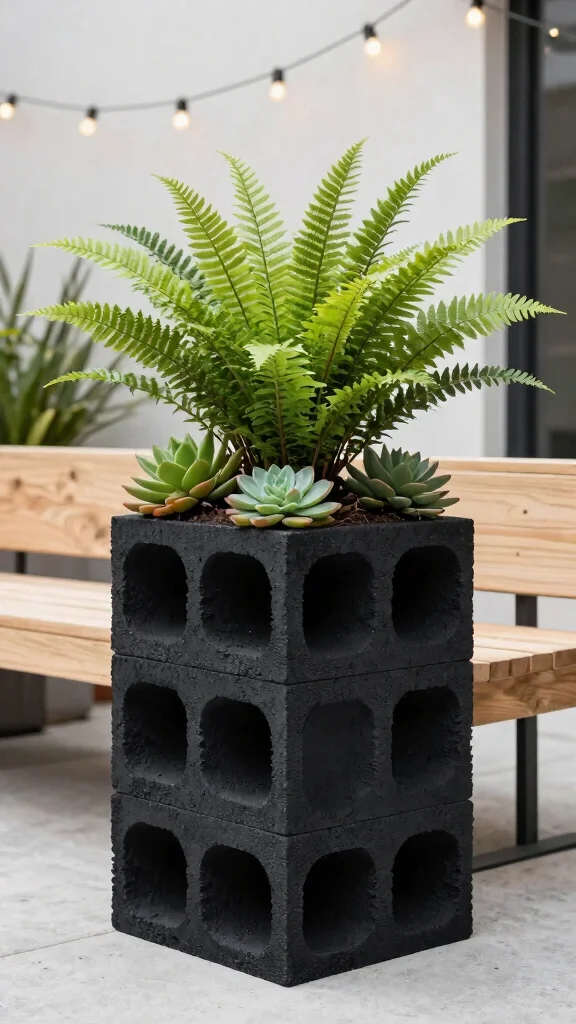
Embracing a minimalist monochrome design with cinder blocks can create a strikingly modern plant stand. Choosing a crisp black or white finish allows your greenery to shine, offering a sophisticated backdrop that highlights the beauty of your plants. Imagine vibrant greens of ferns or palm trees juxtaposed against the clean lines of the blocks, creating a tranquil yet stylish outdoor space.
To implement this design, consider arranging the blocks in a straight line or stacking them vertically for added visual interest. You can also opt for budget-friendly neutral-toned pots to maintain a cohesive look while enhancing the contemporary feel.
Consider these ideas to elevate your design:
– Pair with neutral-toned pots for a cohesive look.
– Install a light wood or metal bench to complement the blocks.
– Use outdoor fairy lights to enhance the ambiance in the evenings.
This minimalistic approach not only emphasizes your plants but also brings an artistic touch to your outdoor space, showcasing your personal style.
2. Vertical Stacking for Space Saving
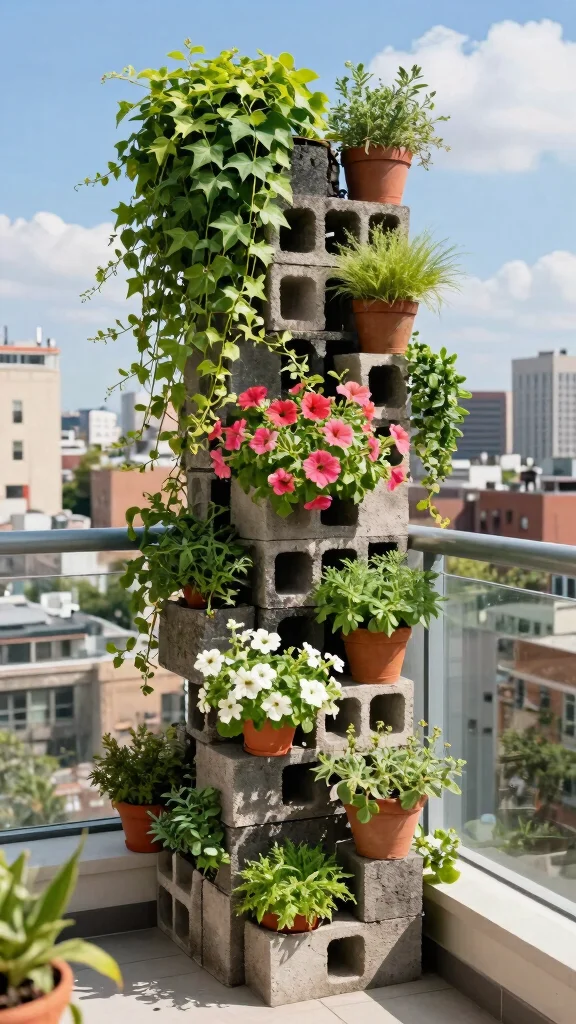
If you have a small balcony, vertical stacking with cinder blocks can be the perfect space-saving solution! By creating a tower of blocks, you maximize your planting area without taking up too much floor space, allowing you to enjoy more greenery in tight spots. Imagine trailing ivy or cascading petunias spilling down the sides, adding a lively touch to your garden.
This setup not only enhances sunlight exposure to all your plants but adds depth to your outdoor area. Secure the blocks with strong adhesive for stability and consider introducing colorful planters to brighten the overall aesthetic.
Here are some practical tips:
– Secure the blocks with a strong adhesive or mortar for stability.
– Mix in colorful planters for a pop of color.
– Regularly check the watering needs of the higher plants to ensure they stay hydrated.
This vertical design is ideal for urban dwellers eager to make the most of limited gardening space while maintaining a stylish flair.
3. Rustic Charm with Natural Finishes
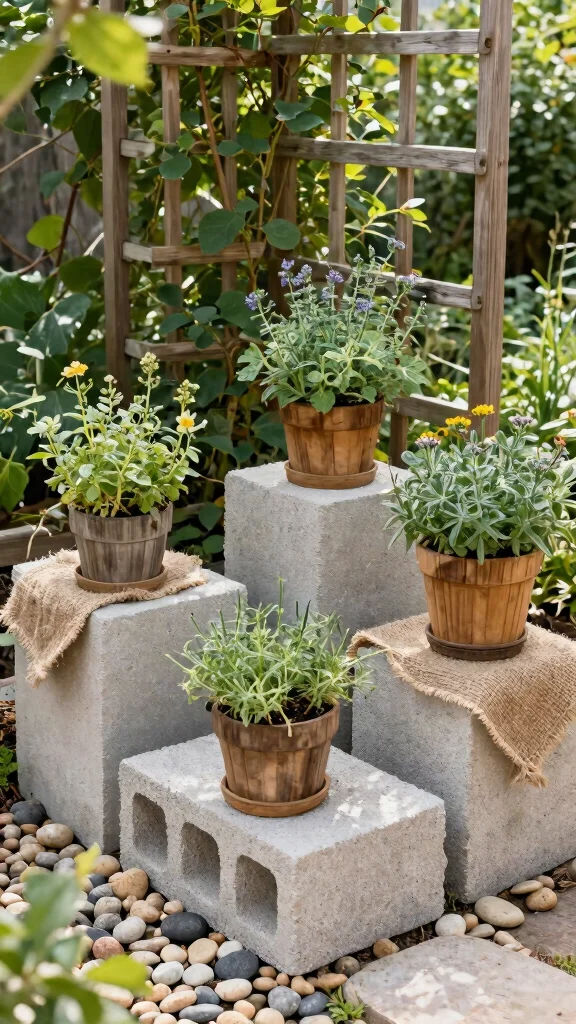
For those seeking rustic charm, leaving cinder blocks in their natural state or applying a distressed finish is a wonderful choice. This earthy aesthetic pairs beautifully with wooden plant pots and natural elements like jute, creating a warm and inviting atmosphere. Imagine arranging the blocks in a zigzag pattern filled with herbs or flowers, allowing their natural beauty to shine.
You can also enhance this setup by incorporating wooden shelves between the blocks to display smaller pots. This adds both functionality and style while creating an informal, homey feel.
Incorporate these design ideas:
– Try adding a wooden trellis behind the blocks to support climbing plants.
– Use twine or rope to create a natural divider between different plant types.
– Incorporate stones or pebbles around the base for an organic touch.
This rustic design not only complements your garden but turns it into a magical retreat, perfect for city dwellers.
4. Colorful Patterns with Painted Blocks
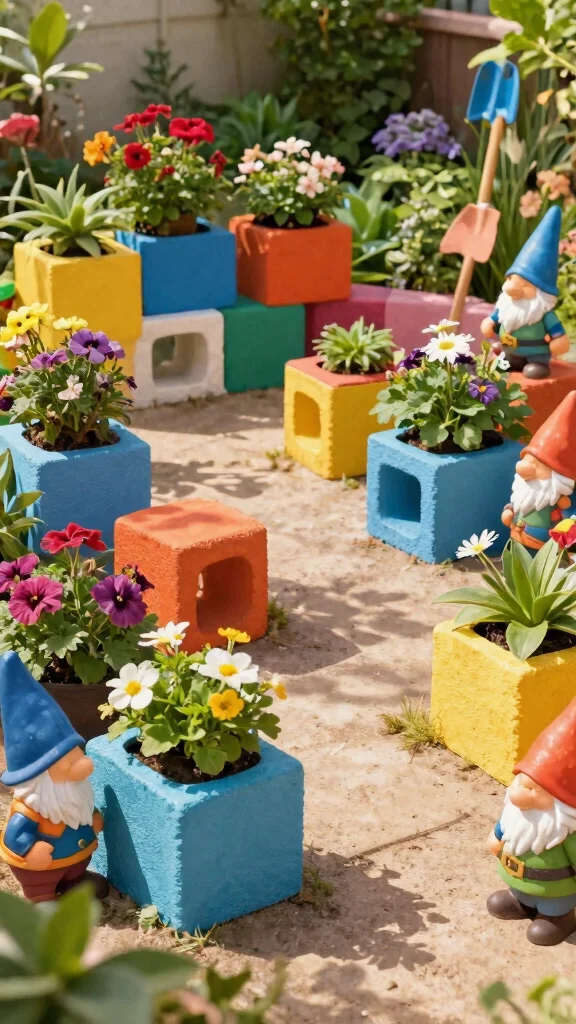
Why limit yourself to one color when a rainbow of hues is possible? Painting your cinder blocks in vibrant shades can transform them into playful art pieces that brighten your garden. Imagine stripes, polka dots, or geometric shapes creating a lively atmosphere as you fill each cavity with colorful plants that echo the palette.
This colorful project invites creativity and can be a fun family activity. Use outdoor paint for durability, ensuring that your vibrant designs withstand the elements.
Consider these fun crafting tips:
– Use outdoor paint to ensure durability against weather elements.
– Let your kids get involved in painting for a fun family project.
– Use a sealant after painting to protect your designs.
This cheerful approach adds joy and creativity to your space, making it perfect for families and plant enthusiasts alike.
5. Incorporating Old Wooden Crates
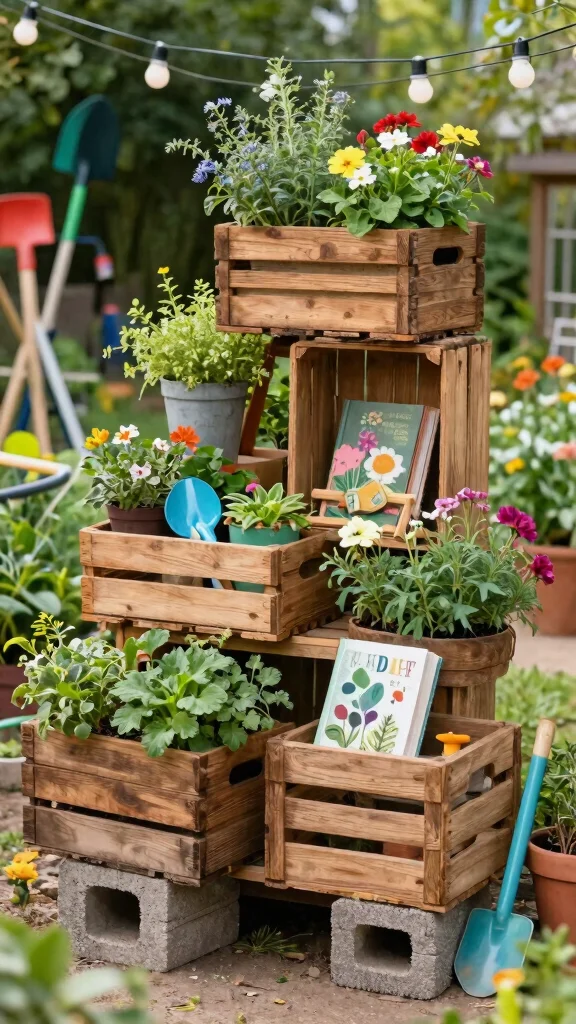
Combining old wooden crates with cinder blocks creates a stylish yet functional plant stand that exudes rustic charm. Use the sturdy blocks as a base and place crates on top to hold your plants, creating a layered effect that enhances visual interest in your garden. Imagine filling these crates with herbs or small flowers, adding a personalized touch.
You can choose crates in varying conditions for a vintage feel or paint them to complement your decor. Ensure the crates have proper drainage holes to keep your plants healthy.
Here are some planning tips:
– Ensure the crates have proper drainage holes to avoid root rot.
– Arrange the blocks and crates to create an inviting path through your garden.
– Use additional crates as side tables for drinks or tools while you garden.
This combination offers a practical yet stylish storage solution, keeping your garden organized and visually appealing.
6. Planter Bench Made from Cinder Blocks
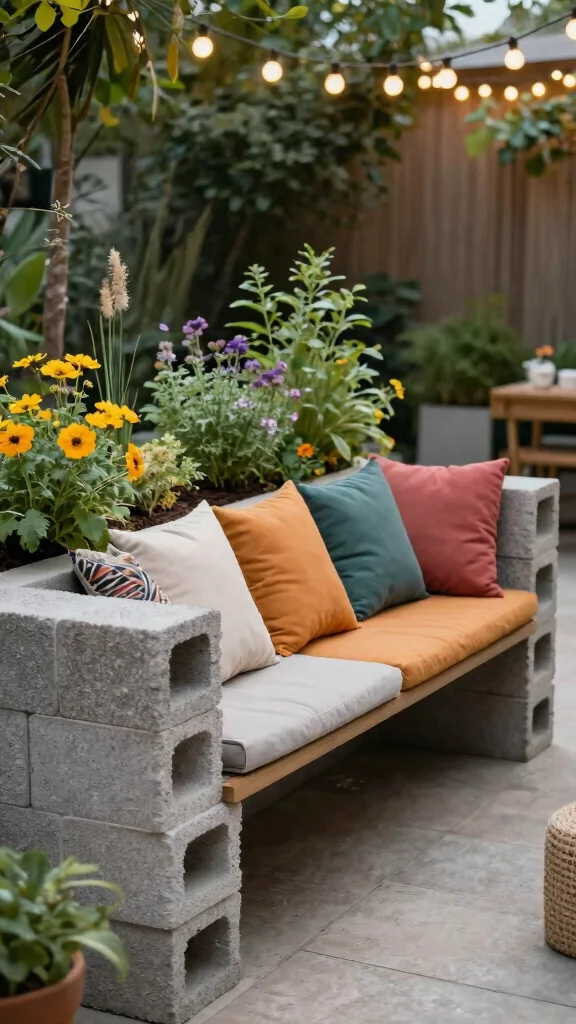
Transform your cinder blocks into a unique planter bench that combines seating and gardening in one stylish piece. Arrange the blocks in a rectangular shape, leaving space on top for cushions and plants, allowing you to enjoy the beauty of your greenery while relaxing outdoors. This design is perfect for small patios or balconies.
On one side, fill the openings with blooming plants or fragrant herbs while reserving the other side for seating. This multifunctional piece adds both charm and practicality to your space.
Keep these helpful hints in mind:
– Use weatherproof cushions to ensure durability.
– Select plants with varying heights for a dynamic appearance.
– Consider adding small side tables made from leftover blocks for extra convenience.
This creative solution adds whimsy to your gardening area while proving that functionality can be stylish.
7. Integrated Water Feature
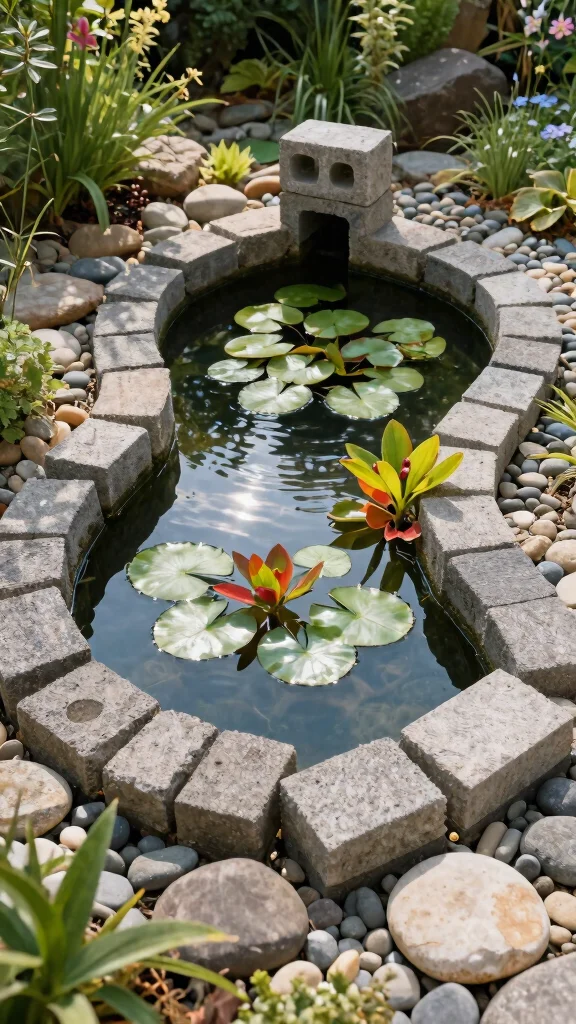
Imagine enhancing your garden with a serene water feature built from cinder blocks! This innovative idea combines gardening with a tranquil aquatic element, creating a soothing environment. You can craft a small pond or fountain structure using cinder blocks as the foundation, filling them with water and aquatic plants like water lilies.
The gentle sound of flowing water will attract birds and create a peaceful atmosphere in your outdoor space. Be sure to seal the blocks properly to prevent leaks, and consider adding a small pump for a dynamic effect.
Important considerations include:
– Ensure the blocks used for water are sealed properly to prevent leaks.
– Add a small pump to circulate water for a more dynamic effect.
– Surround the blocks with stones or pebbles to enhance the natural look.
This design sets a tranquil mood, transforming your garden into a peaceful retreat amid the hustle and bustle of city life.
Turn a simple cinder block plant stand into a serene water feature: seal the blocks, add water, and plant water lilies. The gentle flow invites birds and cools your urban garden, proving big impact can come from affordable, DIY ideas.
8. Herb Spiral Made from Cinder Blocks
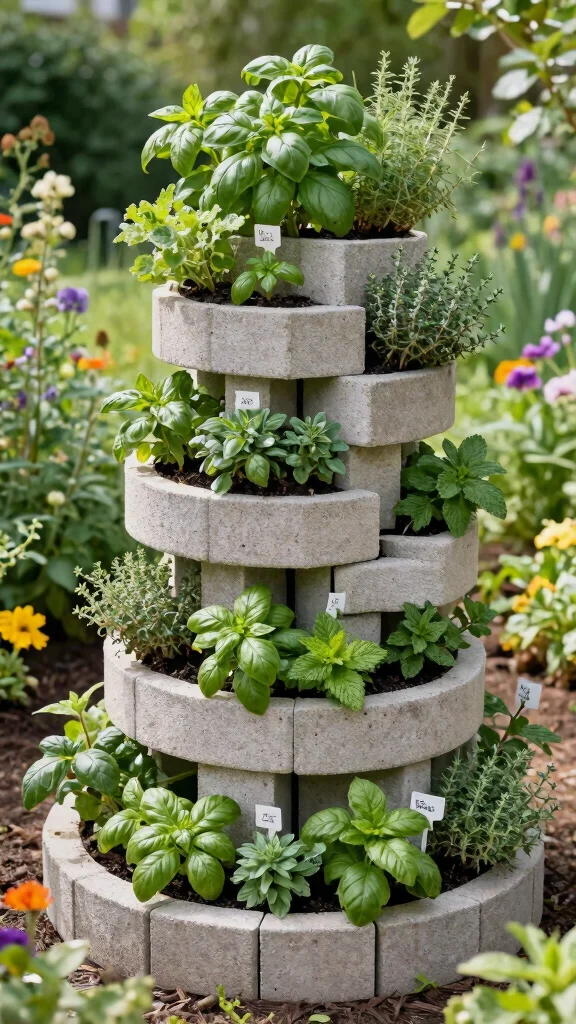
Creating an herb spiral with cinder blocks is an excellent way to grow various herbs in a compact space! By stacking the blocks in a spiral formation, you maximize both space and water efficiency while providing your plants with varying sunlight levels. Picture a beautiful arrangement of fragrant herbs, each adding its unique scent and flavor to your garden.
Not only is this design beautiful, but it also serves as an innovative gardening method, perfect for urban settings. The spiral shape allows herbs to thrive with less water, making it both functional and visually appealing.
Key benefits include:
– Herbs require less water due to the spiraled design which naturally drains excess moisture.
– The spiral shape maximizes sunlight exposure, allowing you to grow a variety of herbs.
– Besides being functional, it becomes a stunning focal point in your garden.
Creating an herb spiral brightens your space while providing fresh herbs for your culinary adventures!
Did you know a 3-tier herb spiral made from cinder blocks can double your usable growing area in just a small corner? The spiral design improves water efficiency and sunlight variety, turning a tiny urban space into a thriving cinder block plant stand for herbs.
How To Choose the Right Cinder Block Plant Stand
When you’re ready to create your own cinder block plant stand, you want to make sure you select the right materials and designs. Here are some key factors to consider when choosing your cinder blocks for this budget-friendly gardening project.
1. Block Size
Cinder blocks come in various sizes. The standard size is 16 inches long, 8 inches high, and 8 inches wide. Think about the space you have available for your plant stand. If you’re working with limited outdoor space, smaller blocks may be more suitable. On the other hand, for larger plants, you may want to opt for bigger blocks or a combination of sizes to create a multi-tiered effect.
2. Block Material
While most cinder blocks are made from concrete, some are lightweight or even hollow. Lightweight blocks are easier to move but may not support heavier pots. If you plan to have larger planters, choose solid blocks for better stability. Inspect the blocks for any cracks or chips, as these can affect their strength.
3. Design Style
Think about the aesthetic you want to achieve. A minimalist look may call for plain, unpainted blocks, while a colorful garden might benefit from painted designs. You can also consider stacking the blocks in creative patterns or integrating them with other materials like wood for a more rustic vibe. Visualize how the stand will fit into your garden’s overall theme.
4. Drainage Considerations
Proper drainage is essential for your plants’ health. Ensure that the arrangement of blocks allows for drainage holes or spaces between them. This is especially important if you’re using the cinder blocks as planters. Consider drilling holes if they don’t have any, as stagnant water can lead to root rot.
5. Budget
Cinder blocks are generally inexpensive, but you still want to keep an eye on your costs. Compare prices at local hardware stores and garden centers. Don’t forget to factor in any additional materials you may need, such as paint, sealants, or soil. Remember, a well-planned budget can help ensure you don’t overspend while creating your stylish plant stand.
6. Additional Features
Think about what extra features you want in your plant stand. Would you like added height or tiered levels for different plants? Perhaps you want to integrate a small water feature or a bench for seating. Consider how the functionality can enhance your gardening experience and choose designs that offer both style and practicality.
Pro Tip: Always sketch your design before starting! This helps visualize the final product and allows you to plan the block arrangement effectively. You’ll save time and eliminate potential mistakes along the way. Happy gardening! 🌱
9. Garden Art with Cinder Blocks
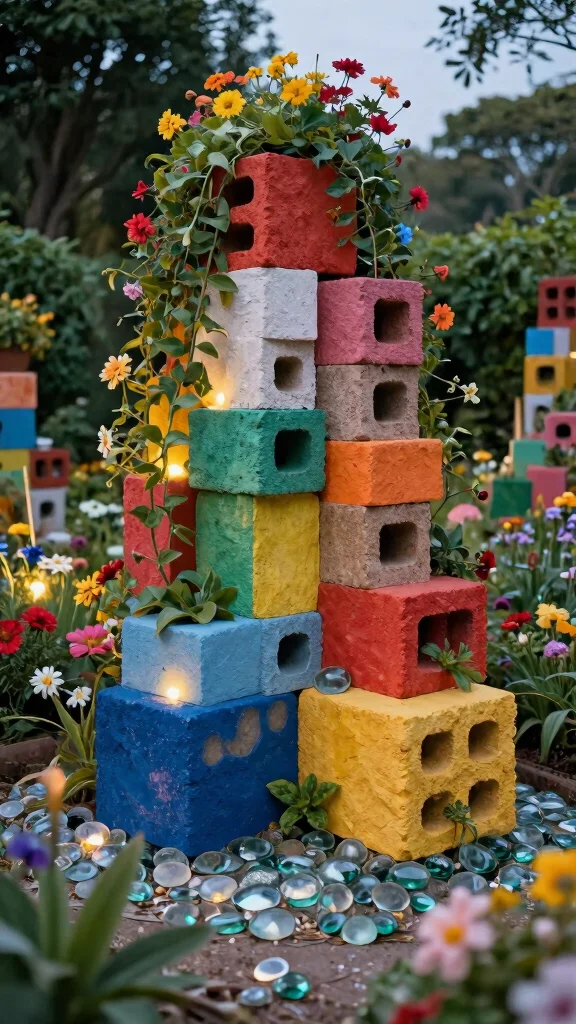
Get creative with cinder blocks by turning them into unique garden art pieces that are both decorative and functional! You can craft sculptures or murals using painted blocks, arranging them in abstract forms or whimsical designs. Imagine filling the spaces with vibrant flowers or climbing vines, softening the overall look.
This artistic approach not only beautifies your garden but also becomes a conversation starter among visitors. Using non-toxic outdoor paint ensures a bright, long-lasting finish while incorporating elements like glass or stones adds texture.
Artistic tips to consider:
– Use non-toxic outdoor paint for a brighter and longer-lasting finish.
– Incorporate other materials like glass or stones for added texture.
– Consider lighting to illuminate your art piece at night, creating an enchanting atmosphere.
This idea allows you to personalize your space and express your artistic side while being eco-friendly.
Fun fact: you can turn ordinary cinder blocks into garden art with just a can of outdoor paint, creating 4–6 eye-catching pieces that double as a cinder block plant stand. Mix colors, add vines, and watch guests ask, ‘Where did you get that?’
10. Seasonal Displays with Cinder Blocks
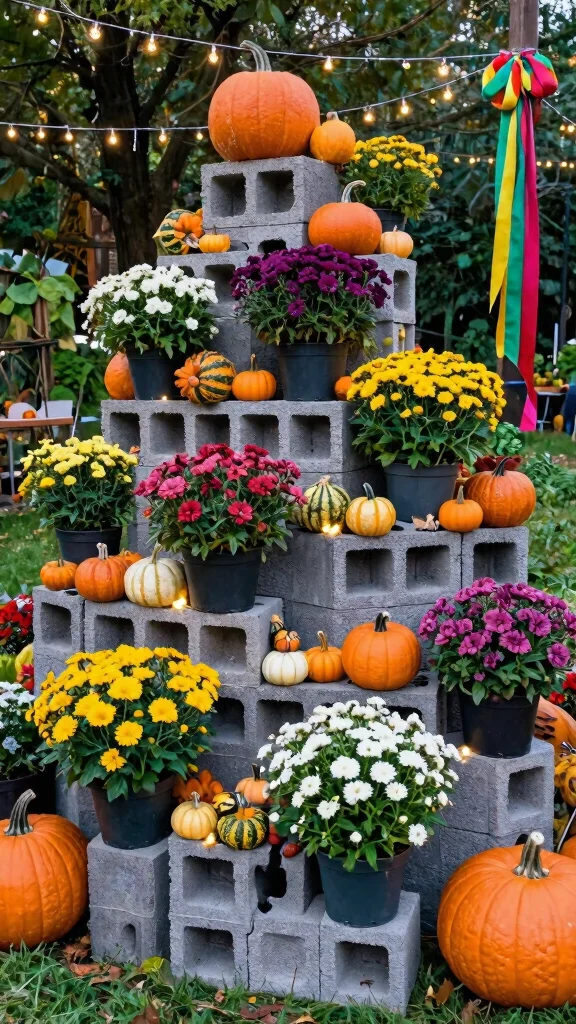
Cinder blocks can be your allies in creating seasonal displays, showcasing the best your garden has to offer year-round. Build thematic displays for each season, like pumpkins in the fall or vibrant flowers in the spring, to keep your outdoor space fresh and inviting. Envision arranging blocks in festive patterns, creating levels that enhance visual appeal.
Changing decorations based on the season allows you to keep your garden dynamic and engaging. Select seasonal plants that thrive during specific months to simplify upkeep and consider incorporating natural elements for an authentic touch.
Seasonal tips include:
– Opt for seasonal plants that thrive during specific months for easy upkeep.
– Decorate with seasonal accessories like twinkling lights for winter or colorful ribbons in summer.
– Incorporate natural elements like pinecones or dried leaves for a more authentic seasonal touch.
This approach showcases each season’s beauty, ensuring your garden remains lively and inviting throughout the year.
Conclusion
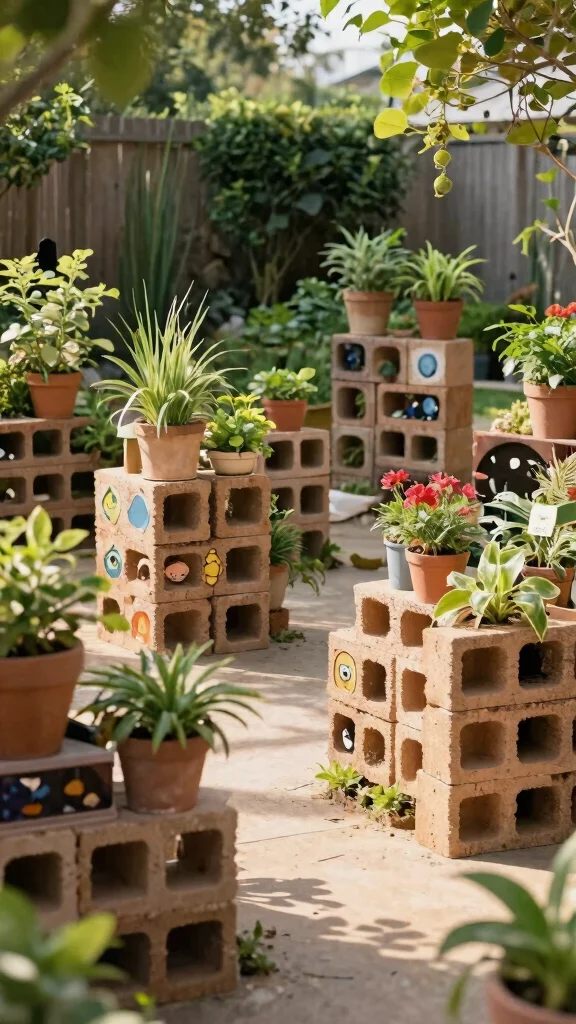
Cinder blocks are far from being just construction materials; they can be transformed into stylish and functional plant stands that enhance your gardening experience. Whether you prefer a minimalist approach, rustic charm, or creative art, there’s a cinder block idea for everyone.
These ideas not only inspire budget-friendly gardening but also allow you to express your personality and creativity in your outdoor space. So, roll up your sleeves and get started on your own cinder block plant stand project today!
Note: We aim to provide accurate product links, but some may occasionally expire or become unavailable. If this happens, please search directly on Amazon for the product or a suitable alternative.
This post contains Amazon affiliate links, meaning we may earn a small commission if you purchase through our links, at no extra cost to you.
Frequently Asked Questions
What exactly is a cinder block plant stand and why is it popular for urban gardening?
A cinder block plant stand is a versatile, budget friendly way to elevate plants using hollow concrete blocks. It’s popular in urban gardening because blocks are cheap, sturdy, and stackable, letting you create vertical shelves or low tables that fit small balconies or patios. With a DIY plant stands approach, you can tailor height, footprint, and style, all while keeping costs down — a perfect fit for budget-friendly gardening and outdoor gardening ideas.
How can I build a cheap, sturdy cinder block plant stand for outdoor use?
Start with a simple plan: decide the height and footprint, then pick your blocks. Arrange a base layer in a stable pattern to create a platform. Add layers to reach your desired height, leaving hollow cores to insert wooden shelves or boards across gaps. Secure the assembly with outdoor grade adhesive or mortar for extra stability, and seal or paint the blocks to protect against weather. Finish with a weatherproof top plank for placing pots. This is a budget-friendly gardening project that yields a sturdy cinder block plant stand for outdoor spaces.
What design ideas exist for creating stylish cinder block plant stands on a budget?
Get creative without breaking the bank: paint blocks in bold colors, stack blocks in a staggered grid for a modern look, add wooden shelves across openings, place a plywood top for a clean surface, attach wheels or casters for mobility, and mix with metal brackets or planters of varying heights for a dynamic display. These options reflect creative planter designs and DIY plant stands that keep budget-friendly gardening at the forefront.
How do I keep a cinder block plant stand sturdy and safe for heavy pots?
Think weight distribution, a level base, and proper anchoring. Start with a stable layout on a flat surface, then consider adding a bottom row or a reinforced top plank. If you expect heavy pots, you can insert rebar through the hollow cores or bolt the stand to a wall or fence. Use outdoor-grade glue or mortar where needed, and avoid overloading the top with too many heavy pots. This helps ensure a strong cinder block plant stand for years of use.
What maintenance tips help outdoor cinder block plant stands last longer?
Keep your cinder block plant stand looking good by sealing blocks with an outdoor sealer, repainting every season, and cleaning dirt and algae regularly. Check for loose blocks or shifted foundations after heavy rain, ensure good drainage for pots, and store blocks or move indoors during harsh winter weather if possible. A little upkeep goes a long way in outdoor gardening ideas and budget-friendly gardening.
Related Topics
cinder block plant stand
DIY plant stands
outdoor gardening
budget-friendly gardening
sturdy garden decor
creative planter designs
urban gardening
easy gardening projects
minimalist garden decor
space-saving solutions
beginner friendly
affordable garden ideas